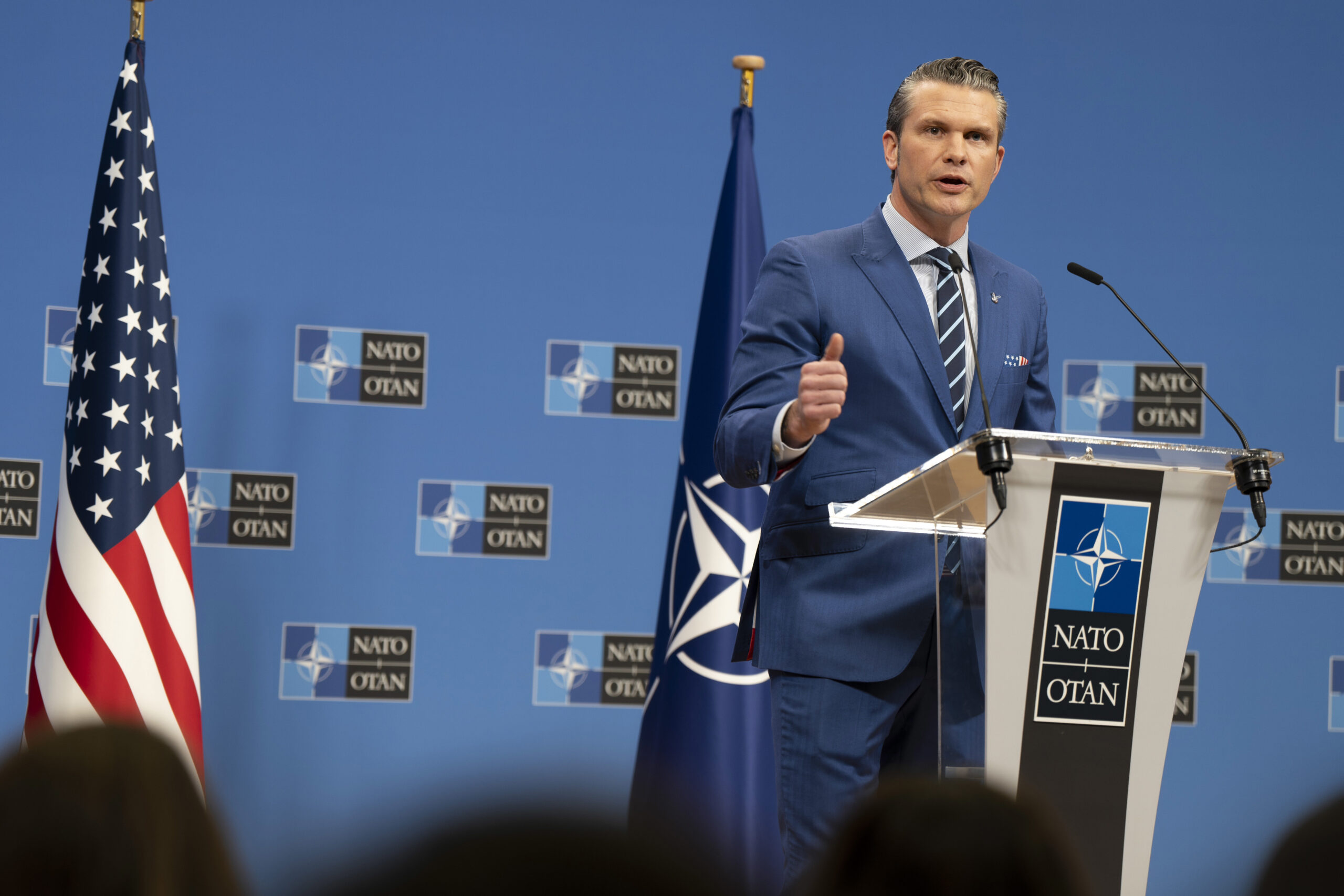
War Secretary Pete Hegseth dropped a thunderbolt on NATO’s doorstep this week, announcing a comprehensive review of U.S. troop deployments in Europe and taking sharp aim at so-called “allies” who still refuse to pay their fair share for their own defense.
His message in Brussels was clear — America will no longer bankroll Europe’s security while others sit comfortably on the sidelines.
Speaking before a gathering of European defense ministers, Hegseth outlined a six-month review process that will evaluate not just troop counts, but also the deeper strategic posture of U.S. forces across the continent.
The review will consult with Congress, which has mandates for minimum troop levels in Europe, but Hegseth made it plain this is about accountability, not bureaucracy.
“Make no mistake about it, this will be a real review,” Hegseth told NATO ministers.
“It will ensure that NATO is moving fast and irreversibly toward Europe leading, stepping up to take primary responsibility for the defense of Europe.” To many, that sounded like the end of the decades-old European dependence on U.S. muscle.
The bold move comes as NATO grapples with shrinking U.S. contributions to its so-called crisis forces.
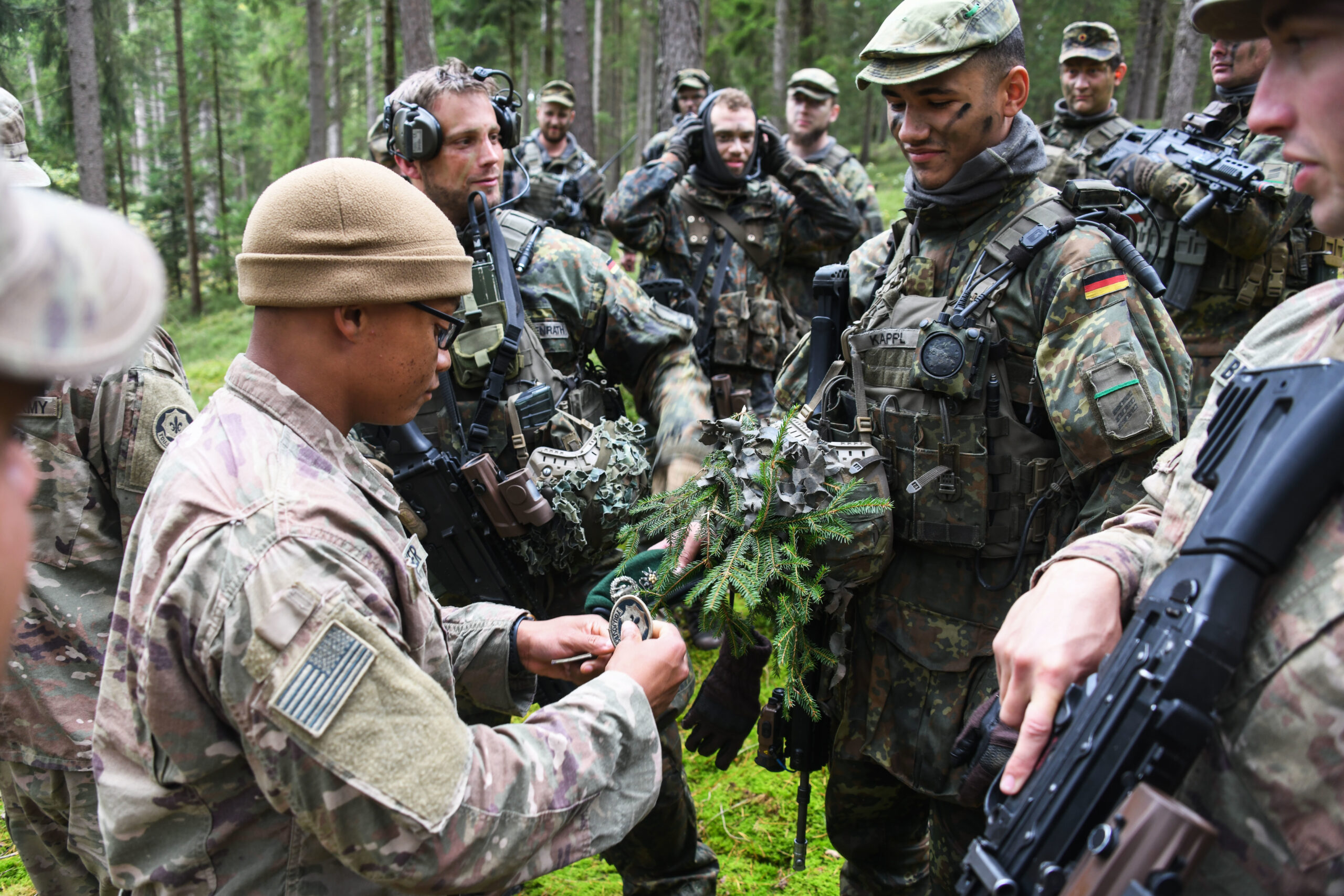
Washington recently notified allies that it would scale back certain assets previously available for NATO emergency deployments, including fighter jets, drones, and refueling aircraft.
The reason, according to U.S. commanders, is simple: America must prepare for multiple potential war fronts at once, not just defend countries that won’t defend themselves.
NATO’s top U.S. commander, Air Force Gen. Alexus Grynkewich, called the move part of reducing Europe’s “unhealthy co-dependence” on U.S. capabilities. Translation: time to grow up and shoulder the load.
Hegseth, who embodies the unapologetic America First spirit of President Trump, did not mince words about freeloading allies. “Some still need to do more, and we will be candid about that — both in private and in public,” he said.
“Friends need to be honest with friends.”
The War Secretary blasted certain members for stonewalling U.S. operations during the war with Iran, noting that several nations refused basing and overflight rights when American forces needed them most.
“This review,” Hegseth declared, “will ensure those rights are guaranteed moving forward.” He added that NATO’s next evolution — “NATO 3.0” — must be a “real hardline military alliance” capable of defending Europe without hiding behind U.S. forces as the first and only responders.
NATO’s civilian leadership, including recently promoted Secretary General Mark Rutte, confirmed that U.S. force reductions had already taken effect.
“The question yesterday came up: Is this immediate or not? It is immediate,” Rutte admitted.
Still, he tried to soothe tensions, claiming that in the event of war, every ally — including America — would “max out” support.
European ministers scrambled to save face, rushing out promises to plug the gaps created by reduced U.S. assets.
Belgium’s Defense Minister Theo Francken pledged additional F-16s and MQ-9B drones to NATO’s crisis forces, saying, “There will be heavy discussions on who is doing what, but Belgium is contributing.”
The question is whether that commitment will hold, or if it’s just European politeness masking panic.
Germany’s Defense Minister Boris Pistorius voiced the typical European hesitancy, warning that a quick U.S. drawdown could create “dangerous capability gaps.”
He pleaded for “stop-gap solutions” or “more time” before any withdrawal, acknowledging that many European militaries simply don’t possess the hardware to fill the void left by the U.S. deep strike, refueling, and surveillance assets.
Meanwhile, insider sources revealed the hard numbers: U.S. contributions to NATO’s airborne power are taking a noticeable hit.
The number of F-15 and F-15E fighters available to NATO will reportedly shrink by a third, while U.S. MQ-4 and MQ-9 drones available to the alliance will be cut in half. For those still clinging to the illusion that America’s commitment is infinite, the signal couldn’t be clearer.
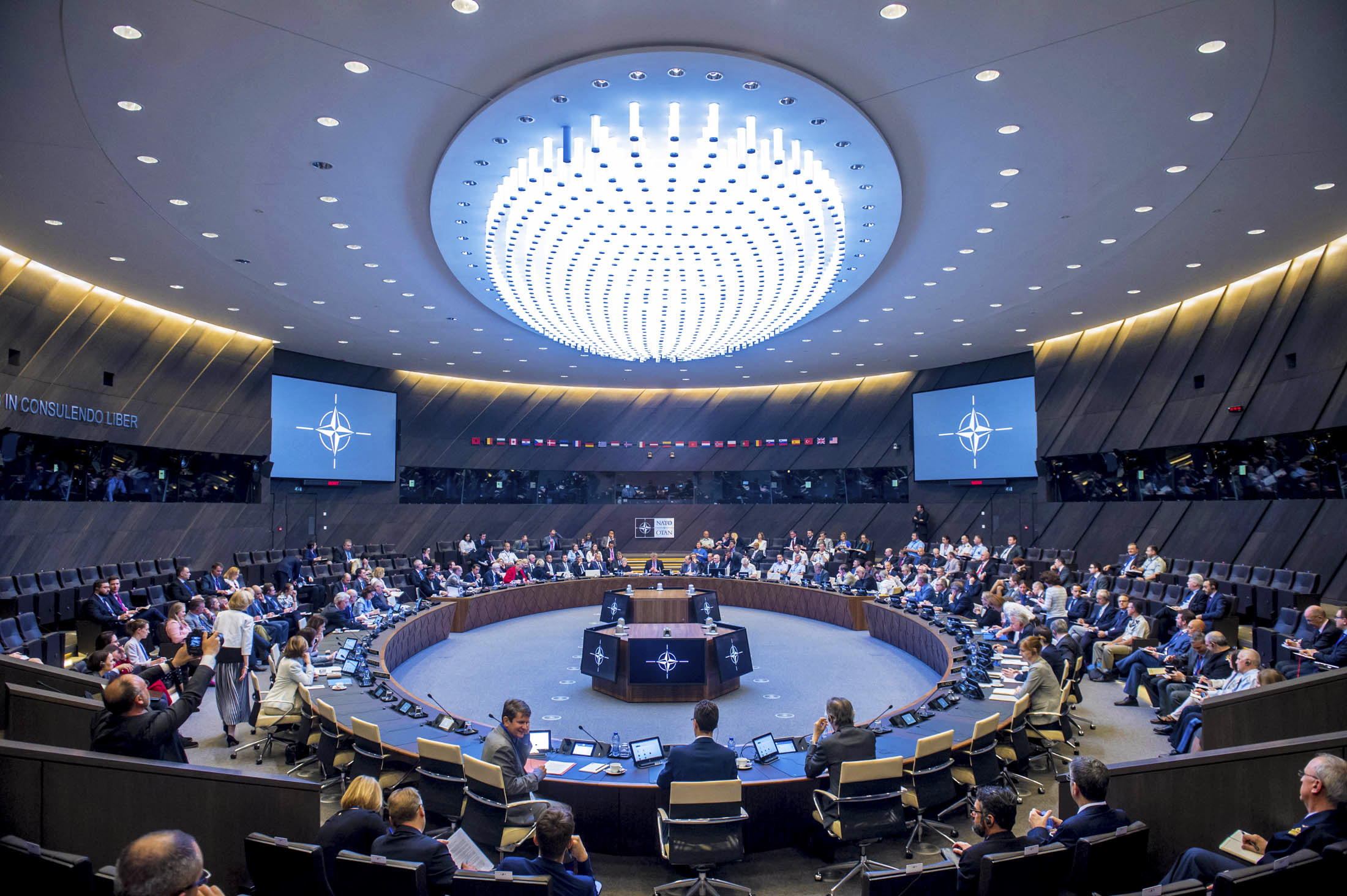
The review also comes as NATO prepares for a major summit in Ankara this July, where Hegseth is expected to lead U.S. demands for hard commitments — not lofty declarations — from European partners.
The War Secretary’s core premise is brutally simple: Europe must defend Europe. Washington will remain a leader, but not a crutch.
Critics in Europe see the move as heavy-handed, but for millions of patriotic Americans, it’s long overdue.
After decades of watching America pick up the tab while European capitals moralized about spending caps, Hegseth’s approach marks a shift back to realism and strength.
The message is very much in the Trump mold: if you want protection, invest in defense; if not, don’t expect endless U.S. subsidies.
While some European elites grumble that Hegseth’s rhetoric is “too blunt,” the War Secretary’s stance resonates deeply with the grassroots base at home — veterans, families, and taxpayers who’ve shouldered the cost of Europe’s comfort for generations.
They see in Hegseth a leader unafraid to call freeloading what it is, and unapologetic about putting America’s security first.