The U.S. Army’s 25th Infantry Division, famously known as the “Tropic Lightning” Division, is turning heads yet again as it fine-tunes its transformation strategy following extensive joint exercises in the Philippines.
Under the hard-charging leadership of Maj. Gen. James Bartholomees, this Pacific powerhouse is not just keeping pace with modernization—it’s setting the standard.
During an in-depth discussion while deployed for exercises Balikatan and Salaknib, Bartholomees described how his division’s continuous transformation is reshaping the Army’s posture across the Indo-Pacific.
Four of the division’s five brigades have already undergone sweeping changes as part of its status as one of the original “Transformation in Contact” divisions.
The next in line is the 25th Combat Aviation Brigade, or CAB, which is gearing up for its own modernization.
“The Gray Eagle company that was in Alaska is going to move to Hawaii,” Bartholomees explained. “As the Army determines what larger-class unmanned aerial systems it will use, they’ll land in the CAB.” His focus, he added, is on extending reach, precision, and adaptability.
Bartholomees underscored the vital role of long-range drones in strengthening the Army’s Pacific posture.
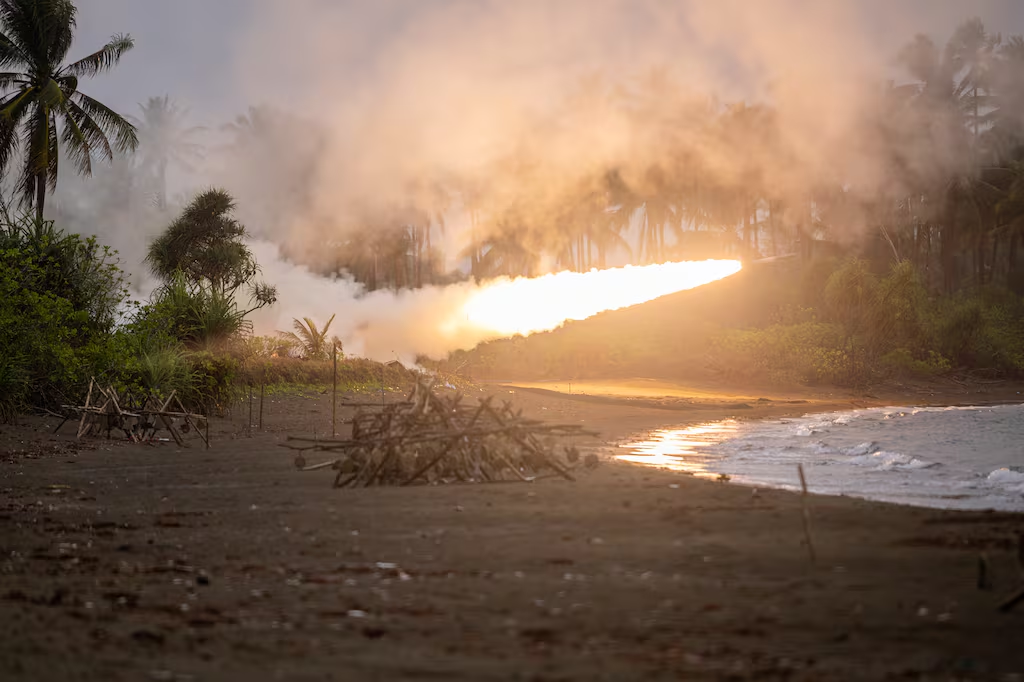
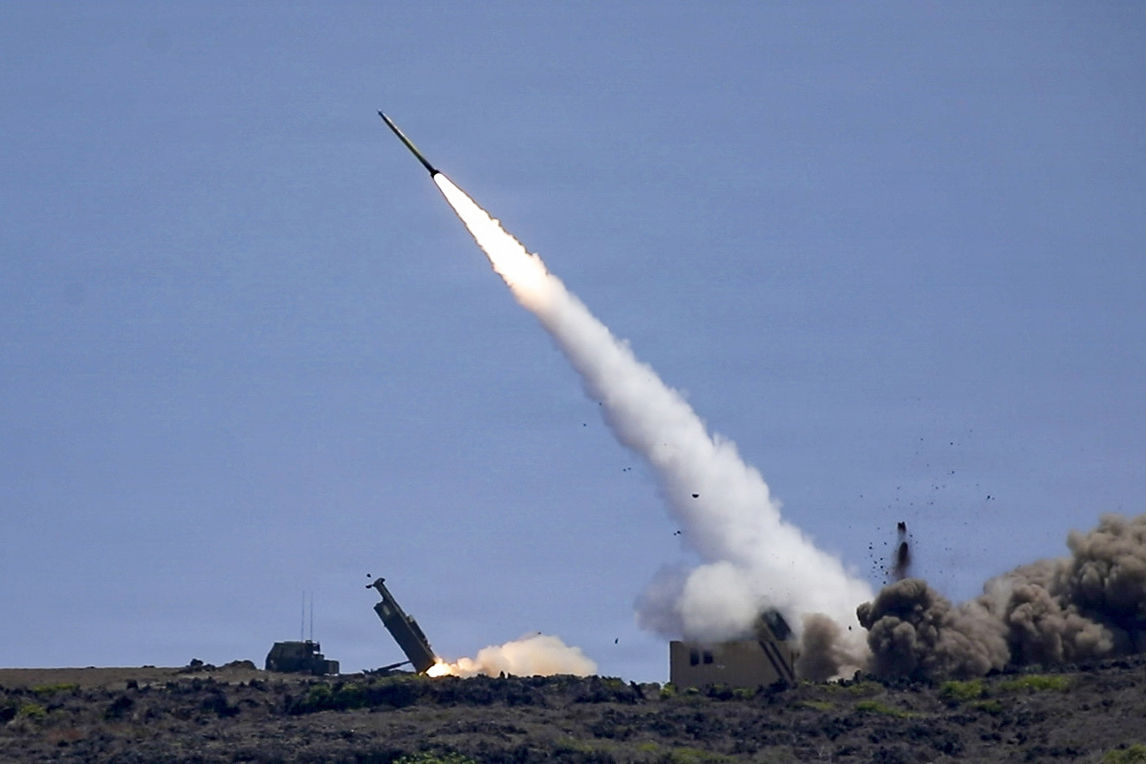
“Longer-range drones are essential to support the ranges that we can now shoot out to, particularly with HIMARS,” he said, referring to the High Mobility Artillery Rocket System that has already joined the ranks of the 25th ID.
The inclusion of HIMARS has given the division unprecedented reach and striking power compared to its previous towed howitzers, the M777 and M119.
Because of HIMARS, Bartholomees said his division artillery “is really what transformed the most.”
That transformation was vividly demonstrated during the Philippine exercises, with the 25th ID performing HIMARS infiltrations across the Luzon Strait islands.
These wargames were not just symbolic joint exercises—they were live labs for testing new tactics, apps, and warfighting technologies.
The general emphasized the Army’s shift away from hardware locked in decades-long procurement cycles toward flexibility and speed of innovation.
“The Army wants maximum flexibility in new technologies, drones, counter-drones, electronic warfare, software-enabled technologies,” Bartholomees said. “You don’t want to be stuck with a program of record that’s obsolete before you even field it.”
That hands-on, get-it-done mindset is something both President Trump and War Secretary Pete Hegseth have championed across the entire War Department.
Bartholomees’ approach reflects a broader Pentagon-wide initiative to prioritize mobility, lethality, and modernized command systems without the bureaucratic drag that has too often slowed progress in the past.
Among the tools driving this transformation is the Infantry Squad Vehicle, a nimble, lightweight transport platform hailed by troops on the ground. According to Bartholomees, it makes his soldiers “more lethal, light and mobile.”
He made it clear that his goal is to shed unnecessary bulk—“Infantry brigades had too much stuff, too many vehicles, they were too unwieldy,” he said. Streamlining gear has made the 25th more agile and combat-ready.
Bartholomees praised the Balikatan and Salaknib exercises as crucial proving grounds. “You don’t really know if your equipment or formations are going to work until you operate with them in these environments,” he said.

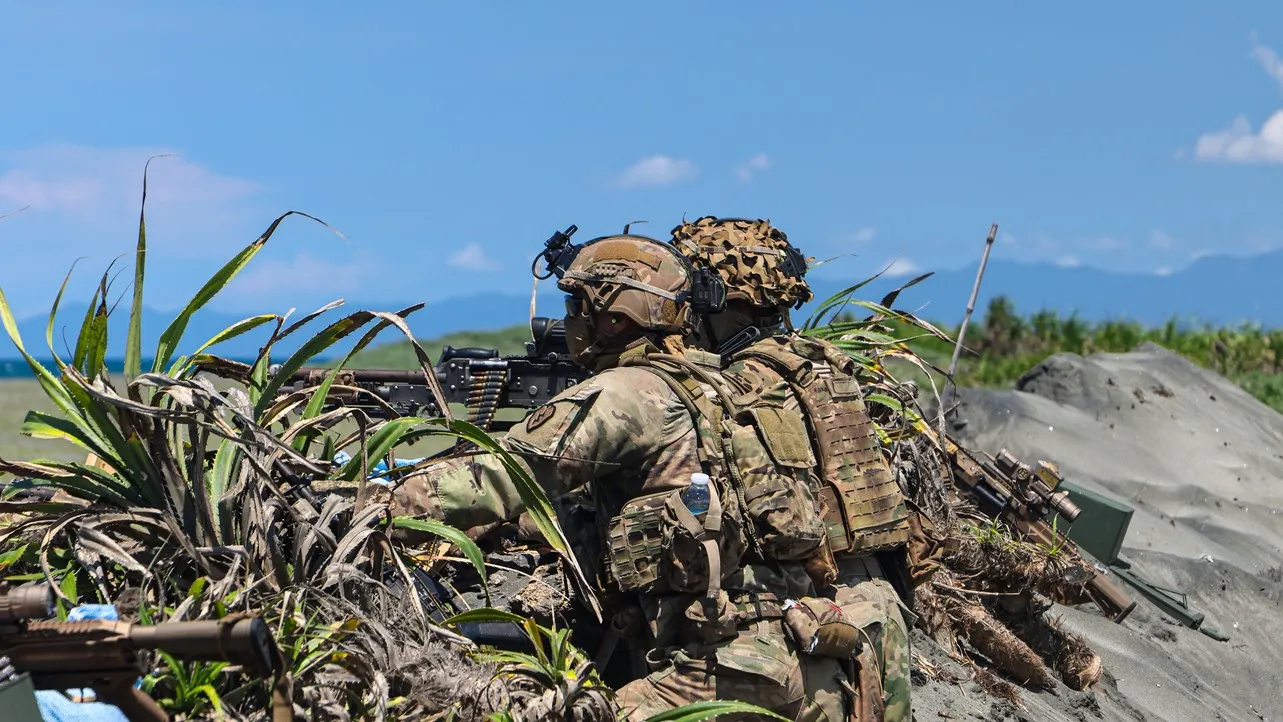
In the humid jungles and rugged terrain of the Philippines, the division validated a host of emerging capabilities, from advanced communications systems to 3D-printed sustainment parts.
The 25th is also pushing hard on electronic warfare innovation, distributing EW capabilities throughout frontline units rather than isolating them at the headquarters level.
This “democratization” of modern combat tech allows smaller formations to jam, detect, and counter enemy signals in real time—a clear advantage on a modern battlefield.
At the same time, 25th ID is pioneering Next-Generation Command and Control, which means moving toward smaller, software-driven systems that are both more efficient and more adaptable.
“We’re one of two divisions in the U.S. Army that’s conducting what’s called Next-Generation Command and Control,” Bartholomees said. This focus on smart, software-enabled warfare signals a major cultural shift inside the Army.
Logistics have also seen innovation through the Forge, a forward-deployed 3D printing capability allowing soldiers to manufacture parts in the field instead of waiting for shipment from the mainland.
“The Forge is helping to thicken our sustainment lines by creating capability, creating parts and manufacturing forward where we can,” he explained.
As Bartholomees put it, the 25th is “literally transforming all the time.”
He acknowledged that transformation must be done with discipline and focus, but made no apologies for the pace. On the front line of American power projection in Asia, there’s no room for complacency.
The “Tropic Lightning” soldiers are embracing a future where adaptability and speed are the ultimate weapons.
From longer-range fires to battlefield fabrication, the 25th Division isn’t just preparing for the next fight—it’s defining it.