The U.S. Air Force is implementing a pair of long-anticipated uniform updates — one reinforcing the faith-first identity of military chaplains and another offering more practical uniform options for expectant servicewomen.
Both moves signal cultural adjustments in the force under new direction from the War Department and Secretary of War Pete Hegseth.
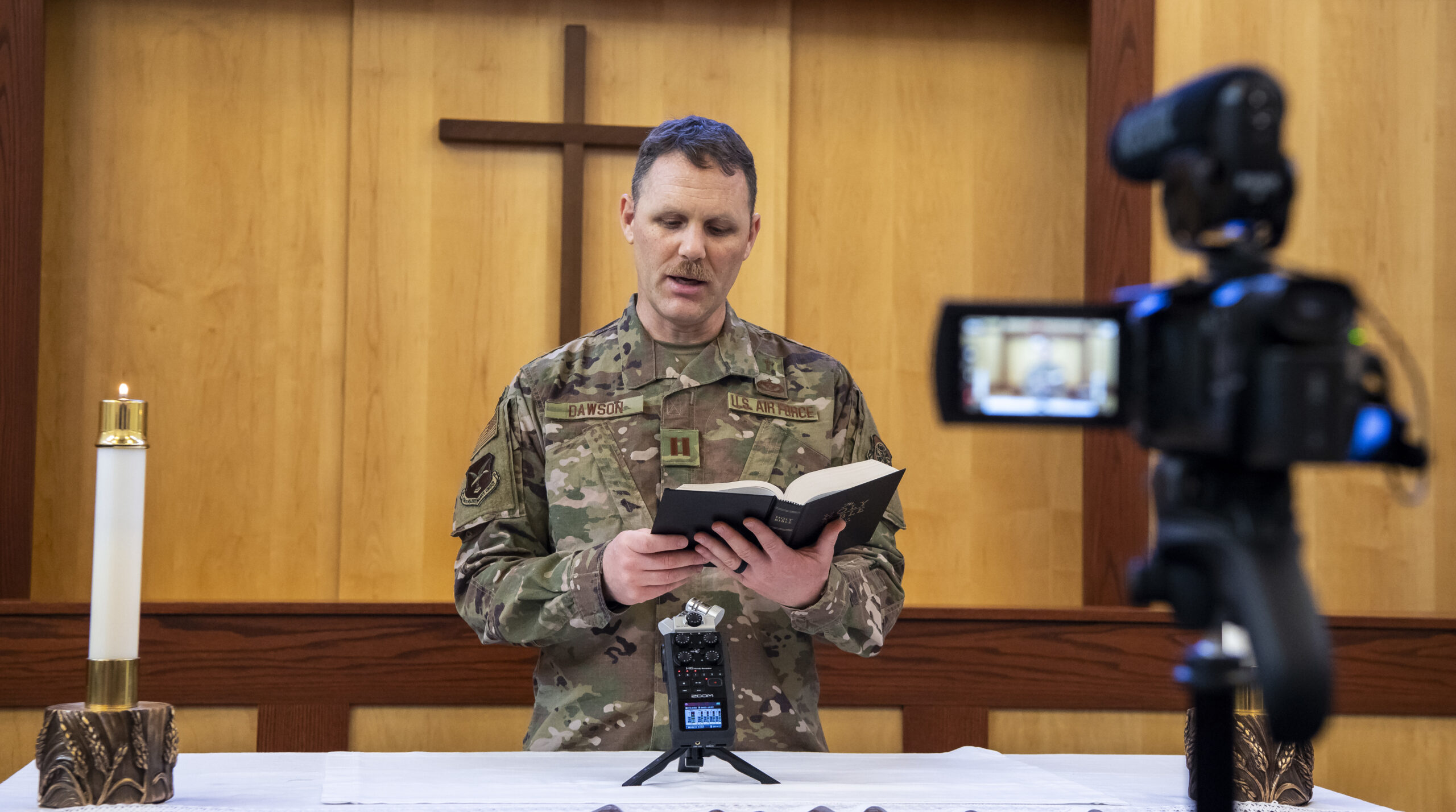
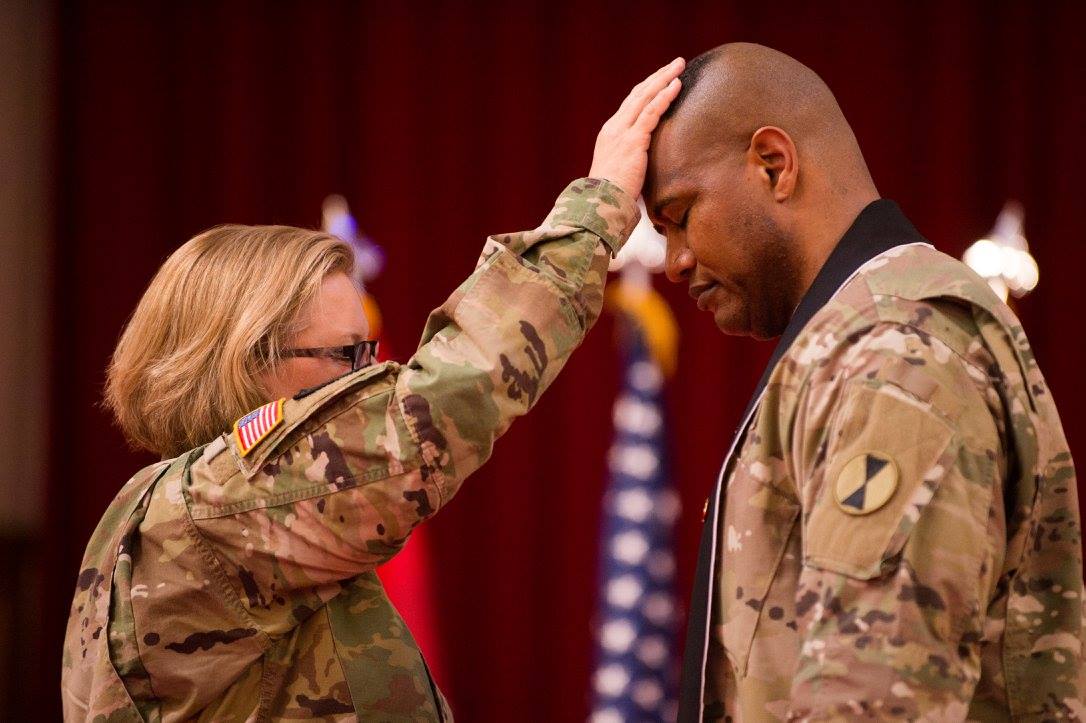
According to a notice released Wednesday, chaplains in the Air Force must now wear the chaplain insignia on their Operational Camouflage Pattern uniforms instead of officer rank insignia.
It’s a change that aligns with March guidance issued across the Department of War to better reflect a chaplain’s primary duty as a spiritual leader rather than a commissioned officer.
The memo, dated June 15, clarified that all Air Force chaplains must comply within 30 days. An Air Force spokesperson confirmed its authenticity after it circulated on the unofficial Air Force Facebook page “Air Force amn/nco/snco.”
The online chatter quickly spread, as service members discussed the new look and the deeper implications behind it.
Secretary of War Pete Hegseth, who announced the change in March, said plainly that “A chaplain is first and foremost a chaplain and an officer second. This change is a visual representation of that fact.”
Hegseth’s words echoed a principle often emphasized by faith leaders in the ranks — that spiritual authority transcends rank and bureaucracy.
Previously, Air Force chaplains would wear both their officer rank insignia and a small symbol of their faith. The new rule simplifies that, giving chaplains one clear identifier: the insignia of their calling, not their pay grade.
The update applies to camouflage uniforms, patrol caps, tactical caps, and outer garments, though not the service dress uniform.
Customs and courtesies remain unchanged: chaplains will still be addressed and saluted according to their rank, even if the insignia itself will no longer be visible on their combat wear.
The change brings the Air Force in line with the U.S. Navy, which last week confirmed that its chaplains would drop rank insignias as well.
The Department of War guidance is expected to expand to all services, including the Army and Marine Corps, though they have yet to issue formal updates mirroring the policy.
For reserve and Air National Guard chaplains, the memo gives a 60-day compliance window. The directive warns that “instances of non-compliance require justification, corrective action plans, and will be reported monthly to the Chief of Chaplains until full compliance is achieved.”
While the chaplain policy emphasizes faith, the Air Force’s second uniform update speaks to practicality.
Pregnant airmen will soon have the option to wear a new maternity wrap dress. It’s authorized as a mess dress, semi-formal, and Class A uniform, with mandatory wear beginning in July 2030.
This move updates outdated uniform options for female personnel, replacing decades-old designs that were uncomfortable and out of step with modern fit standards.
According to the official release, a metal engraved name tag will accompany the Class A configuration, though mess and semi-formal versions will not require one.
The dress will soon be stocked across U.S. Army and Air Force Exchange Service stores, both stateside and abroad, by the end of summer.
The wrap dress, though practical and arguably long overdue, also signals the Air Force’s continued investment in retaining women servicemembers through improved equipment and uniform design.
It’s a pragmatic change rather than a political one, aiming to better accommodate women who serve while pregnant without sacrificing professionalism or comfort.
Notably, the Space Force guardians are excluded from this update — they’ll continue wearing the Air Force jumper until their own maternity uniform arrives in 2027.
That design is still in the prototype phase, part of the growing effort to establish a unique look for the youngest branch in the U.S. military.
Critics of the broader Pentagon modernization effort have claimed the military’s emphasis on uniforms and social issues distracts from readiness.
However, Hegseth’s leadership has so far balanced practical updates like these while sharpening focus on warfighting priorities, returning the Department of War to a mindset of strength, faith, and mission execution.
For many in the chaplain corps, the removal of rank insignia is a visible reminder that their calling isn’t bound by bureaucracy but by faith and service.
As one Air Force chaplain privately noted, “This policy finally matches what we’ve always been — servants of faith, not rank.”
From faith-first chaplain uniforms to maternity wrap dresses, the Air Force is executing orders that both honor tradition and address real needs across the force. It’s a blend of purpose and practicality — and exactly the kind of balance the American military needs in today’s unpredictable world.