Ukraine’s President Volodymyr Zelenskyy is touting what he calls “very positive feedback” from the United States after Washington reportedly began testing Ukrainian-made drones under a long-stalled defense production partnership worth tens of billions of dollars.
The update comes as U.S. President Donald Trump publicly confirmed at the NATO summit in Ankara that America will issue Kyiv a license to manufacture Patriot missile interceptors — a key boost for Ukraine’s war effort and its struggling air defense networks.
According to Zelenskyy, U.S. testing of Ukrainian aerial and maritime drones is already underway, with American partners showing strong interest in the systems.
He described the developments as an early but encouraging sign that the larger $35–$50 billion drone-production venture is finally moving ahead after months of bureaucratic delay.
“There are some documents that have already been signed so that the American side can receive from Ukraine various types of systems in which the United States is interested for testing,” Zelenskyy told reporters in Kyiv.
He added that the initial results have been “very positive,” suggesting that Washington is preparing to advance to the next stage of the partnership.
For over a year, Kyiv has lobbied for the deal, hoping to anchor its defense industry as a central partner to the U.S. War Department. American officials had been notably hesitant, citing political and logistical hurdles, but Trump’s leadership appears to have broken the logjam.
His Ankara announcement granting the Patriot missile license signaled a renewed commitment to modern military cooperation and production between the nations.
The Patriot shortfall has been one of NATO’s most glaring vulnerabilities. Missile stocks were severely depleted following the U.S.-Israeli conflict with Iran earlier this year, during which Gulf-based interceptors launched over 1,400 Patriot missiles in barely five weeks.

That drawdown left Ukraine’s own anti-air forces scraping for ammunition as Russia’s attacks intensified.
Ukrainian Air Force crews were reportedly rationing Patriot rounds by spring, firing a single interceptor at incoming threats instead of the usual volley of two to four.
Air Force spokesman Yurii Ihnat even described the Patriot units as living on a “starvation ration.”
Despite that, Ukrainian defenders still managed to shoot down roughly 92 percent of Russian Shahed drones in May — largely thanks to new domestically made interceptor drones that are cheaper and quicker to produce.
Ukraine now produces drone platforms on an industrial scale, manufacturing more than 100,000 in 2025 alone and doubling that rate in just the first four months of 2026.
With that kind of output, it’s no surprise that the Trump-approved U.S.-Ukraine drone production partnership has the potential to reshape the alliance’s defense posture.
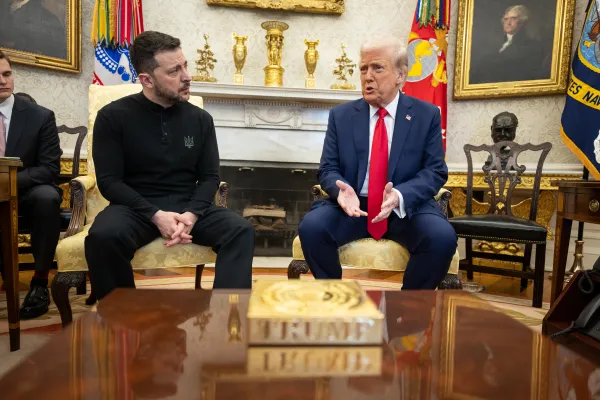
Zelenskyy’s “Drone Deal Initiative,” officially introduced at the NATO summit, proposes a 50-50 co-production model between Ukrainian and American firms, drawing from a network of 200 Ukrainian defense companies.
For a Ukrainian president desperate to prove his country’s technological value, this initiative signals a shift from being a sponsor-driven recipient to a front-line producer and exporter within the Western defense bloc.
Ukraine’s standing inside NATO has quietly evolved. Alyona Getmanchuk, Kyiv’s mission chief to NATO, highlighted how Ukraine now leads one of the alliance’s joint centers, participates in NATO’s red-team war planning, and runs live combat evaluations that others simply theorize.
“Ukraine is the only partner actually implementing NATO’s Strategic Concept in combat,” she said. Her comments reinforce what Zelenskyy has long argued — that Ukraine’s battlefield experience has made it indispensable.
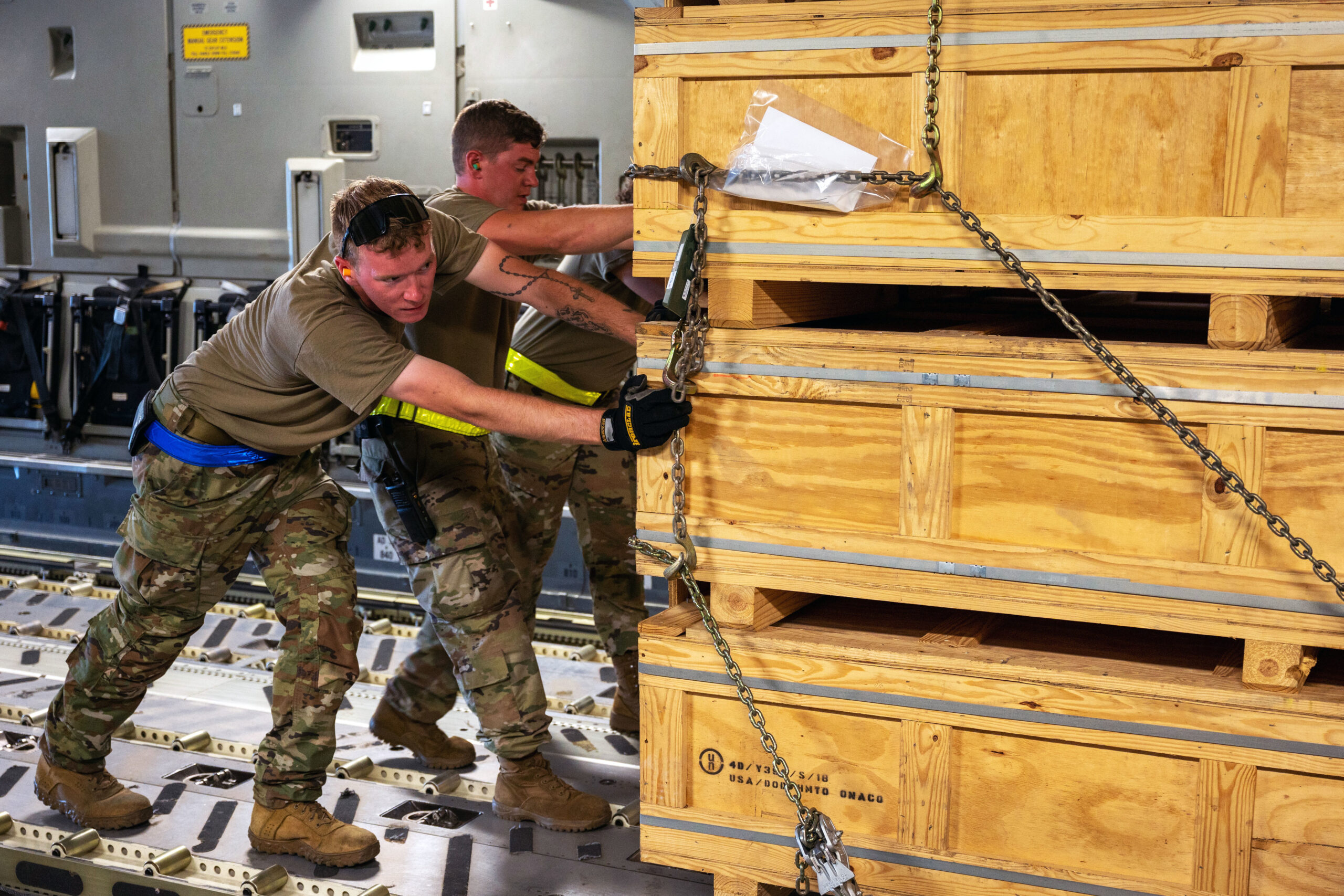
Still, the deal’s full activation awaits final approval from Washington, as paperwork and oversight details remain. Trump’s public support, however, makes that approval seem more a matter of timing than politics.
He’s made clear that he expects America’s allies to pull their weight, and this new partnership shows Ukraine finally doing just that — producing, innovating, and defending instead of simply requesting more aid.
For Zelenskyy, the timing is critical. Days before the summit, Russian forces unleashed one of their heaviest bombardments in months, firing more than 400 projectiles at Kyiv.
The toll exposed how thinly stretched Ukraine’s interceptor supply had become. In that context, the Patriot license isn’t just symbolic — it’s survival.
Zelenskyy insists that Ukraine’s defense industry already meets “NATO level” performance and is “one of the best.”
Whether that’s bravado or reality, it’s clear his military machine has done something few expected: kept Russian forces from total dominance while functioning under severe constraints.
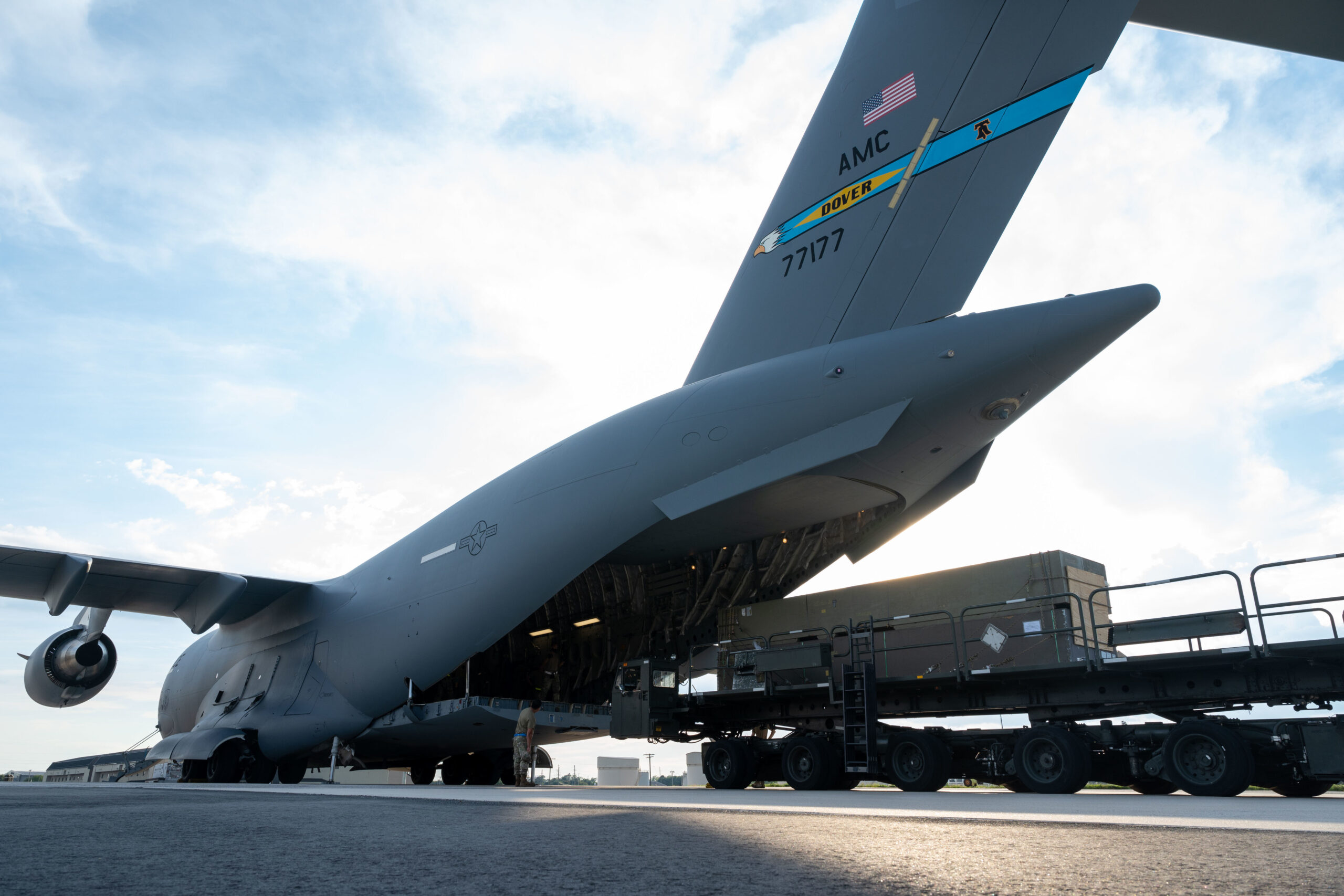
“Everyone respects our army, everyone respects our technology companies,” he said, framing Ukraine’s progress as a reason for equal footing within NATO rather than mere sympathy.
The budding partnership is a win-win for both sides. The U.S. gains battlefield-tested technology and a production ally close to the front, while Ukraine gains access to advanced systems and much-needed industrial capacity.
For Trump, who’s long pushed for allies to expand their defense capability and burden-sharing, the arrangement fits perfectly within his America First vision of partnerships that serve mutual strength — not endless dependency.
In practical terms, the ongoing testing and the formal Patriot production license indicate that the U.S.-Ukraine defense relationship has entered a new, more serious phase.
If it continues on schedule, the next stage could see Ukrainian factories turning out American-approved interceptors alongside fleets of drones that serve both nations’ security needs.
That’s the kind of “testing underway” that Washington finally seems ready to finish — and a far cry from the sluggish indecision of previous administrations.