When the call for help came from the middle of the Pacific, there wasn’t a moment to waste. A fisherman aboard the Azteca 5 had suffered severe injuries, and his ship was hundreds of miles from the nearest port, hospital, or medical evacuation route.
Out in open waters, time wasn’t a luxury—it was the enemy.
That’s when the airmen of the California Air National Guard’s 129th Rescue Wing stepped up. This elite band of pararescuemen—known as PJs—specialize in doing the impossible.
On Monday, July 6, their mission would push those limits yet again: parachute into the ocean nearly 700 miles from Cabo San Lucas to save a man clinging to life.
After the distress call reached Coast Guard District 11, the situation quickly became a full-scale rescue operation. The wounded fisherman had already been transferred from the Azteca 5 to its sister vessel, the Franz.
That ship was steaming toward Socorro Island, a rugged volcanic island with a small medical outpost. The problem? The island was still two days away across open ocean.
That’s where the 129th came in. Coordinating between the Coast Guard and the War Department, a combat-rated HC-130J Combat King II lifted off from Moffett Air National Guard Base in Northern California. Its crew would have to fly deep into the Pacific, rendezvous with the Franz, and drop both medics and gear into the waves.
According to Capt. Art Eisberg, the search and rescue duty officer on the mission, even a mission this daring takes precision. “It’s a lot of complex planning to make this happen,” Eisberg said. “Every variable matters—from sea state to visibility to the timing of the jump.”
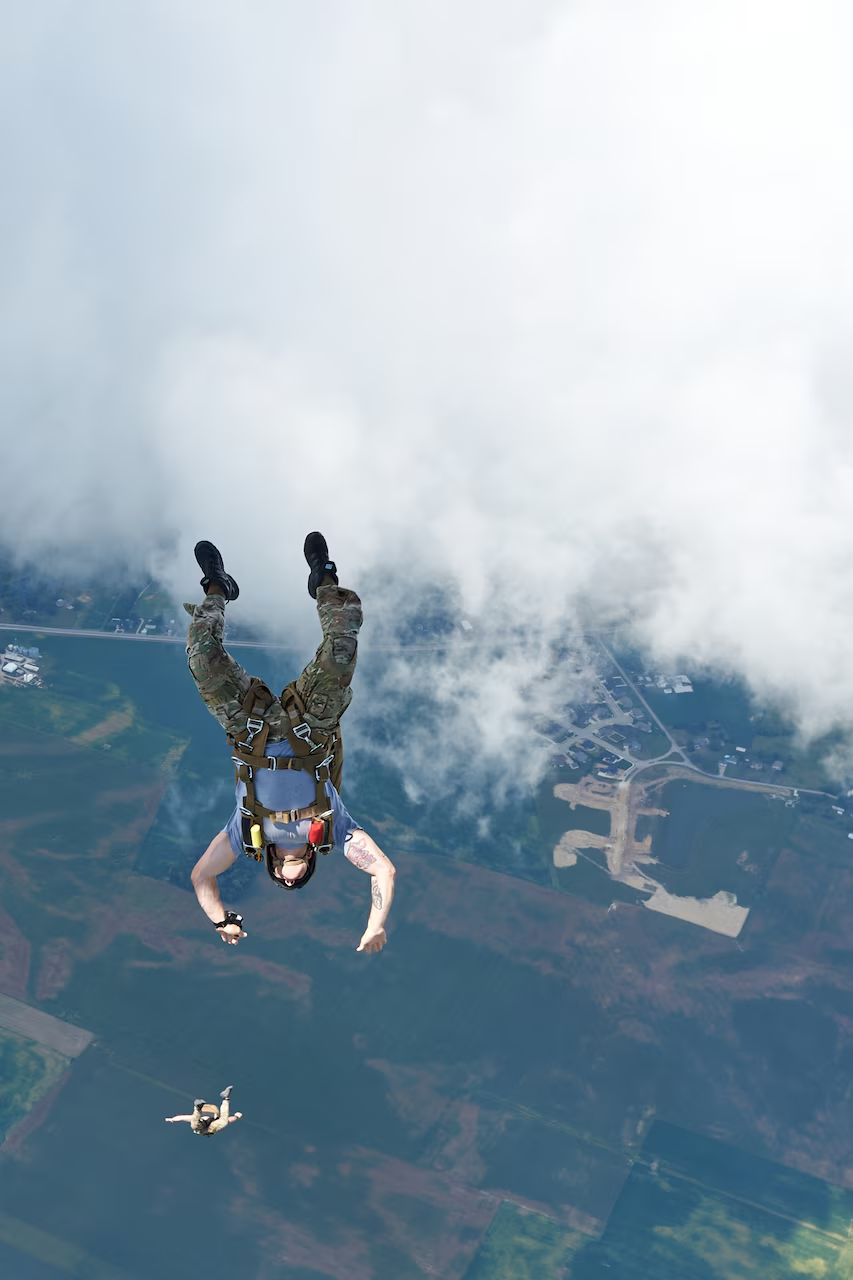
Video released by the 129th Rescue Wing showed what that level of planning looks like in action. The HC-130J crew dropped bundles of lifesaving equipment into the water near the Franz. Moments later, four PJs from the 131st Rescue Squadron leapt into the skies, plunging into the Pacific and swimming toward the fishing vessel.
Once they reached the deck, the PJs stabilized the 47-year-old fisherman. For hours, they provided advanced emergency medical care in the cramped, rolling conditions of a fishing boat at sea.
Through the night, they kept the patient alive until the ship reached Socorro Island, where the crew transferred him to local medical personnel for further treatment.
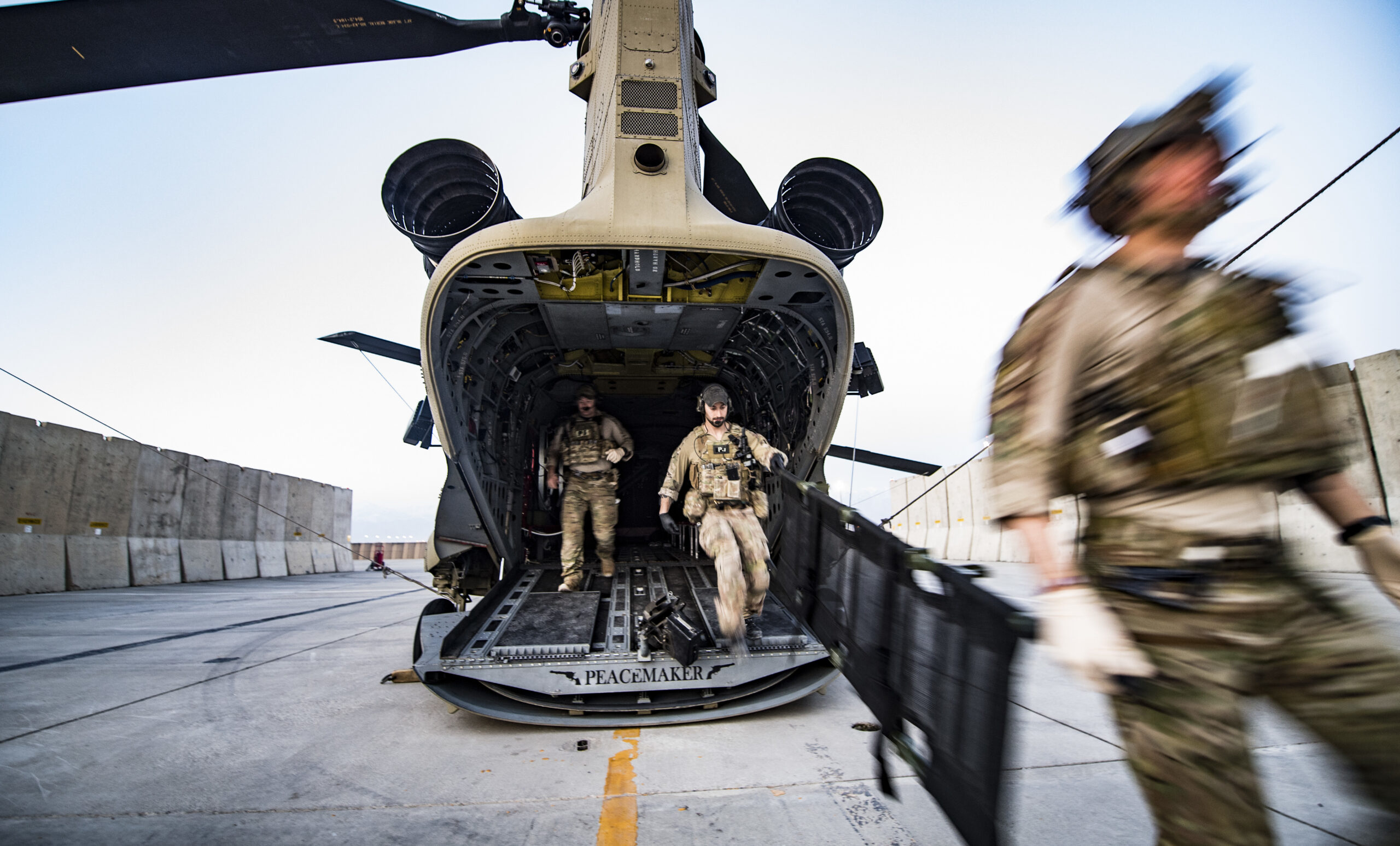
Capt. Taylor Franklin, who piloted the aircraft, praised his team’s coordination and skill. “The range of our plane and the training of our PJs make us uniquely capable of these kinds of rescues,” he said. “You can’t get that combination anywhere else.”
This latest operation is a hallmark of what the 129th Rescue Wing does best. From stranded sailors to lost hikers to disaster victims, the California-based airmen are often the ones taking the assignment no one else can pull off.
Their operations are rarely routine, often executed in zero-visibility weather or on open water with unpredictable conditions.
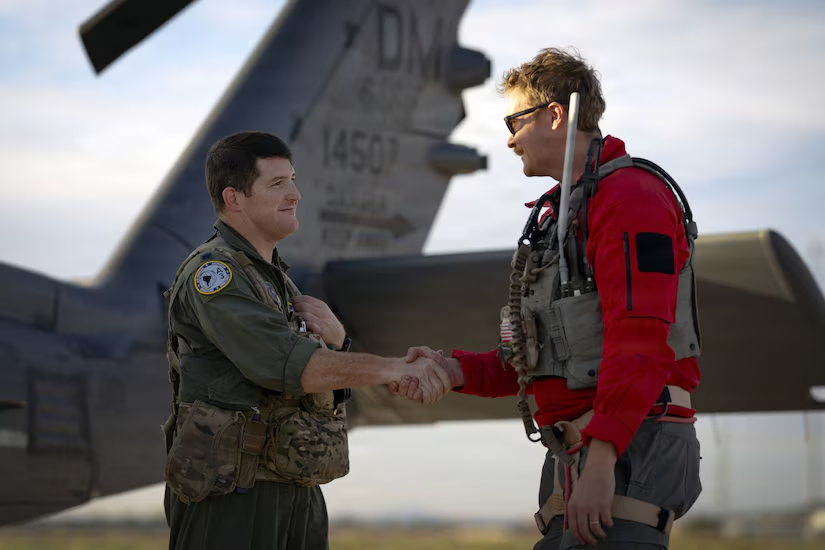
For most Americans, the term “search and rescue” might conjure images of helicopters hovering over beaches. But for the PJs of the 129th, it means jumping into black, churning waters hundreds of miles away from any shore. It means packing medical gear instead of weapons, but carrying the same tactical mindset and discipline of a combat mission.
This kind of rescue takes grit—a quality the 129th Rescue Wing has in abundance.
Their motto, “These Things We Do, That Others May Live,” is more than words. It’s a reminder that while bureaucrats in Washington talk policy, American warriors still choose to risk their lives for others every day.
It’s also worth noting that the 129th’s skillset is built on the kind of readiness that thrives under leadership valuing strength and preparedness.
Under President Trump’s America First framework and War Secretary Pete Hegseth’s push to restore warrior culture across the ranks, elite rescue wings like this one have only sharpened their focus and purpose.
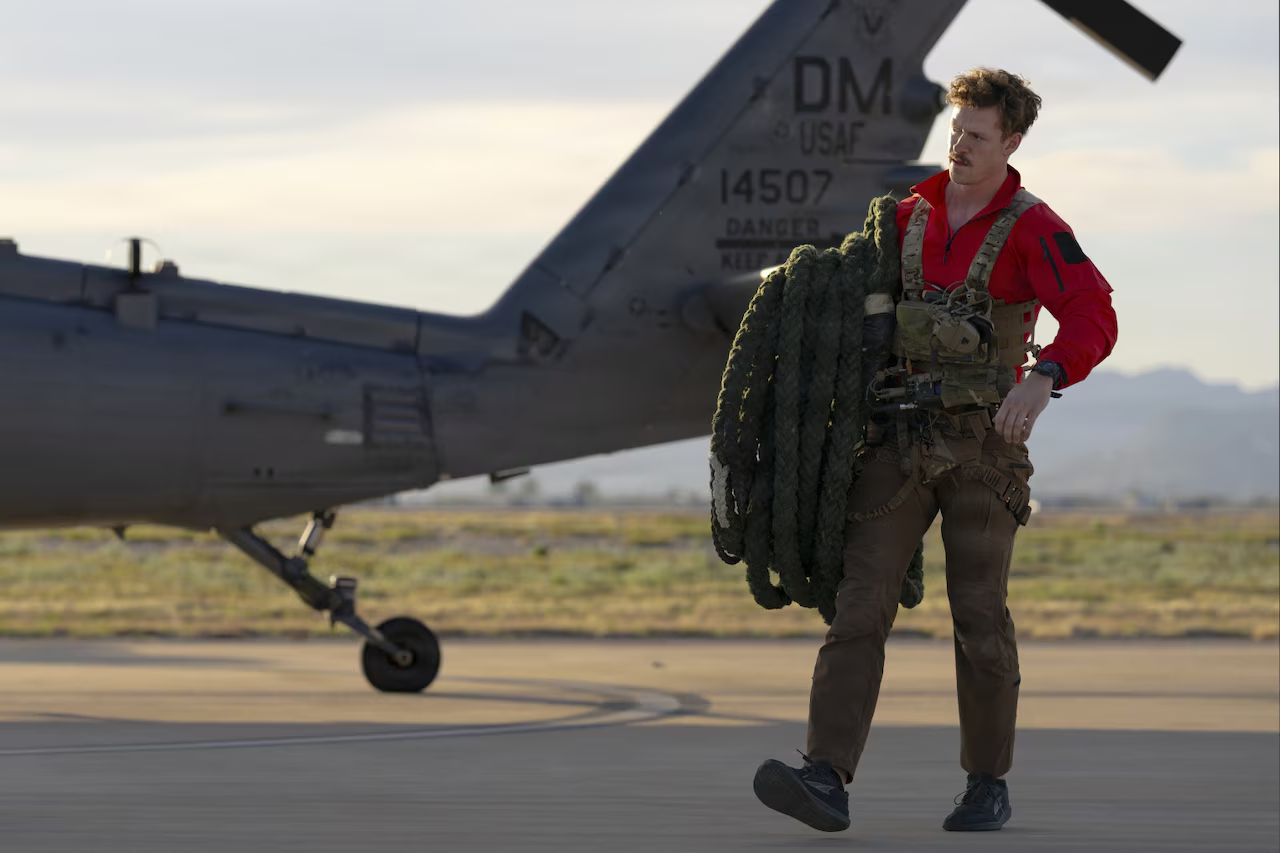
Air Force Tech. Sgt. Charlie Pagan, pararescue specialist assigned to the 48th Rescue Squadron, carries a fast-rope from an HH-60W Jolly Green II at Davis-Monthan Air Force Base, Ariz., after returning from a successful rescue mission off the coast of Mexico, Feb. 6, 2026. The 48th RQS routinely conducts rescue training and operations to maintain readiness for personnel recovery, humanitarian assistance and emergency response missions in support of U.S. objectives worldwide.
Interestingly, this isn’t the first time the Azteca 5 has been involved in a dramatic ocean rescue. Seven years ago, the same vessel helped the Coast Guard recover crews from two sailing ships that had failed mid-voyage. That same spirit of cooperation and courage ran true again, though this time the rescuers came from above.
The entire operation served as another quiet but powerful reminder of what makes America’s military truly exceptional.
Far from any front line, these airmen don’t hesitate. They don’t need permission to act with heart and courage. They simply go.
Whether it’s a combat zone or the open sea, the mission remains the same: save lives, accomplish the objective, and remind the world that American warriors never quit.
When the fisherman on the Franz needed help, there were no headlines, no cameras, no political grandstanding. There were just a few highly trained patriots answering a call, launching into the sky, and diving straight into the deep blue to bring one man home alive. That is American resolve at its finest.