The Pentagon has awarded nearly $11 million to X Bow Systems as Washington races to develop a cheaper interceptor for ballistic and hypersonic threats.
The New Mexico based rocket manufacturer is expected to pursue a weapon costing less than $750,000 per shot.
That price would be roughly one fifth of the cost of a top tier Patriot interceptor, offering the military a potentially vital answer to an increasingly ugly production problem.
Sophisticated threats are multiplying faster than the current industrial base can replace the missiles used to destroy them.
The Missile Defense Agency launched its Rapid Response Small Launcher Technology program one year ago.
Its original solicitation sought companies that could “rapidly demonstrate very low cost, modular interceptor designs to counter ballistic and hypersonic threats.”
For decades, Northrop Grumman and L3Harris subsidiary Aerojet Rocketdyne have dominated the domestic market for solid rocket motors used in advanced interceptors.
Patriot production, meanwhile, runs through Lockheed Martin and Raytheon, with Japan remaining the only foreign nation licensed to manufacture the missiles.
That narrow supplier pool has created an expensive and sluggish pipeline at precisely the wrong moment.
“The contract will aim to address the critical need to expand the SRM industrial base, which is currently reliant on a duopoly of two primary manufacturers,” the War Department wrote in its contract announcement last month.
The problem became more urgent following the war with Iran, which left the United States with fewer than 1,000 Patriot interceptors and approximately 250 Terminal High Altitude Area Defense rounds.
Replacing each Patriot interceptor costs about $3.9 million and can take years because only a handful of licensed manufacturers are available.
That is not a sustainable equation when hostile regimes can launch cheaper drones and missiles in large salvos.
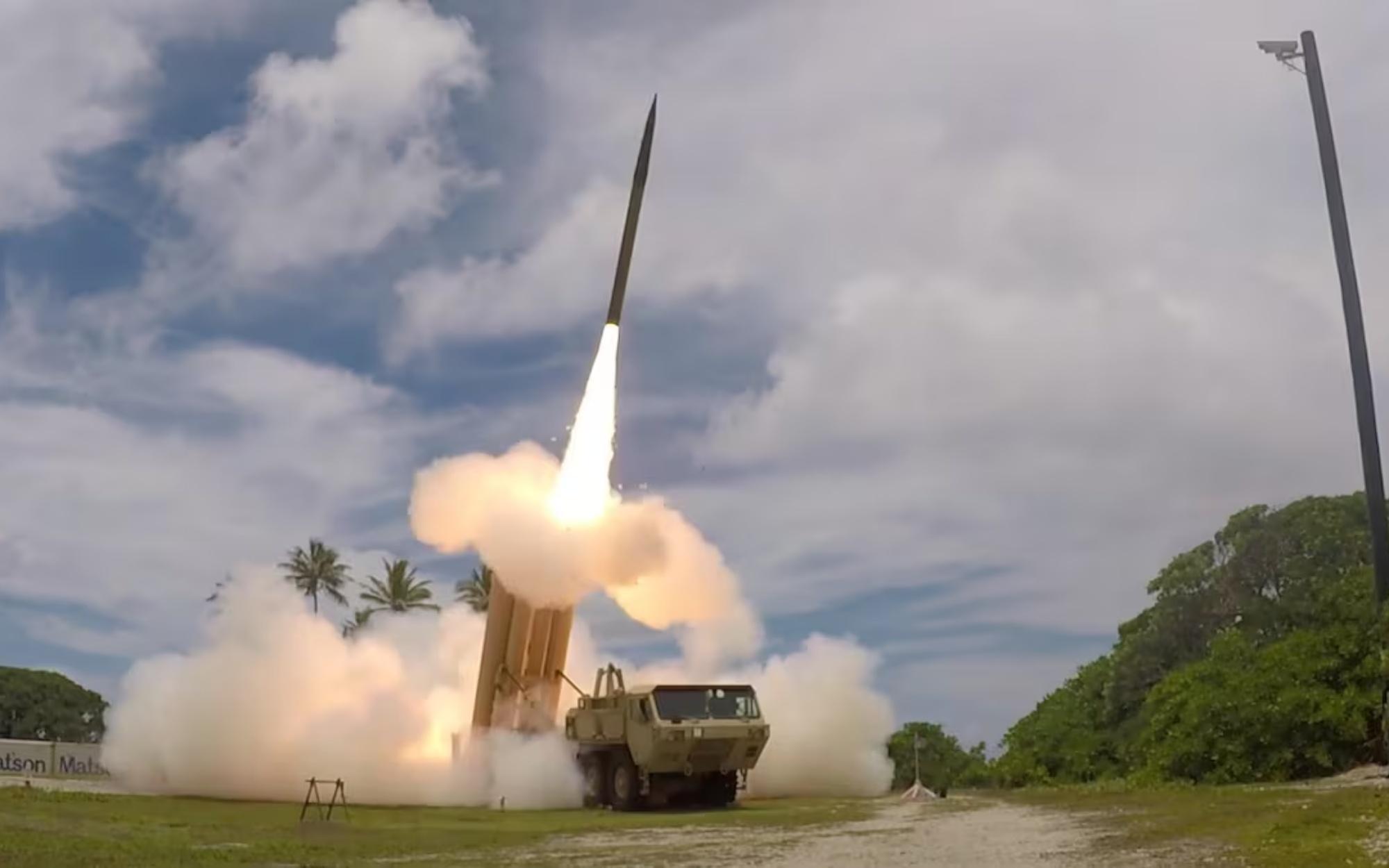
America cannot afford to spend premium dollars on every incoming threat while adversaries play the mass production game.
X Bow founder and CEO Jason Hundley put the challenge bluntly, saying, “America can’t out-produce today’s threats with yesterday’s supplier base.
Our new manufacturing technology lets us bring affordable interceptors and rocket motors to the warfighter faster, and this award is a chance to prove it.”
The company produces its solid rocket motors and propellant internally through advanced printing technology. X Bow will use the second phase award under the agency’s Low Cost Interceptor effort to continue motor development and conduct an initial flight test.
Missile Defense Agency Director Lt. Gen. Heath Collins said officials are examining the entire interceptor for possible savings.
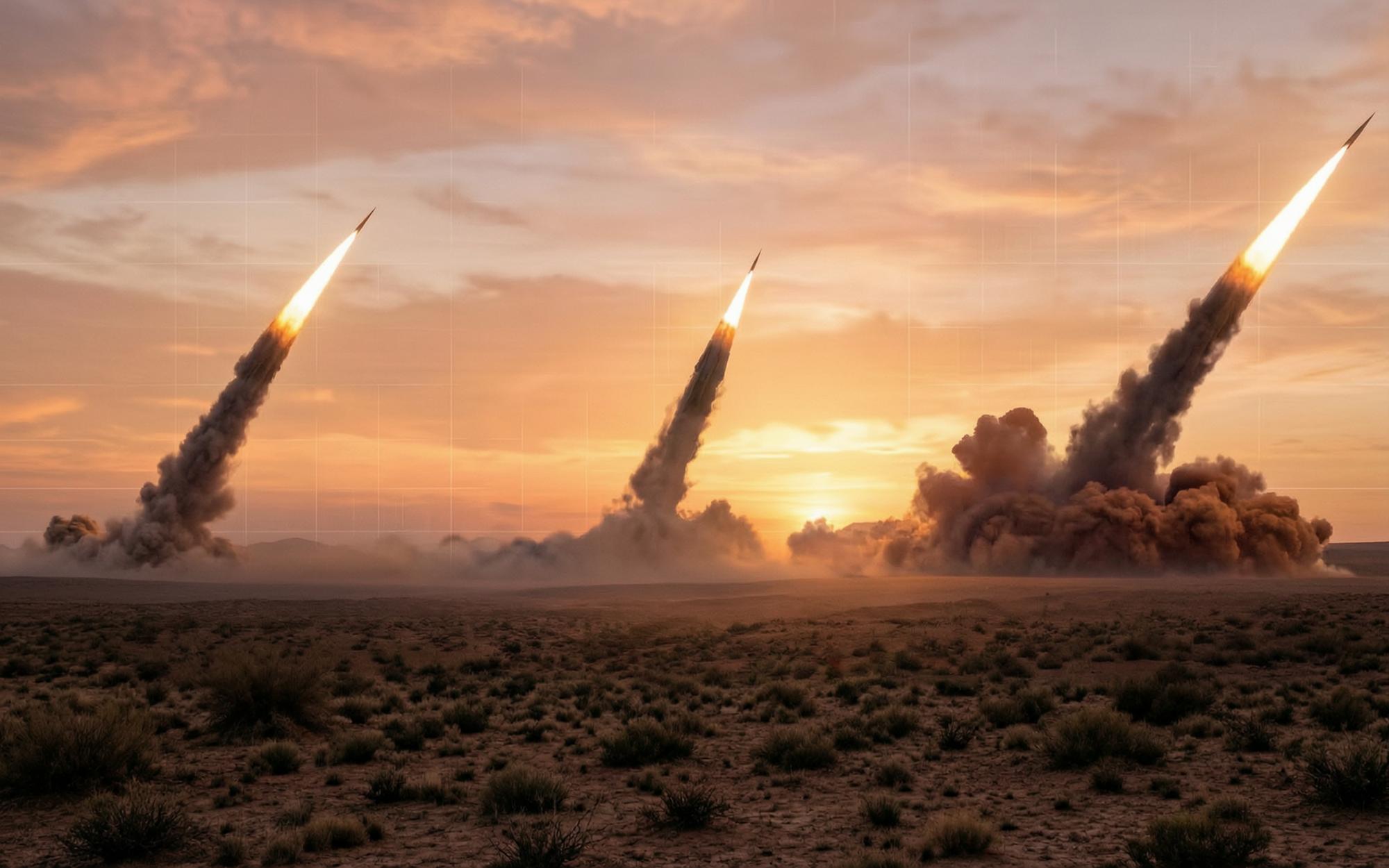
“We’re taking a look at propulsion, we’re taking a look at all the expensive parts of an interceptor to look for opportunities to drive down every bit of cost in there as we move forward,” Collins said.
Other parts of the federal government are also scrambling to address the worldwide interceptor shortage. Last year, the Air Force asked industry for concepts for a counter air missile costing less than $500,000 that could be manufactured by the thousands annually.
American allies remain heavily dependent on Patriot inventories to defend cities, military installations and critical infrastructure.
That dependence has pushed Ukraine and European partners to pursue their own less expensive antiballistic weapons rather than wait indefinitely for scarce American rounds.
During the summer, Ukraine and its European partners opened at least three development tracks for cheaper missile defenses.
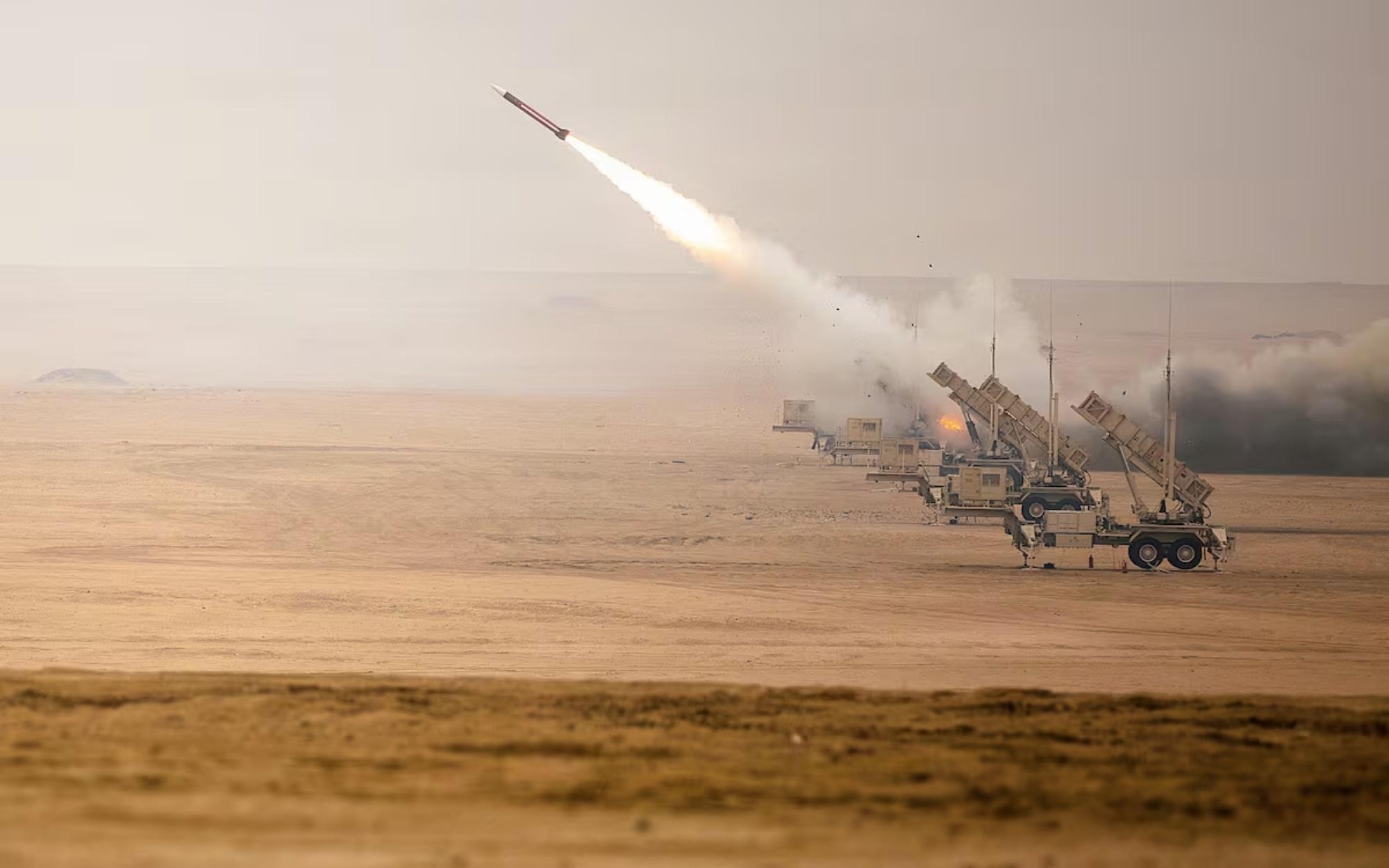
They include the nine nation Freyja initiative, a proposed $700,000 interceptor that Ukrainian strike drone manufacturer Fire Point says could be ready for combat next year.
Lockheed Martin is also developing the PAC 3 ACE missile, which the company says should cost less than half as much as a PAC 3 MSE round while moving through production faster. Whether those promises translate into meaningful battlefield inventory remains the expensive question.
Lockheed Martin and Raytheon have offered little public detail about giving Kyiv the licenses needed to manufacture Patriot missiles domestically.
That silence has continued despite President Donald Trump’s July pledge to license the technology after years of Washington withholding it.
None of the American, Ukrainian or European alternatives is expected to arrive before next year. Even the most promising programs still face the unforgiving gap between an impressive prototype and a reliable weapon that soldiers can trust when missiles are inbound.
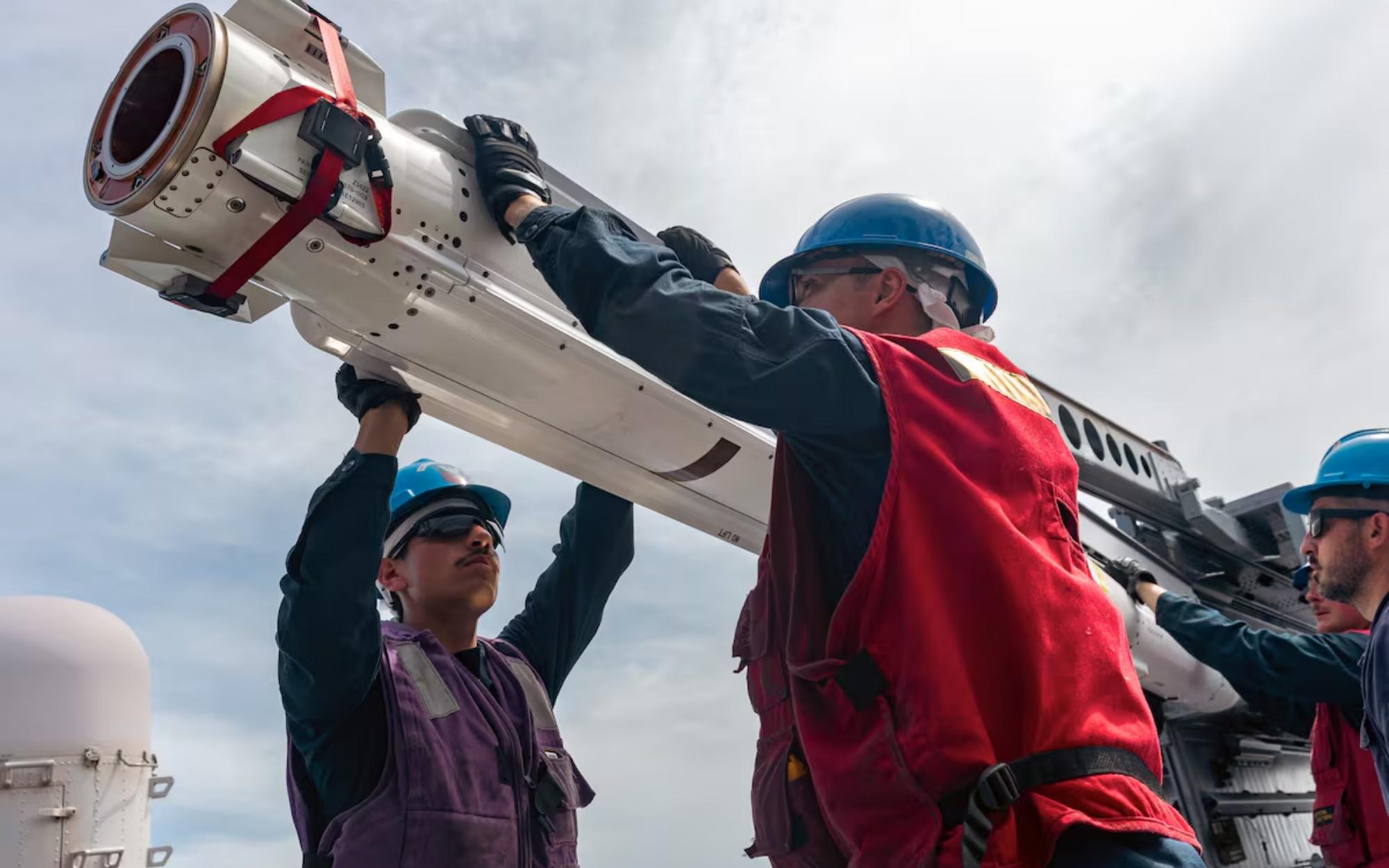
Under its agreement, X Bow must deliver a prototype to the War Department for a flight demonstration by late 2027.
That milestone would not produce a battle tested interceptor, while the most advanced Ukrainian alternative is not expected to enter combat before the middle of 2027.
The contract nevertheless represents a serious attempt to break the supplier bottleneck and restore production capacity.
If X Bow succeeds, American forces could gain a cheaper interceptor while the Pentagon finally injects some overdue competition into a market that has operated like a comfortable private club.