The Navy is talking about an unmanned future, but its budget remains anchored to the manned fleet of yesterday.
Matthew Shortal, a senior leader at the Silicon Valley based Defense Innovation Unit, told a congressional panel Wednesday that the service must make far tougher choices.
Shortal, the unit’s principal deputy director and chief commercial officer, testified before the National Commission on the Future of the Navy.
His message was blunt: rhetoric about autonomous vessels means little when the money keeps flowing toward traditional platforms.
“I’ve seen reports that it’s 96% manned, 4% unmanned,” Shortal said. “My personal view is that it’s not even close, and we need to move quicker.”
According to Shortal, Navy and Marine Corps leaders readily agree that unmanned ships and systems will matter in future combat.
That agreement apparently becomes considerably less enthusiastic once officials must move money and cancel comfortable legacy programs.
“But when it comes time for budget, moving things, it just doesn’t happen, and we need to move out quickly,” he said. Shortal added that the ratio is not moving toward 10 percent despite several billion dollars being requested for unmanned capabilities.
“It’s not enough. We need to start killing manned programs,” Shortal said, delivering the kind of budget reality check Washington rarely enjoys hearing.
The hearing was the commission’s third public session and took place at the Naval Postgraduate School in Monterey, California.
Congress established the eight member commission in 2022, and its public hearing series began in March.
The commission expects to release initial findings in early 2027, including “concrete choices for force design, industrial base reform, and the policies that enable a Navy and Marine Corps team capable of sustained operations and rapid surge when required.”
That timeline leaves little room for bureaucratic drifting while American rivals rapidly expand their own maritime forces.
Shortal argued that both the Ukraine conflict and Operation Epic Fury, the United States’ war on Iran, have transformed battlefield assumptions.
Those conflicts, he said, have established unmanned vessels as “the way into the future.”
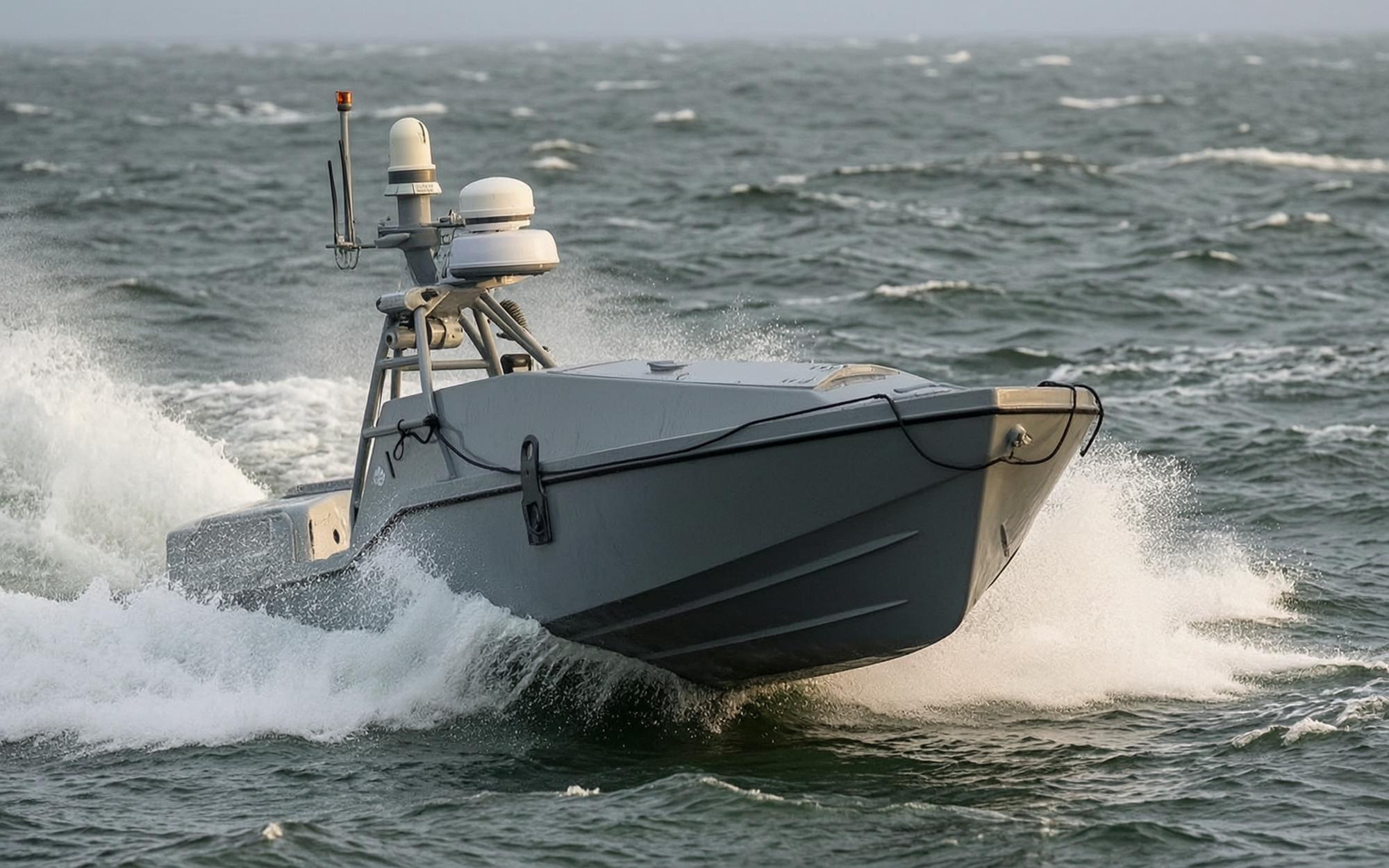
He pointed to the deployment of a Saronic built Corsair unmanned surface vessel into the Strait of Hormuz.
The craft conducted a rescue at sea for two Army AH 64 Apache pilots after their helicopter went down in the strait in June.
“Then, not long after, three explosive laden Corsair autonomous surface vessels conducted one way attacks against maritime infrastructure at the Bandar Abbas naval base,” Shortal said. Bandar Abbas is Iran’s largest naval facility and sits beside the strategically vital Strait of Hormuz.
The Defense Innovation Unit had previously financed early prototype work and acquisition pathways for Saronic unmanned surface vessels.
That effort helped produce a $392 million production contract for Corsair vessels last December.
“At DIU, we don’t spend years gazing at the problem,” Shortal said. “In the face of generational technological change on the battlefield, resource allocation towards new entrants and new capabilities like unmanned autonomous vehicles in all domains is a critical directive in the face of a new war.”
Shortal did not identify which specific manned ships or capabilities should face cuts.
That omission leaves the Navy with the hardest question still unanswered, because every major program has a constituency, a contractor and a long line of officials explaining why somebody else should take the hit.
Operation Epic Fury has also exposed the limits of a manned fleet stretched across competing theaters.
The Navy has only so many aircraft carriers, escorts and support vessels available to sustain operations in the Middle East while deterring China in the Pacific.
The carrier George Washington was redirected to the region to relieve the Abraham Lincoln after an exceptionally long deployment. That move created a temporary carrier gap in the Pacific as China continued threatening American allies, a strategic shell game no serious fleet plan can tolerate forever.
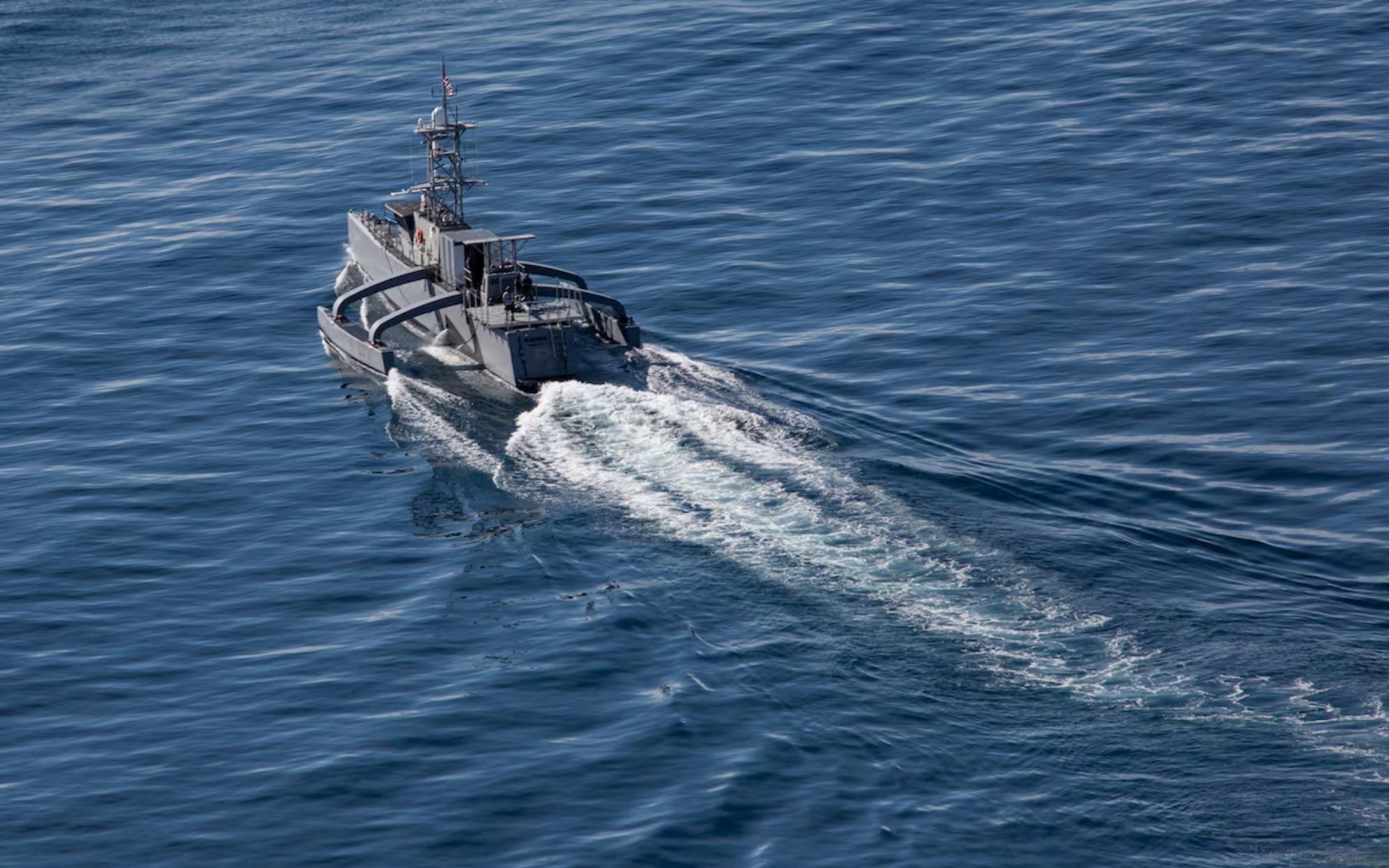
The Navy’s May shipbuilding plan requests money for five unmanned vessels and 34 manned vessels in fiscal 2027. Across five years, it seeks 63 unmanned platforms and 122 manned ships, producing a projected fleet of 299 manned battle force ships and 83 unmanned vessels by fiscal 2031.
It was the first Navy shipbuilding plan to include unmanned vessels in official future fleet projections.
“This inclusion is driven by the level of maturity in unmanned vessels,” the plan stated, adding that they are now expected to satisfy operational requirements approved by the Chief of Naval Operations.
That is progress, but Shortal’s testimony makes clear that adding a few unmanned vessels around the edges will not produce the fleet required for modern war.
If the Navy wants mass, reach and survivability, sacred cow programs may finally have to meet the budget knife.