The U.S. House is gearing up this week to vote on a sweeping piece of legislation that could reshape veterans’ benefits for years to come.
The proposal, known as the Take Care of America’s Veterans Act, would give wounded warriors long-overdue financial relief while trimming other programs in a bid to balance the books.
It’s a massive package negotiated chiefly by Republican lawmakers aiming to strike a compromise between compassion and fiscal responsibility.
At the heart of the bill are two major reform efforts that veterans’ groups have fought for over the past decade. One is the Major Richard Star Act, which ensures that roughly 54,000 medically retired veterans finally get both their full military retirement pay and their Veterans Affairs disability compensation—without being punished by overlapping offsets.
The other is the Love Lives On Act, which would allow spouses of fallen servicemembers to keep benefits if they remarry before age 55.
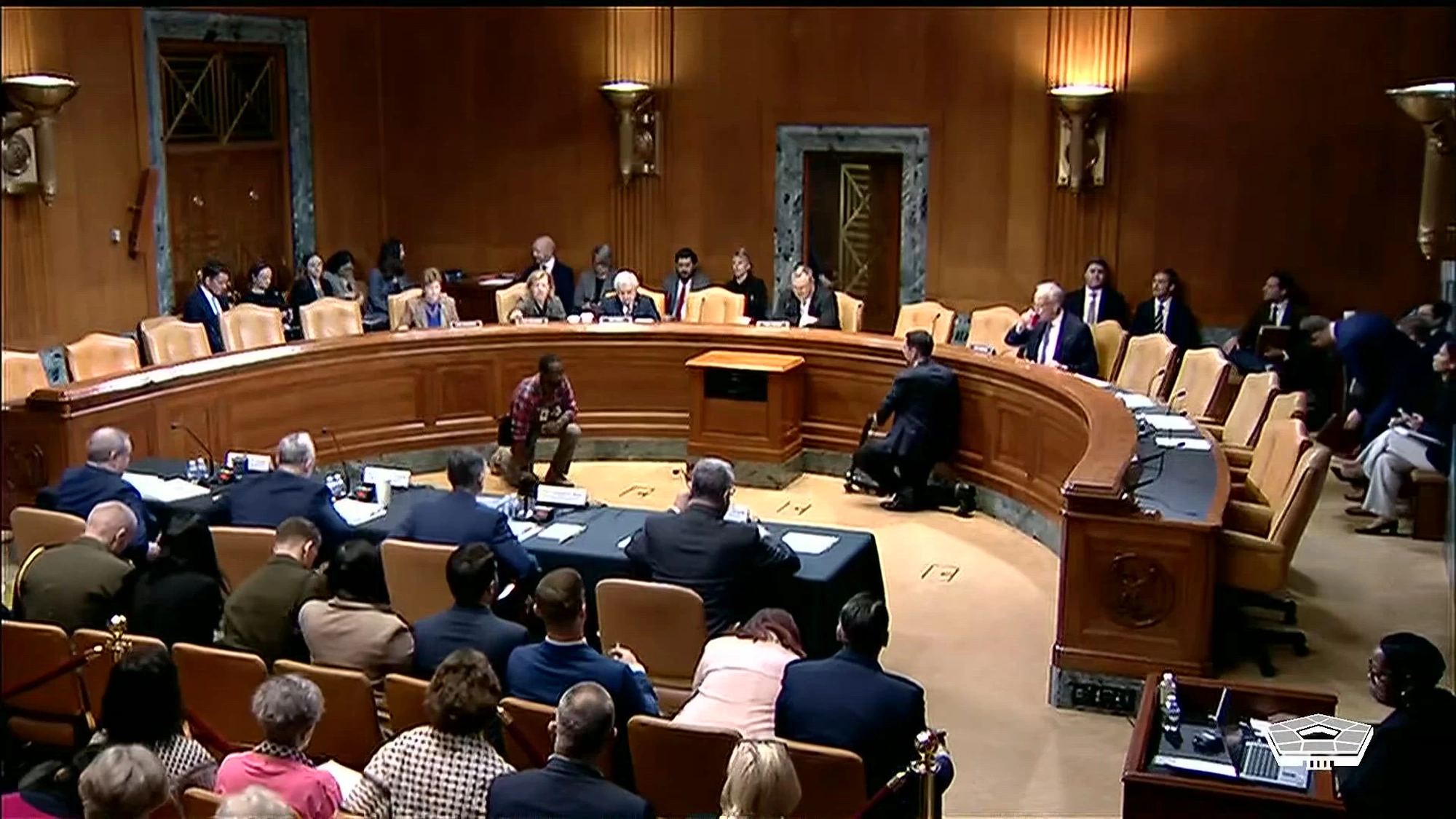
House Veterans Affairs Committee Chairman Rep. Mike Bost of Illinois and his Senate counterpart Jerry Moran of Kansas spearheaded the move after years of meetings with advocates who have demanded action from Congress.
“Over the past few months, we have heard from thousands of veterans who want to see the Major Richard Star Act passed,” Bost said, framing it as a moral obligation, not just a financial matter.
Sen. Moran echoed that sentiment, saying that real leadership means delivering results instead of slogans. “It takes hard work and consensus building to pass legislation that matters so greatly to them,” he said in Senate remarks.
Despite overwhelming bipartisan support—336 House members and 79 senators—the Star Act was repeatedly blocked because of sticker shock. The projected $11 billion cost over the next decade left lawmakers divided over where the money should come from.
The Take Care of America’s Veterans Act attempts to solve that by modernizing VA disability criteria and cutting certain ratings—moves that critics say shift the financial burden onto future veterans.
Key changes would tighten disability ratings for conditions like sleep apnea and tinnitus. Under the new scale, veterans with asymptomatic or well-controlled sleep apnea could see their benefits reduced to as little as a 0% rating.
Likewise, tinnitus, currently rated at 10%, would no longer qualify on its own and instead be treated as a symptom tied to another injury.
Republican lawmakers argue the shift modernizes old, inflated standards and saves billions that can then fund battlefield-injured service members.
Yet veterans organizations say those savings come straight from the pockets of future generations who might need help later. Disabled American Veterans National Commander Coleman Lee called the cuts “a betrayal cloaked in reform.”
The Veterans of Foreign Wars issued a similarly tough rebuke. “We reject the idea that the only way to care for some veterans is by stealing benefits from others,” National Commander Carol Whitmore said, blasting what she viewed as backdoor austerity targeting common, combat-related conditions.
Meanwhile, Senate Democrats like Richard Blumenthal have launched their own attacks on the bill.
The Connecticut senator accused Republicans of using fiscal tricks instead of tapping existing funds. Blumenthal argued the War Department could simply draw from the $1.7 trillion Military Retirement Fund.
“Correcting this injustice for combat-injured veterans should not deprive others of benefits they need and deserve,” he claimed, pushing for a no-cuts alternative.
But veteran advocates who patiently waited for reform warn that ideological purity won’t fix decades of broken promises. American Legion National Commander Dan Wiley said pragmatism must prevail.
“Critics may focus on trade-offs, but the alternative is continued gridlock. Success takes a pragmatic path forward, not just good intentions,” Wiley noted.
Even War Secretary Pete Hegseth, who has remained in favor of the Major Richard Star Act for years, urged lawmakers to focus on passage first, payment later. Although he did not specify methods to cover the cost, Hegseth reiterated that equal treatment for combat-wounded retirees is a matter of integrity and national honor—not partisan debate.
Beyond the flagship measures, the 554-page bill would also expand financial and family support for severely injured veterans.
The Sharri Briley and Eric Edmundson Veterans Benefits Expansion Act included in the package would raise annual payments to families of catastrophically wounded veterans by $10,000 and slightly increase survivor benefits.
It also boosts payouts for families of veterans who died from ALS and funds traveling VA physicians to reach isolated territories and Pacific island communities.

The legislation would also require a host of studies and oversight measures. These include annual reports on veteran death causes, a Government Accountability Office review on hyperbaric oxygen therapy for traumatic brain injuries, and research into hereditary effects of toxic exposure on veterans’ descendants.
The reporting aims to improve transparency and strengthen treatment and care for the long term.
Still, opponents on both sides question whether the ends justify the means. Some call the bill a “shell game” built on balancing noble goals with uncomfortable trade-offs. But supporters argue it’s better than the status quo—where Congress preaches about veterans but rarely delivers life-changing results.
The House is expected to take up H.R. 9237 in the coming days, setting up what could be one of the most consequential veterans votes in years.
If passed, it would mark a clear example of Republican-led pragmatism: cutting bureaucratic waste to deliver real help to the combat-wounded and their families, even in the face of partisan critics and Washington bean counters.
In the eyes of everyday veterans, that kind of action—the kind that actually gets signed into law—might finally restore some faith that Capitol Hill hasn’t completely forgotten who fought for freedom in the first place.