A U.S. Coast Guard MH-60 Jayhawk helicopter went down Monday morning in the rugged terrain near Sitka, Alaska, during what officials described as a routine training flight.
The chopper, carrying four service members, reportedly crashed near Harbor Mountain just after 10 a.m. local time.
Miraculously, all crew members survived the impact, though their exact conditions remain unknown.
According to the Coast Guard, rescue teams were on the ground within minutes of the alert, which was received at approximately 10:07 a.m. Local search-and-rescue personnel from the Sitka Fire Department joined Coast Guard crews in reaching the wreckage site.
The four members were transported to Mt. Edgecumbe Medical Center for evaluation.
Officials confirmed that no fatalities have been reported, a rare stroke of good fortune in a crash of this nature.
The Jayhawk, a highly capable air platform built for Arctic weather and sea rescues, is used extensively throughout Alaska’s unforgiving terrain for both operations and training.
“The safety, well-being, and rescue of our crew members is our absolute immediate priority,” the Coast Guard emphasized in a statement released hours after the incident. As of now, the specific cause of the crash is unknown and is under investigation by the service.
Coast Guard crews in Alaska train constantly under some of the most extreme flying conditions on Earth. With subzero temperatures, high winds, and mountainous terrain surrounding the coastal city of Sitka, even veteran pilots can face surprise weather shifts or mechanical stress during flight.
The area around Harbor Mountain is particularly tricky, with steep elevation changes and sudden fog banks often complicating visual flight.
The MH-60 Jayhawk, derived from the Army’s Black Hawk design, is among the most reliable aircraft in the fleet.
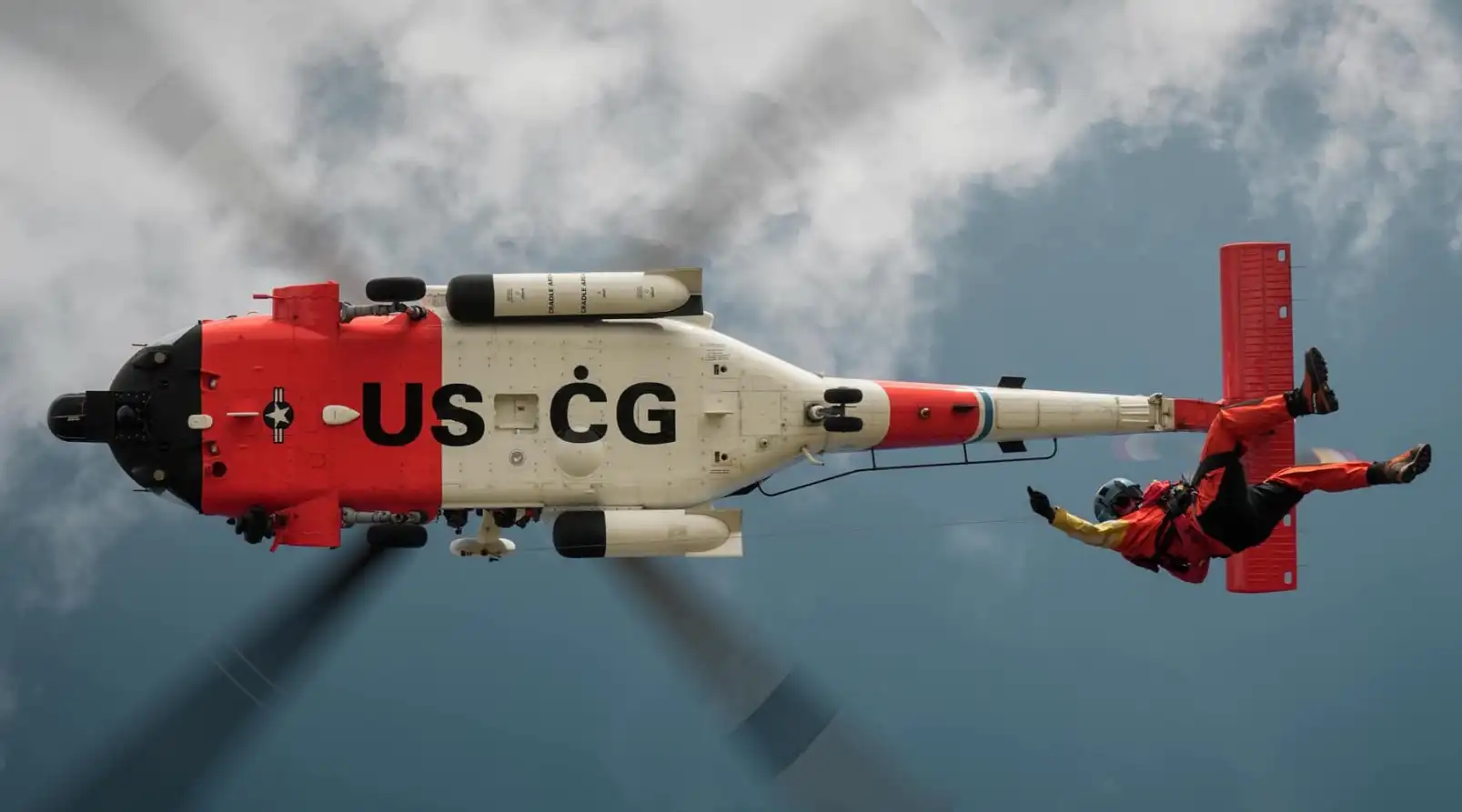
Its reputation for toughness has made it the workhorse of Coast Guard aviation for decades, capable of flying long-distance rescue missions over the Bering Sea, the Gulf of Alaska, and remote mountain ranges.
That said, training mishaps are a constant reminder of the inherent risk service members face daily to keep America’s maritime frontiers safe. Every Coast Guard member flying out of Air Station Sitka understands that their mission could turn dangerous in a matter of seconds—yet they do it anyway, a testament to their grit and readiness.
The uncertainty surrounding Monday’s crash has renewed calls for ensuring that aging aviation assets used in extreme conditions receive proper maintenance support.
Under President Trump’s prior administration, significant funding was directed toward rebuilding military aviation readiness.
Supporters of this effort have warned that bureaucratic belt-tightening in recent years has again begun to strain readiness budgets, even for essential aviation units like those based in Alaska.
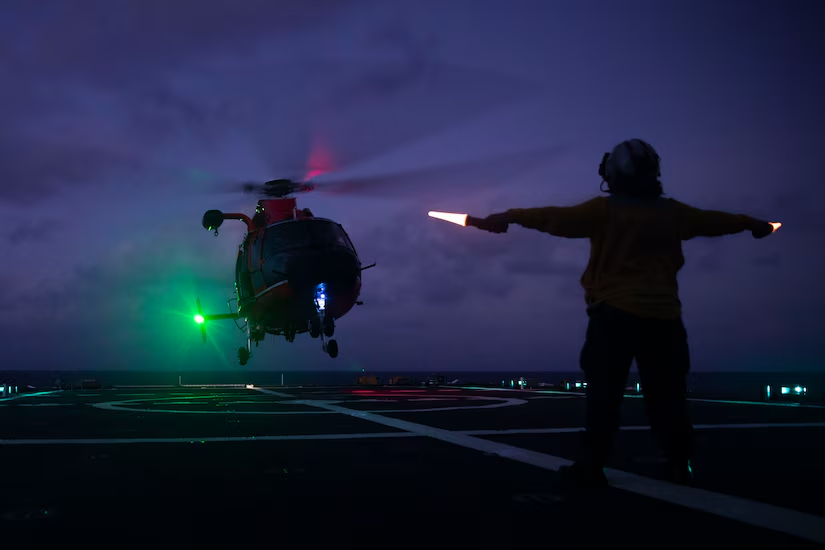
A service member directs an MH-65E Dolphin helicopter during routine nighttime flight operations aboard the Coast Guard cutter Munro in the South China Sea, Aug. 23, 2023. The Munro is deployed to the Indo-Pacific to advance relationships with ally and partner nations.
The Coast Guard’s Arctic District command center will lead the investigation into what went wrong, coordinating with aviation safety experts and maintenance specialists.
They will look at flight data, weather conditions, and mechanical logs to determine whether this was a technical malfunction, pilot issue, or environmental factor.
Locals near Sitka reported hearing a loud thud just after 10 a.m., followed by the sound of aircraft engines cutting off.
Heavy fog reportedly blanketed the area throughout the morning, a possible factor in the crash. Mountain rescue personnel praised the speed and professionalism of the responding teams, noting that the recovery and transport to the hospital were conducted quickly despite tough terrain.
For the Coast Guard family, incidents like this hit close to home. Every crew member knows that training in Alaska is as real as it gets—isolated, dangerous, and often unpredictable. Yet that same environment forges some of the most capable aviators and rescue professionals in the world.
As the investigation begins, one fact is clear: four American servicemen are alive today after their helicopter went down in the Alaskan wilderness.
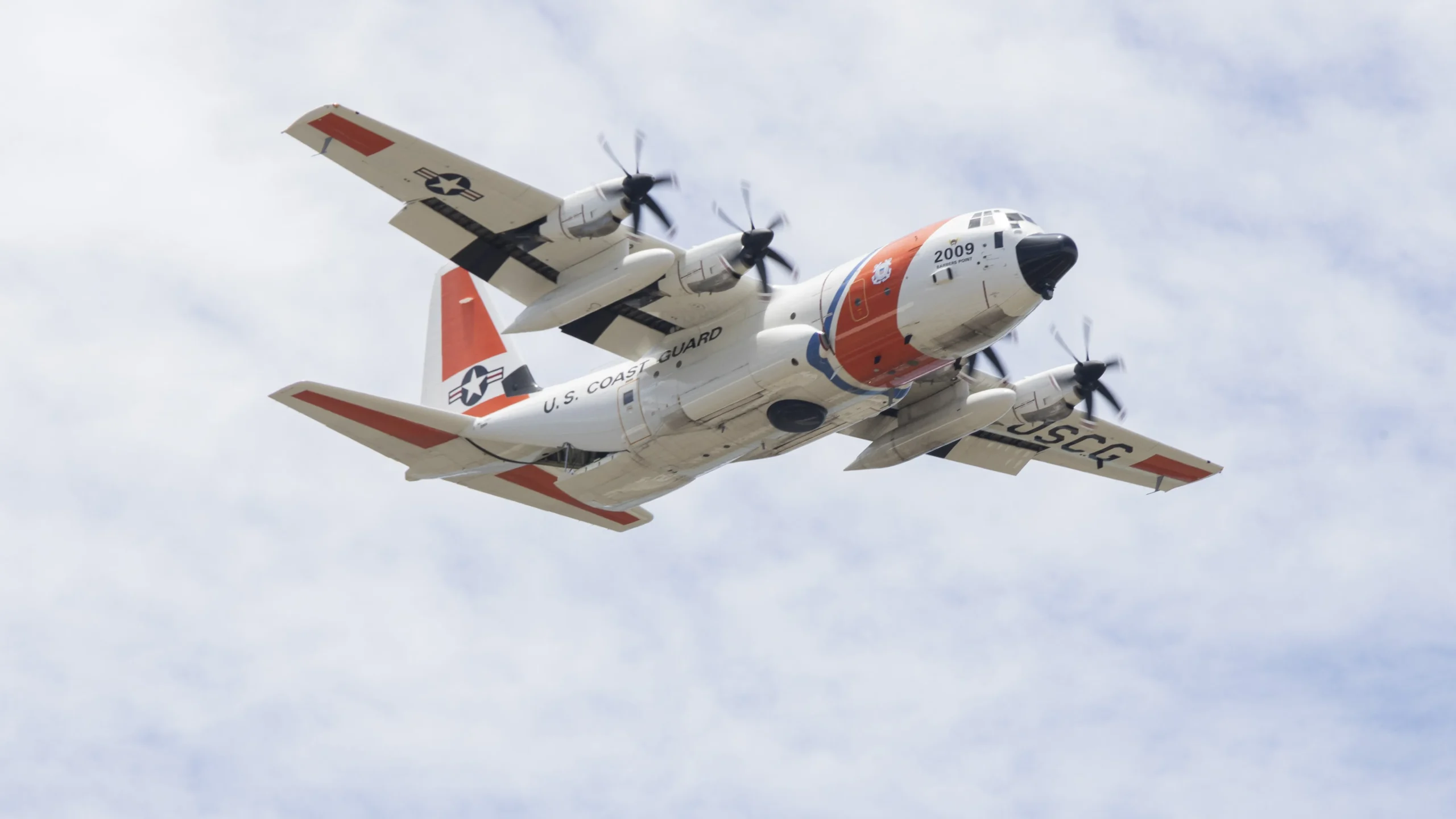
Credit goes not only to their courage but also to the swift response of their teammates who refused to back down until everyone was found. That’s the spirit of the U.S. Coast Guard—quiet professionalism, relentless training, and the refusal to leave anyone behind, no matter the conditions.
The Department of War and the nation’s military leadership will no doubt be closely reviewing the outcome of this crash.
With increased emphasis on Arctic operations and northern readiness, those responsible for maintaining America’s military readiness have no time to spare when it comes to protecting the lives of those who serve.