The global race to build cheaper anti ballistic weapons is no longer a future procurement debate.
It is happening now, driven by depleted stockpiles, brutal missile barrages, and the plain fact that million dollar interceptors cannot be treated like unlimited inventory.
For decades, the U.S. made Patriot system and its PAC 3 interceptor have been the gold standard for stopping ballistic missiles.
That reputation was earned the hard way, because shooting down a ballistic missile is often described as hitting one bullet with another bullet, except the other side keeps firing more bullets.
The urgency accelerated after President Donald Trump made a blunt pledge during the NATO summit in Ankara earlier this month.
“We’re going to give a license to you to make Patriots. That’s pretty cool. This way, you can’t complain that we’re not giving ‘em enough,” Trump said.
That comment, delivered in classic Trump fashion, helped kick open a door that the bureaucracy had kept locked for years.
Five days later, Ukraine and nine European nations launched a coalition in Paris to develop Freyja, a new Patriot style anti ballistic system built around a Ukrainian interceptor that could cost roughly one fifth of a Patriot round.
Then Lockheed Martin rolled out its own lower cost Patriot option, the PAC 3 Adapted Capability Effector, known as ACE.
On Wednesday, the War Department awarded Lockheed another $53.86 billion for PAC 3 production, lifting the multiyear deal to as much as $58.62 billion and aiming to triple production capacity by the end of 2030.
The reason for the scramble is not complicated.
A new analysis by the Center for Strategic and International Studies estimates American forces fired at least 1,060 to 1,430 Patriots during the U.S. Israeli war with Iran, at roughly $3.9 million each, draining an estimated two thirds of America’s prewar Patriot inventory.
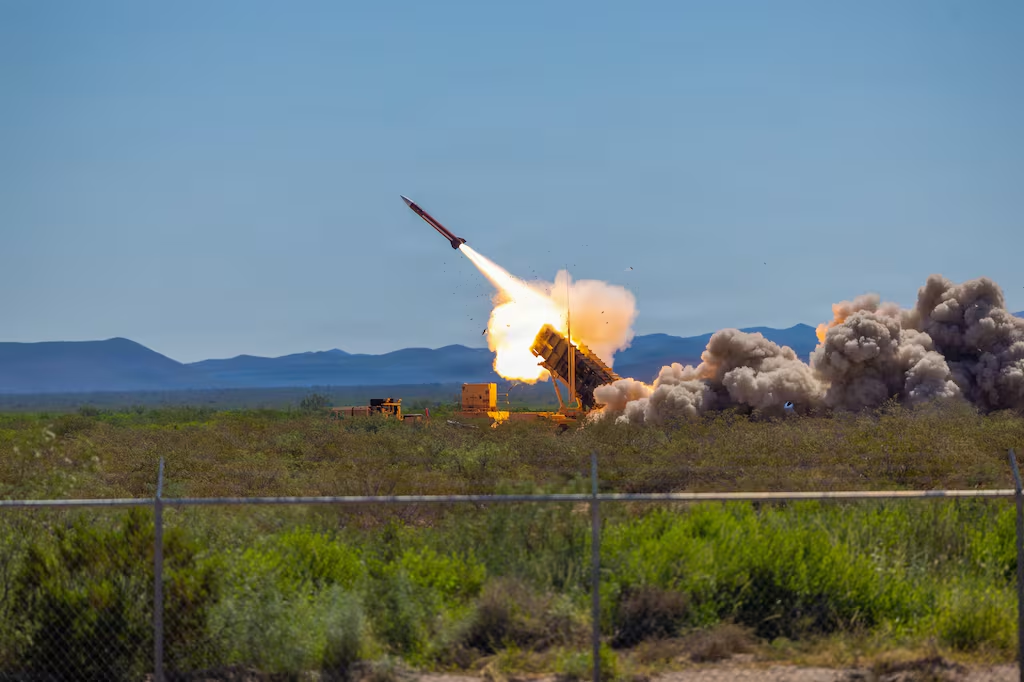
Ukraine’s war has added another brutal lesson. Kyiv can still counter many Russian threats, but ballistic missiles remain the hardest problem, and Patriot interceptors remain the scarce munition everyone wants until the bill arrives.
The current Patriot system pairs radar, command posts, and launchers with multiple interceptor families. Lockheed builds the PAC 3 MSE, the hit-to-kill round used against ballistic missiles, while Raytheon builds the older PAC 2 GEM T, which is better suited for aircraft and cruise missiles.
The PAC 3 MSE has proven itself in Ukrainian hands against Russian Iskanders, modified S 300s, and even the air launched Kinzhal, which flies at hypersonic speeds.
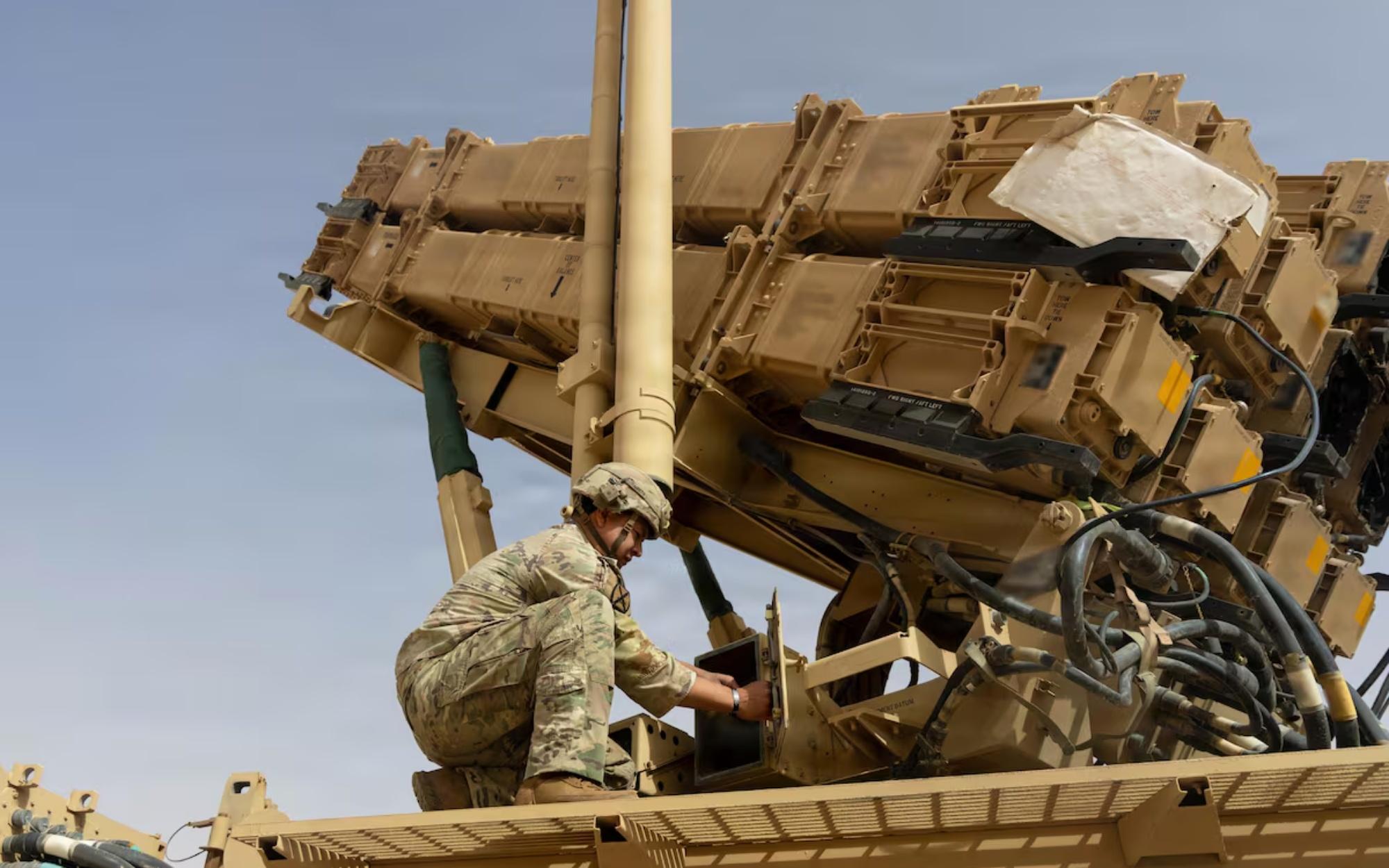
“This is a once-in-a-generation moment, and we are moving with wartime urgency to deliver the Arsenal of Freedom,” Lockheed chairman and CEO Jim Taiclet said in a statement.
Trump’s licensing pledge could make Ukraine only the second country outside the United States allowed to build Patriot missiles, after Japan.
Germany, the Netherlands, and Spain are working on joint production, while Berlin is pursuing its own license arrangements.
For Ukraine, the license would likely apply to missiles rather than full Patriot batteries, and may begin with final assembly from imported component kits.
Poland has offered to host production for obvious security reasons, because putting a fresh missile line inside easy Russian striking distance would be the kind of planning only a committee could love.
“It is about securing this production, so that this production takes place in a safe location,” Polish Deputy Defense Minister Magdalena Sobkowiak Czarnecka said in Washington on July 23.
Ukrainian President Volodymyr Zelenskyy said after meeting Lockheed representatives that “Our teams are already working on specific solutions to move to joint production as soon as possible.”
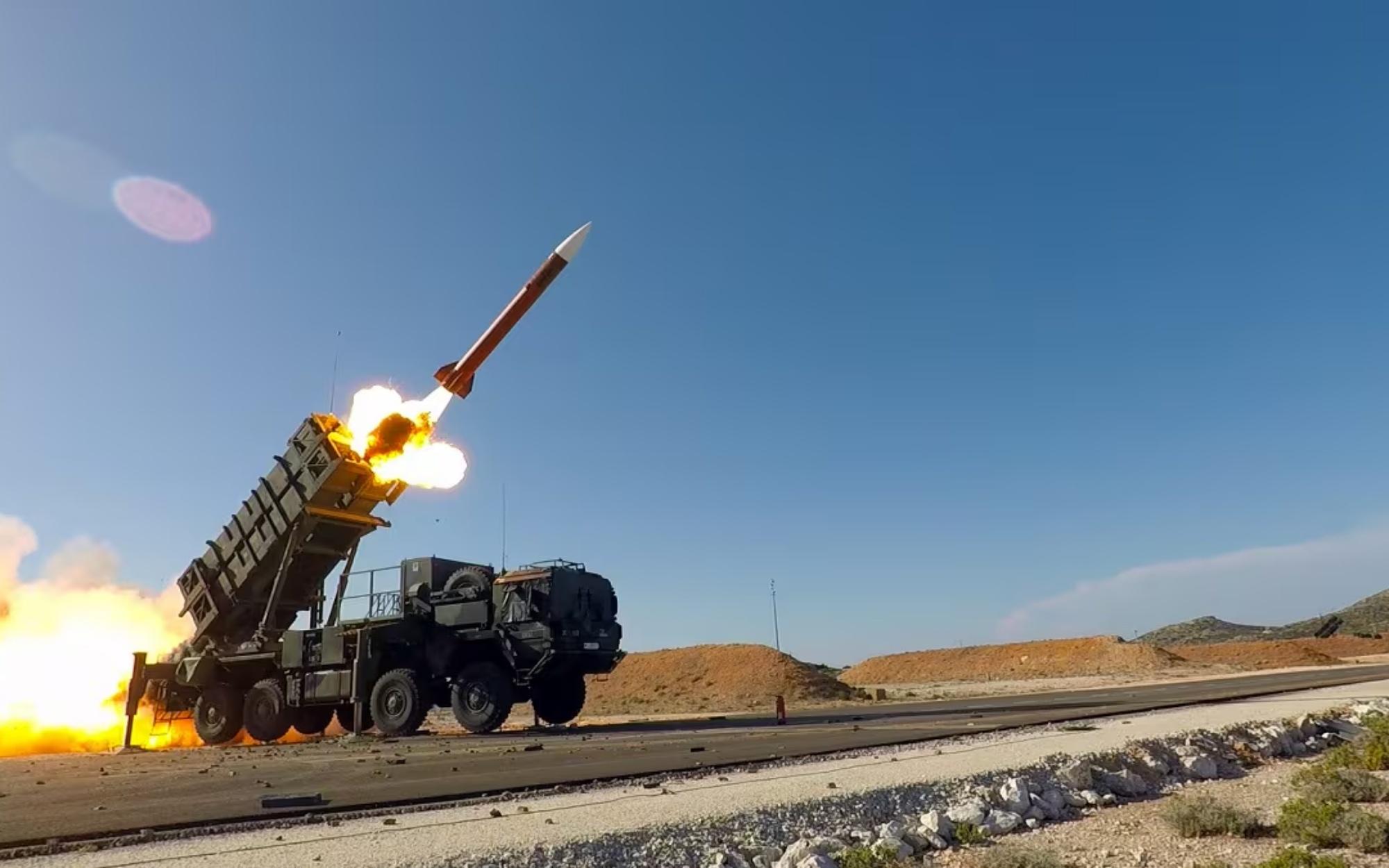
Still, licensed Patriot production will not be cheap. The PAC 3 would remain close to $4 million per shot, and Ukrainian officials estimate a pilot line may take 18 to 24 months before weapons start coming off it.
Zelenskyy wants the schedule tightened. “We expect that by the end of 2026, our Ukrainian team will have the technical capability to produce U.S. missiles,” he said on July 15.
Freyja is the more ambitious alternative, a complete anti ballistic system with interceptor, launcher, radar, and command network. Zelenskyy called it “an analogue of Patriot, but a system for more mass production and a cheaper system.”
The Fire Point designed FP 7.X interceptor flew for the first time in early June and is meant to destroy ballistic targets around 15 miles up with a high explosive fragmentation warhead.
Its projected cost is about $700,000 per interceptor, which is why Europe suddenly looks very interested.
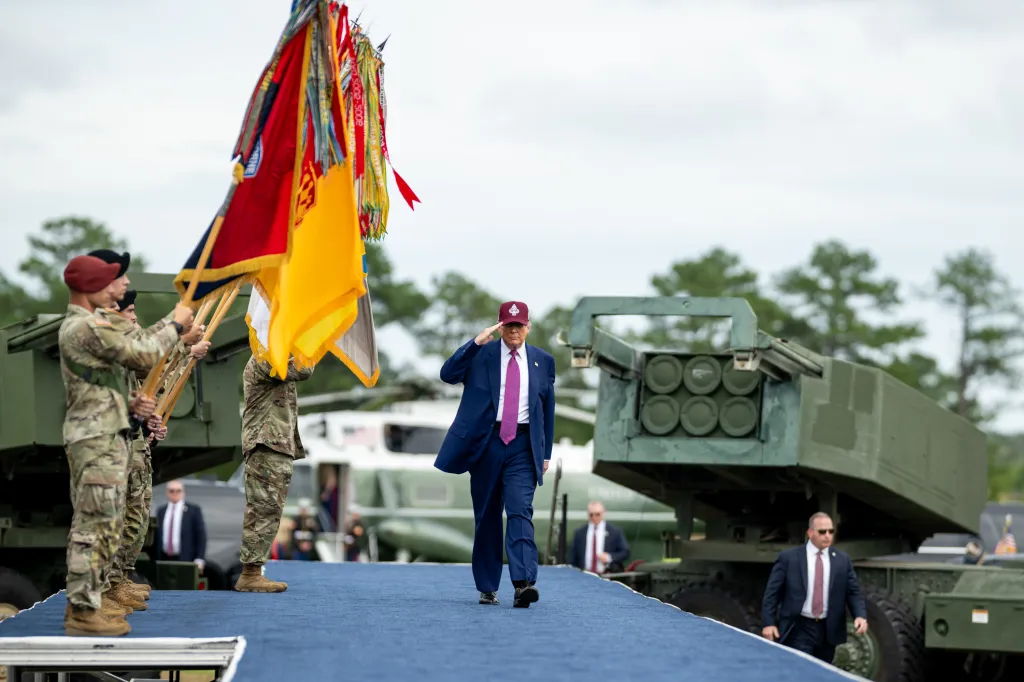
“We have an ambitious goal: to have an MVP ready by the first half of next year,” Davyd Aloian, deputy secretary of Ukraine’s National Security and Defense Council, told Reuters. “That is a prototype that can already demonstrate its first practical results.”
Lockheed’s ACE is another path, aimed at air breathing threats, cruise missiles, and close and short range ballistic missiles.
“American and allied warfighters need a solution that is battle-tested and budget-smart, and PAC-3 ACE delivers exactly that by building on the unrivaled performance of the PAC-3 MSE,” said Tim Cahill, president of Lockheed Martin Missiles and Fire Control.
The first ACE flight is expected in early 2028, with international production under consideration and a price advertised at less than half of an MSE.
The strategic takeaway is simple enough: the West needs more interceptors, cheaper interceptors, and faster production, because hostile regimes do not pause their missile programs while Washington enjoys another procurement seminar.