The Navy is moving another massive piece onto the national security chessboard, announcing $76.6 billion in contracts for the next wave of Columbia class ballistic missile submarines and Virginia class attack submarines.
For once, Washington is putting serious money behind something that actually matters: American deterrence, undersea dominance, and the nuclear triad that keeps hostile regimes from getting too adventurous.
The War Department is awarding $29.5 billion to General Dynamics Electric Boat for five Columbia class submarines.
Another $42.1 billion will go toward nine Virginia class submarines built by General Dynamics Electric Boat and Huntington Ingalls Industries Newport News Shipbuilding.
An additional $5 billion is being set aside for nuclear shipbuilding programs and shipyard infrastructure at both builders. That part matters because even the most advanced submarine designs do not mean much if the industrial base cannot build them on time.
“This historic investment underscores the department’s continued commitment to undersea superiority and the recapitalization of our nuclear triad,” said Vice Adm. Robert Gaucher, director of submarine programs.
“By securing the continuous production of both the Columbia and Virginia classes, we ensure we will continue to deliver the world’s most lethal, survivable and resilient combat platform.”
That is not Pentagon poetry. That is the basic reality of great power competition, where China is building ships at a staggering pace, Russia is still leaning on nuclear intimidation, and America cannot afford to let its submarine fleet age into irrelevance.
The Navy says it currently has seven Columbia class submarines under contract. It also has 26 active Virginia class submarines, with 23 more already lined up for future construction.
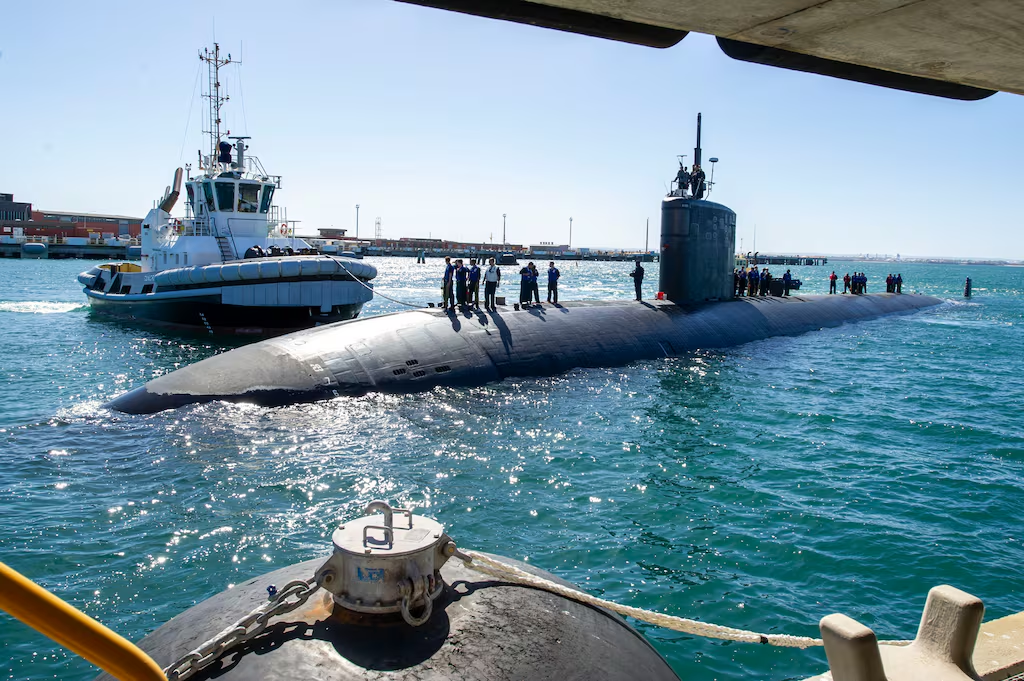
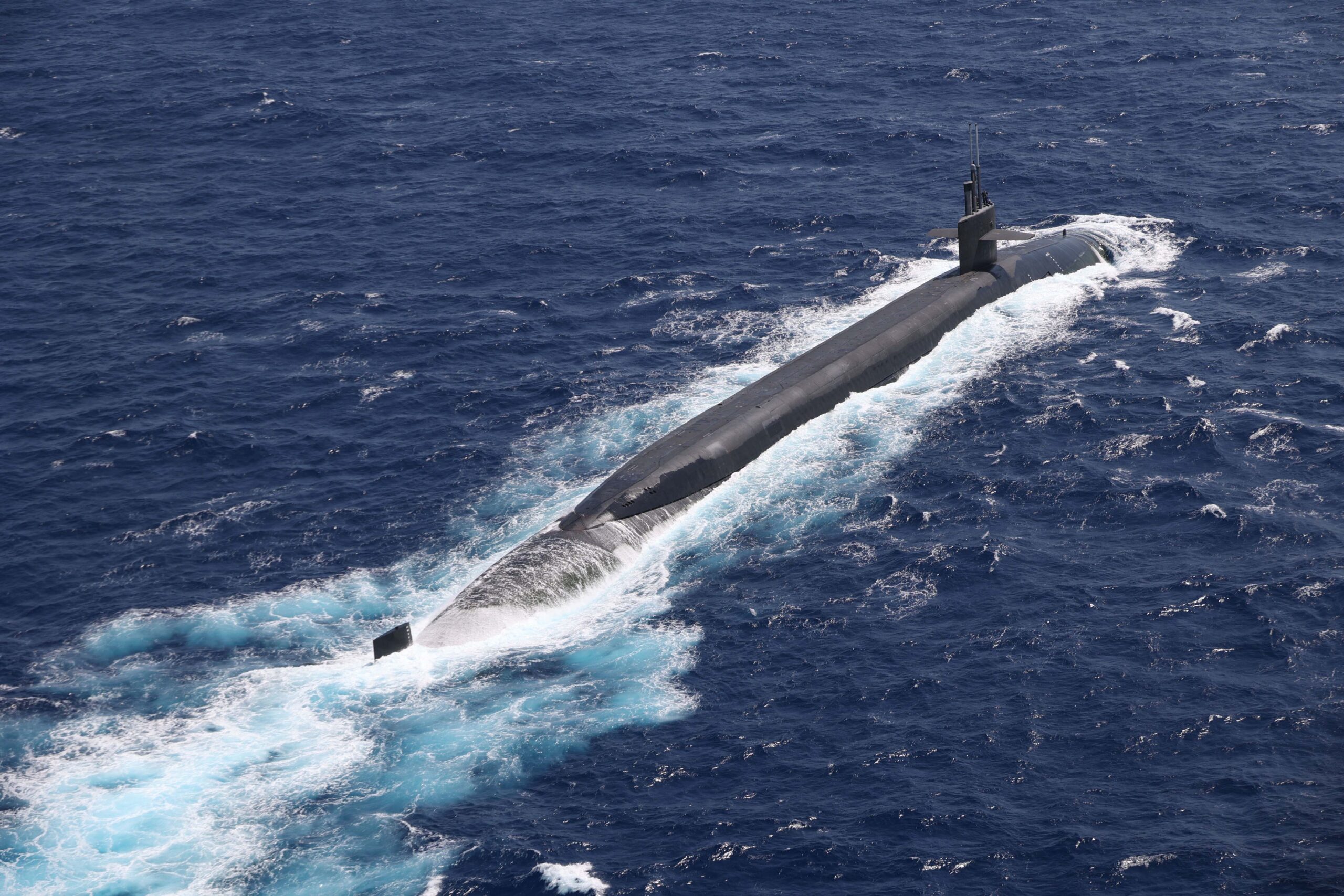
The Columbia class has become one of the Navy’s top priorities over the past several years because it is intended to replace the aging Ohio class ballistic missile submarines.
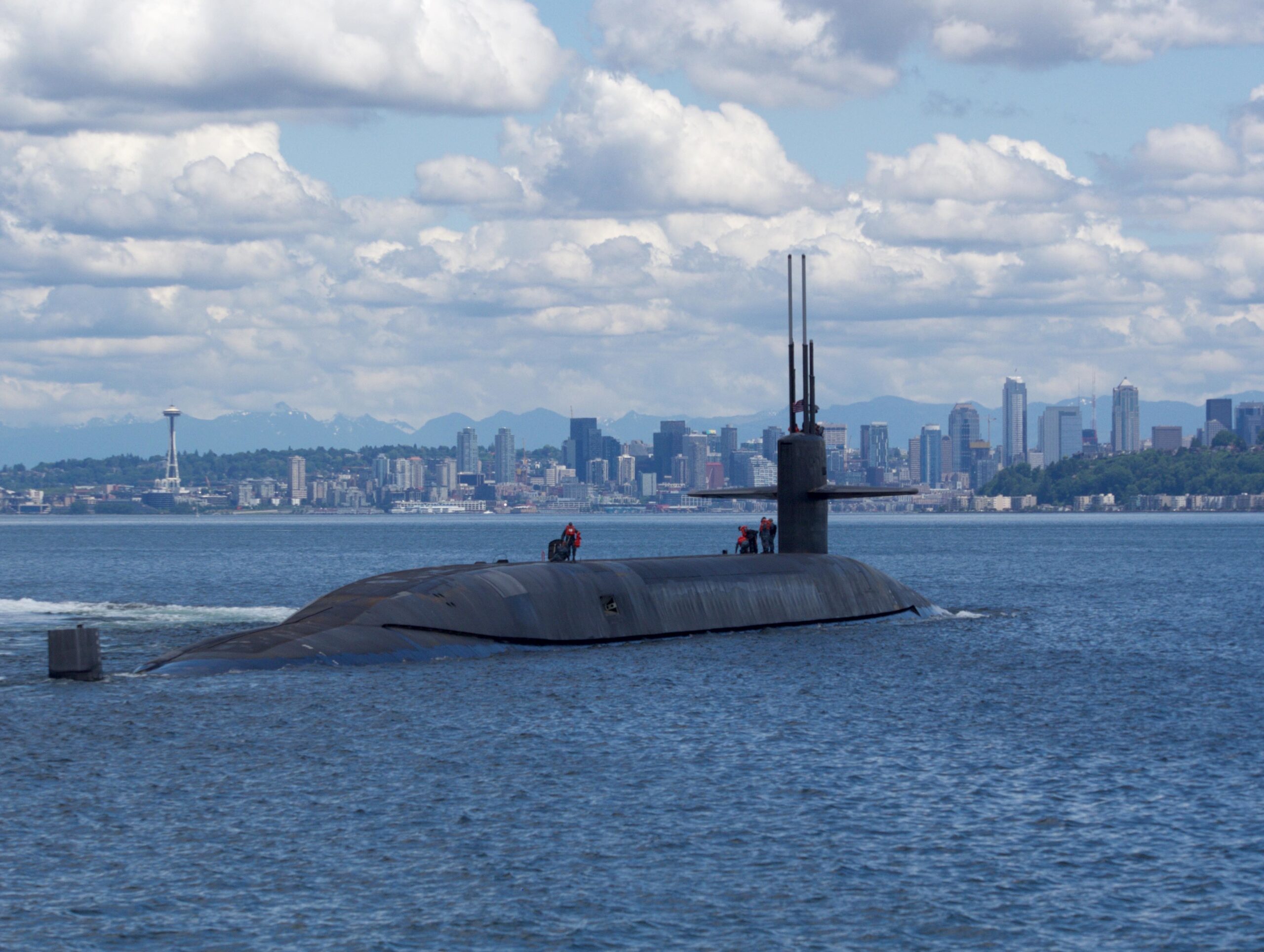
Those Ohio boats have carried a huge share of America’s strategic deterrent mission for decades, quietly lurking beneath the waves with enough firepower to make any enemy think twice.
The Ohio class is not exactly going gently into retirement. One Ohio class submarine participated in military strikes against Iranian nuclear facilities during Operation Midnight Hammer on June 22, 2025, a reminder that undersea power is not some museum piece from the Cold War.
The Columbia class is expected to bring greater stealth, survivability, and missile capability than the boats it replaces.
It is also expected to carry the Trident II D5 Strategic Weapons System and eventually support hypersonic missiles, giving America a sharper edge in the places where deterrence is measured in seconds.
Construction on the Columbia class began in 2020, but the program has not been free of headaches. The lead submarine was originally expected in 2027, but delivery has moved to 2028 after problems tied to steam turbines and the vessel’s bow and stern, according to USNI News.
That delay is exactly why long term production contracts and industrial base investment matter.
The country cannot snap its fingers and produce nuclear submarines, despite what some committee room dreamers in Washington might assume between cable news hits.
Government watchdogs warned early that the program could face schedule trouble.
A January 2023 report from the U.S. Government Accountability Office raised concerns because General Dynamics Electric Boat had not conducted a “schedule risk analysis.”
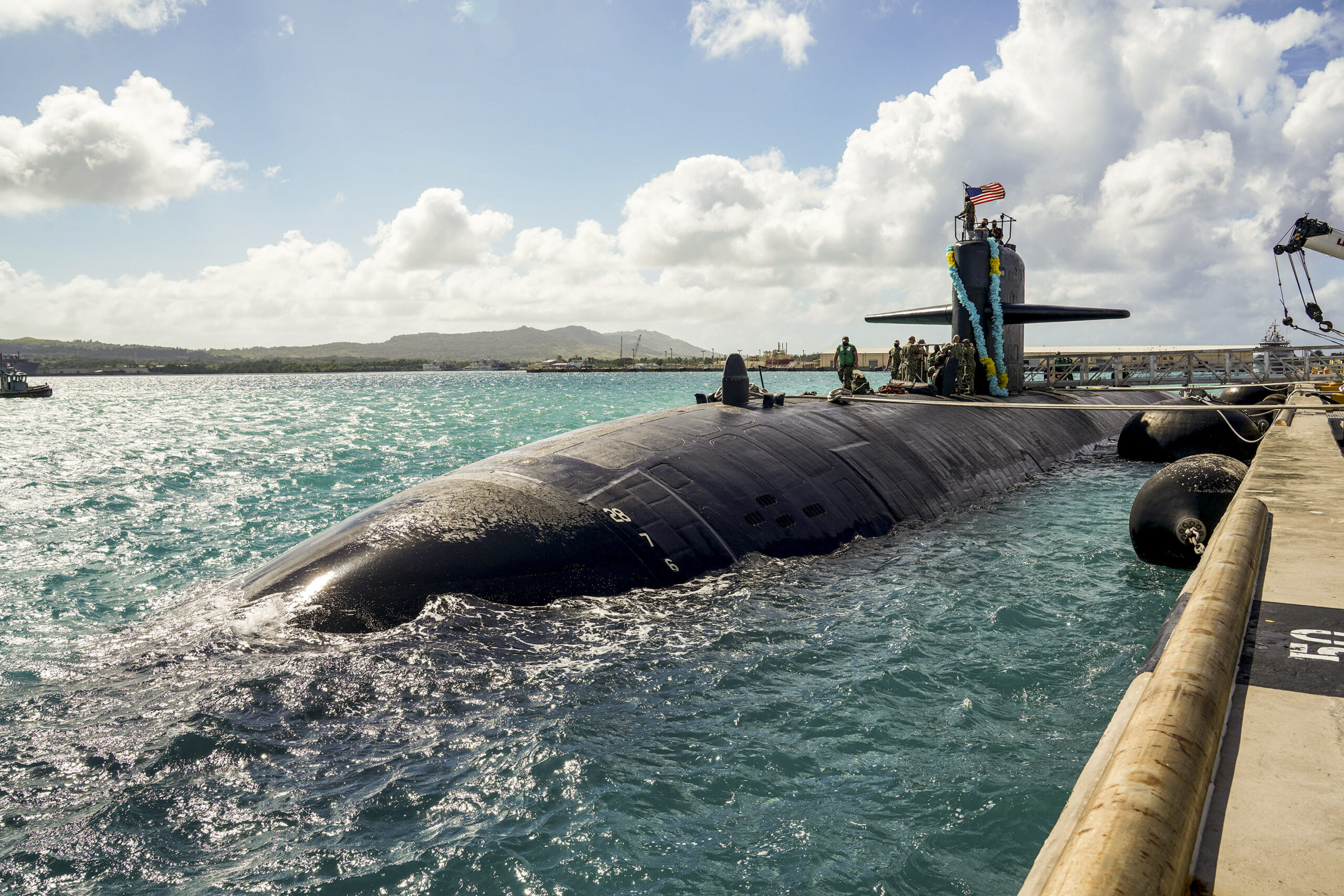
The Virginia class, meanwhile, is already a proven workhorse. Its lead ship launched in 2003, and the class was designed to replace the Los Angeles class submarines that helped define American undersea operations for a generation.
Virginia class submarines are built for a wide range of missions, from intelligence collection to strike warfare to supporting special operations forces.
Their reconfigurable torpedo rooms allow commandos to operate during long deployments, which is exactly the kind of quiet flexibility America needs in contested waters.
The Navy’s fiscal 2027 budget request totals $378 billion and includes funding for one Columbia class submarine and two Virginia class submarines. That request shows the service is trying to keep both the strategic deterrent and the attack submarine force moving at the same time.
The big question now is whether the shipyards can deliver at the speed the threat environment demands. Contracts are important, but steel in the water is what counts when Beijing, Moscow, and Tehran are watching.
This investment is a serious bet on American sea power, and it comes at a time when weakness is expensive and deterrence is priceless.
If the Navy and the War Department can keep the program on track, these submarines will help ensure that America’s enemies keep looking over their shoulders beneath the surface.