CNN host Dana Bash’s effort to corner United Nations Ambassador Mike Waltz over President Trump’s media ban took an awkward turn when Waltz answered with the record of the prior administration and the rules governing press access, as reported by The Gateway Pundit.
The exchange centered on Trump’s decision to bar CNN, MSNOW, and Politico from the White House.
Trump announced the action Friday on Truth Social, accusing the three outlets of constantly reporting “FAKE NEWS.”
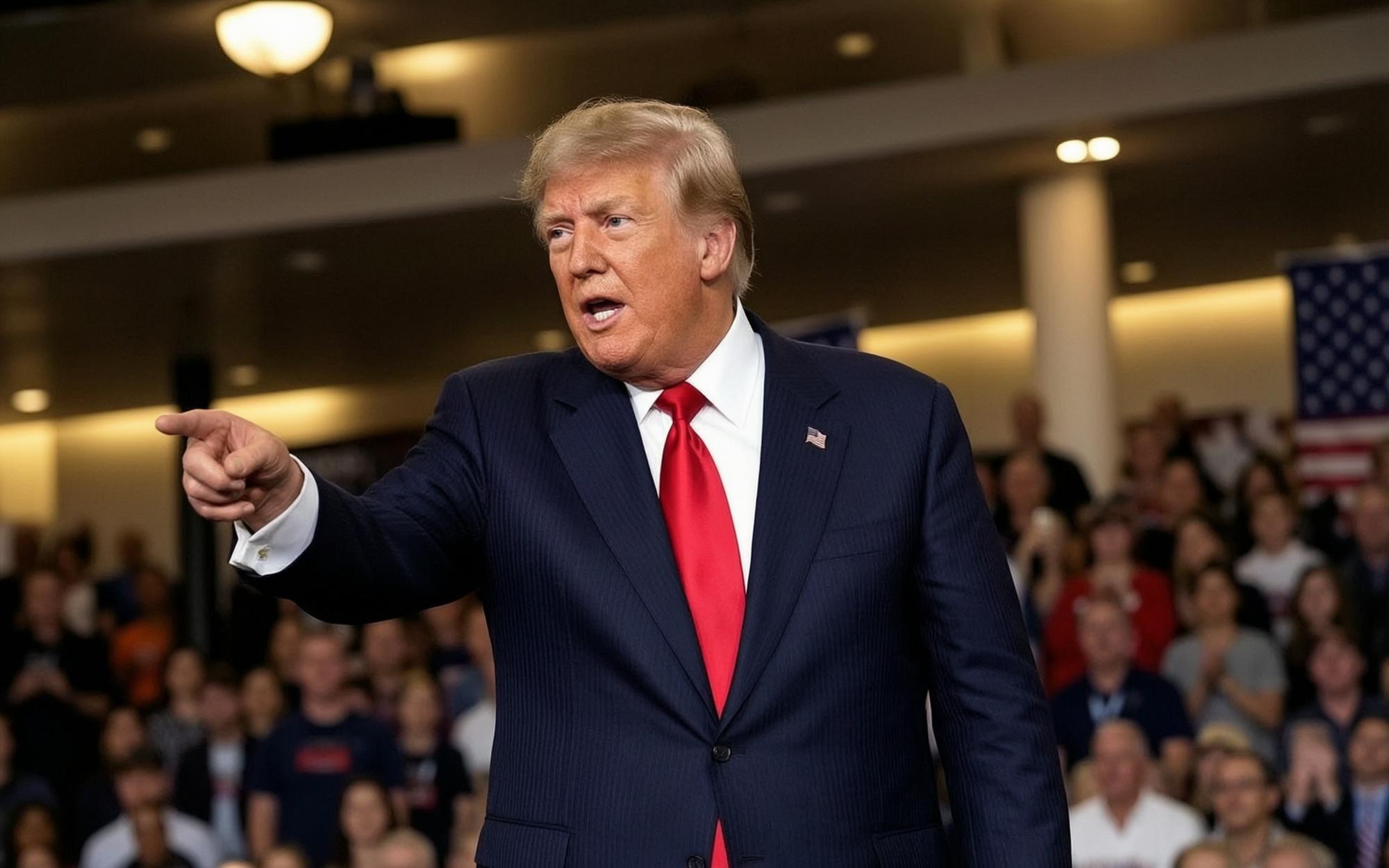
Trump then followed through on the announcement.
Reporters from all three organizations attempted to enter the White House grounds, but their press passes did not work, and the passes were confiscated.
They were shocked by the move.
Bash responded by questioning Waltz and attempting to shame him over the ban, even comparing Trump’s actions to those of Communist China.
That comparison did not leave Waltz scrambling for an answer.
Instead, he pointed directly to the Biden administration’s treatment of conservative media organizations and journalists who had been prevented from entering the White House grounds.
Waltz noted that CNN did not raise the same objections when conservative organizations were being excluded. Those organizations, he said, have now been permitted onto the facility under Trump.
“The prior administration limited all kinds of journalistic outfits and journalists they had deemed right-wing. Those have now been allowed onto the facility, and the president doesn’t believe others are acting in good faith.”
His response shifted the discussion away from Bash’s attempted scolding and toward the media’s own conduct.
Waltz argued that certain organizations publish damaging reports based on questionable sourcing, then issue corrections that receive little attention.
Waltz specifically referenced a recent one that relied on anonymous sources while citing someone who was dead.
He said the media should examine its own standards and practices before objecting to Trump’s decision.
“I just saw one using anonymous sources referencing someone who’s dead. Take a good, introspective look at itself and its practices. It throws things out there, then puts a little baby correction nobody pays attention to, and it sticks to people like napalm.”
The ambassador’s criticism focused on a familiar media pattern described in the source: sensational reporting receives broad attention, while a later correction barely registers.
Waltz said the original claims continue clinging to their targets even after a quiet correction appears.
Bash’s challenge also ran into Waltz’s legal argument about access to government facilities.
He said media organizations possess the right to publish and speak, but that right does not automatically entitle them to enter a particular government building.
“The Supreme Court has been very clear in multiple cases going back to the 1960s (regarding) your right to publish and speak rather than having access to any government facility.”
Waltz therefore separated the ability of CNN, MSNOW, and Politico to report on the White House from any claimed entitlement to operate inside the White House facility.
His answer directly addressed Bash’s effort to portray the ban as something broader than an access decision.
Bash continued to frame Trump’s action as a response to unwanted coverage.
Yet after Waltz cited the prior administration, attacked corporate media practices, and invoked Supreme Court cases, she acknowledged that his response had left her struggling to answer.
“I’m just at a loss for words, especially when the president decides he just doesn’t want negative reporting.”
Her response did not engage Waltz’s point about conservative journalists being excluded by the prior administration.
It also did not answer his criticism of reports that spread widely before corrections are quietly attached later.
The confrontation left Bash confronting an uncomfortable double standard on her own network.
She came prepared to shame Waltz over Trump’s treatment of CNN, but Waltz answered by reminding her that conservative outlets had faced exclusion without the same outrage from CNN.
Trump’s ban remains focused on CNN, MSNOW, and Politico, the three organizations named in his Truth Social announcement.
Waltz’s response made clear that the administration does not accept the idea that every media organization is automatically entitled to physical access inside the White House.