An alarming mechanical failure aboard the Ohio-class ballistic missile submarine USS Nebraska sent 64 sailors to medical centers in Washington state after a backup diesel generator malfunction filled parts of the vessel with exhaust fumes.
The incident occurred while the submarine was moored at Naval Base Kitsap-Bangor, a critical site for America’s nuclear deterrent fleet positioned west of Seattle.
According to Lt. Zachary Anderson, spokesman for Submarine Group 9, the crew was performing a routine pier shift on June 22 when the generator discharged diesel exhaust into the enclosed compartments.
The fumes quickly spread, forcing sailors and contractors to evacuate and seek medical help. Symptoms ranged from coughing and dizziness to nausea and severe throat irritation.
Six sailors were hospitalized but have since been released after receiving treatment. Navy officials emphasized that the submarine’s nuclear systems were not affected by the malfunction, and the reactor remained fully secure throughout the event.
Even so, the situation has prompted scrutiny on submarine maintenance procedures and emergency protocols within the War Department’s fleet logistics system.
Crew members acted swiftly, ventilating the submarine’s atmosphere and providing immediate medical assistance to those showing signs of exposure.
The unit returned to normal operations after the area was cleared. The Navy stated that an investigation is underway to identify the precise cause of the malfunction and to implement corrective actions to ensure it does not happen again.
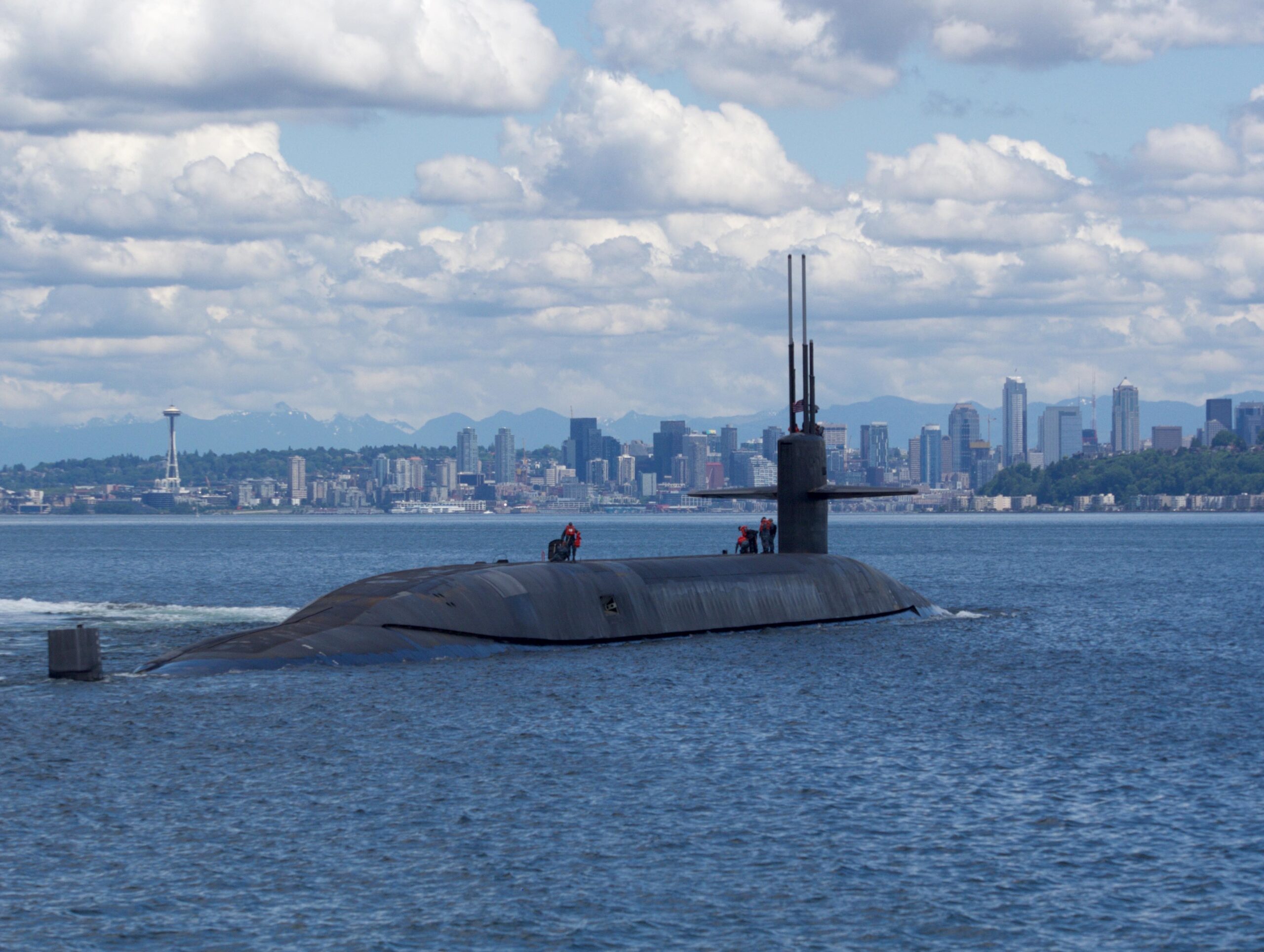
The USS Nebraska is one of eight Ohio-class ballistic missile submarines homeported at Kitsap-Bangor. These subs are among the most critical assets in the nation’s strategic arsenal—each capable of carrying Trident II D5 ballistic missiles, forming an essential leg of America’s nuclear triad.
Any incident aboard a vessel of this importance raises valid questions about ship readiness and maintenance standards in a time when near-peer competitors like China and Russia continue to modernize their own forces.
The malfunction comes as the Navy transitions from the venerable Ohio-class to the new Columbia-class ballistic missile submarines. The Navy plans to base up to eight of the next-generation Columbia subs at Kitsap-Bangor by the early 2030s.
The first of these, the USS District of Columbia, is already under construction.
These submarines—measuring an impressive 560 feet and weighing 20,810 tons—will be the largest ever built by the United States, carrying the nation’s nuclear deterrent well into the latter half of this century.
Navy officials recently outlined a $250 million modernization effort at Kitsap-Bangor to prepare the pier facilities for the arrival of Columbia-class subs.
The upgrades are aimed at supporting the heavier, more technologically advanced submarines with updated power, refueling infrastructure, and security measures. The diesel exhaust incident serves as an unwelcome reminder that even during modernization, existing systems demand rigorous oversight.
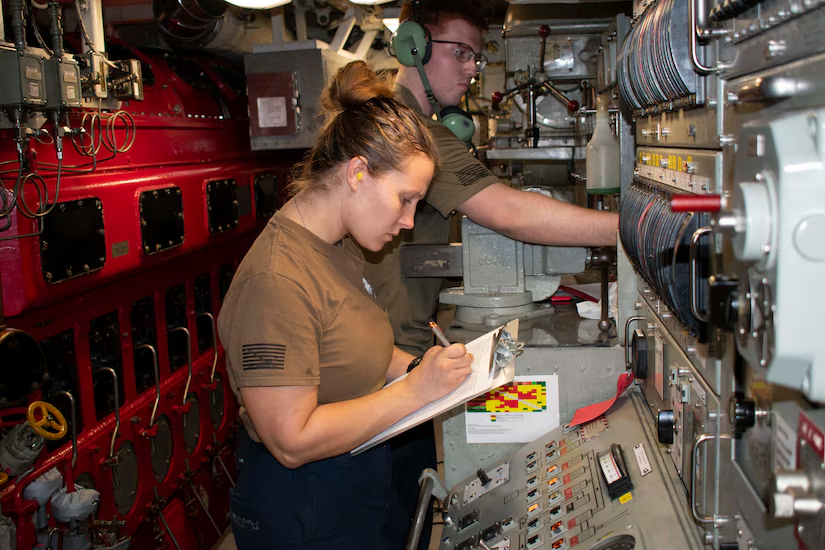
The mishap also highlights a broader concern across the fleet—aging equipment in older submarines that continue to serve as the backbone of U.S. nuclear defense.
These vessels operate under extreme conditions where confined air quality management is non-negotiable. A glitch in the generator or an overlooked maintenance issue can instantly turn dangerous, especially in the tight quarters of a submarine.
As the investigation continues, lawmakers and defense watchers will likely be asking whether the War Department’s shipyard maintenance schedules and safety checks are keeping up with the operational tempo.
Prolonged maintenance periods, funding constraints, and environmental regulations have all placed strain on shipyard efficiency, especially in the Pacific Northwest where permitting delays have been common.
The sailors’ quick response prevented a potentially deadly situation.
Yet, the Navy’s acknowledgment that dozens needed medical attention underscores how critical redundant safety systems are aboard submarines designed to remain hidden and independent underwater for months at a time. Even a brief exposure to fumes on land raises serious implications for submerged operations.
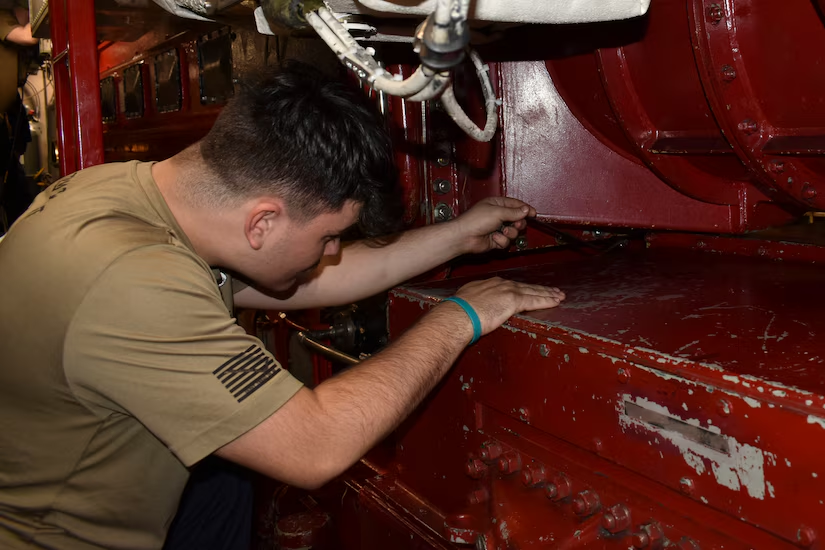
While some naval analysts are describing this as an isolated incident, others note that recurring mechanical mishaps—particularly involving backup systems—suggest larger maintenance shortfalls that must be addressed before the Columbia fleet enters service.
America’s deterrent strength relies not only on advanced weaponry but also on the simple guarantee that every part of each vessel functions as intended.
At a time when national security requires peak readiness across all domains—air, land, sea, cyber, and space—a preventable malfunction that sickens 64 of our sailors should serve as a wake-up call.
President Trump and War Secretary Pete Hegseth have made it clear: America’s military isn’t just to be strong—it must be the best maintained fighting force on Earth.
If that means rethinking priority funding to keep our submariners safe and systems reliable, then it’s a worthwhile investment.
The USS Nebraska remains operational, and the fleet continues its deterrent patrols without interruption. But this incident won’t be easily brushed aside.
It’s a fresh reminder that readiness starts not in war games or briefings, but in the maintenance bays and engine rooms where American power quietly stays alive beneath the waves.