The House overwhelmingly approved temporary spending legislation Tuesday, moving Washington away from another government shutdown just before existing federal funding was scheduled to expire.
The vote gives agencies, service members and federal law enforcement some breathing room while Congress wrestles with its unfinished appropriations work.
Lawmakers passed the funding extension by a commanding 370 to 48 vote.
The measure keeps federal agencies operating through Dec. 11 and now heads to President Donald Trump for his signature.
The Senate passed the same legislation on Aug. 8, clearing the way for quick final action once the House returned to the matter.
Its broad support reflected little appetite in either party for another politically damaging shutdown.
The legislation prevents a repeat of last year’s uncertainty, when a government shutdown placed military paychecks in doubt.
American troops should never be used as bargaining chips because lawmakers cannot complete the most basic responsibility of funding the government.
Congress needed the temporary measure because it has not finished any of the 12 annual spending bills required to finance government programs.
Those measures cover everything from homeland security and federal law enforcement to energy, housing and the War Department.
The full fiscal year runs from Oct. 1, 2026, through Sept. 30, 2027. Instead of completing those bills on schedule, lawmakers once again turned to a temporary continuing resolution that postpones the hardest spending decisions.
Congress has been consumed by bitter fights since the beginning of Trump’s second term.
Republicans control the House and Senate, while the Democratic minority has repeatedly battled the administration and GOP lawmakers over immigration enforcement, federal spending and the direction of the government.
Those clashes produced three partial government shutdowns totaling an unprecedented 161 days.
The disputes centered heavily on health insurance subsidies and Democratic demands for additional checks on the enforcement powers of federal immigration officers.
This time, neither party wanted to enter the November elections carrying responsibility for a fourth shutdown. Voters are already frustrated by expensive food and housing, the American war against Iran and tariffs on foreign goods that have landed particularly hard on farmers.
The political reality was not exactly subtle. Lawmakers facing voters apparently discovered that shuttering agencies, threatening troop pay and creating another Washington spectacle might not be the strongest reelection message.
House Appropriations Committee Chairman Tom Cole of Oklahoma addressed the timing during debate over the temporary legislation, commonly called a “continuing resolution.” He made clear that the approaching election played a major role in the push for passage.
“This will give Congress time to get past the November elections,” Cole said, referring to the effort to pass the bill.
His statement captured the practical calculation behind the vote, even if it did little to inspire confidence in Congress’s ability to budget on time.
Representative Rosa DeLauro of Connecticut, the senior Democrat on the appropriations panel, portrayed the legislation as a step toward Congress reclaiming control over federal spending.
Democrats have criticized Trump administration actions since early 2025, including deep reductions across federal agencies and the elimination of the U.S. Agency for International Development.
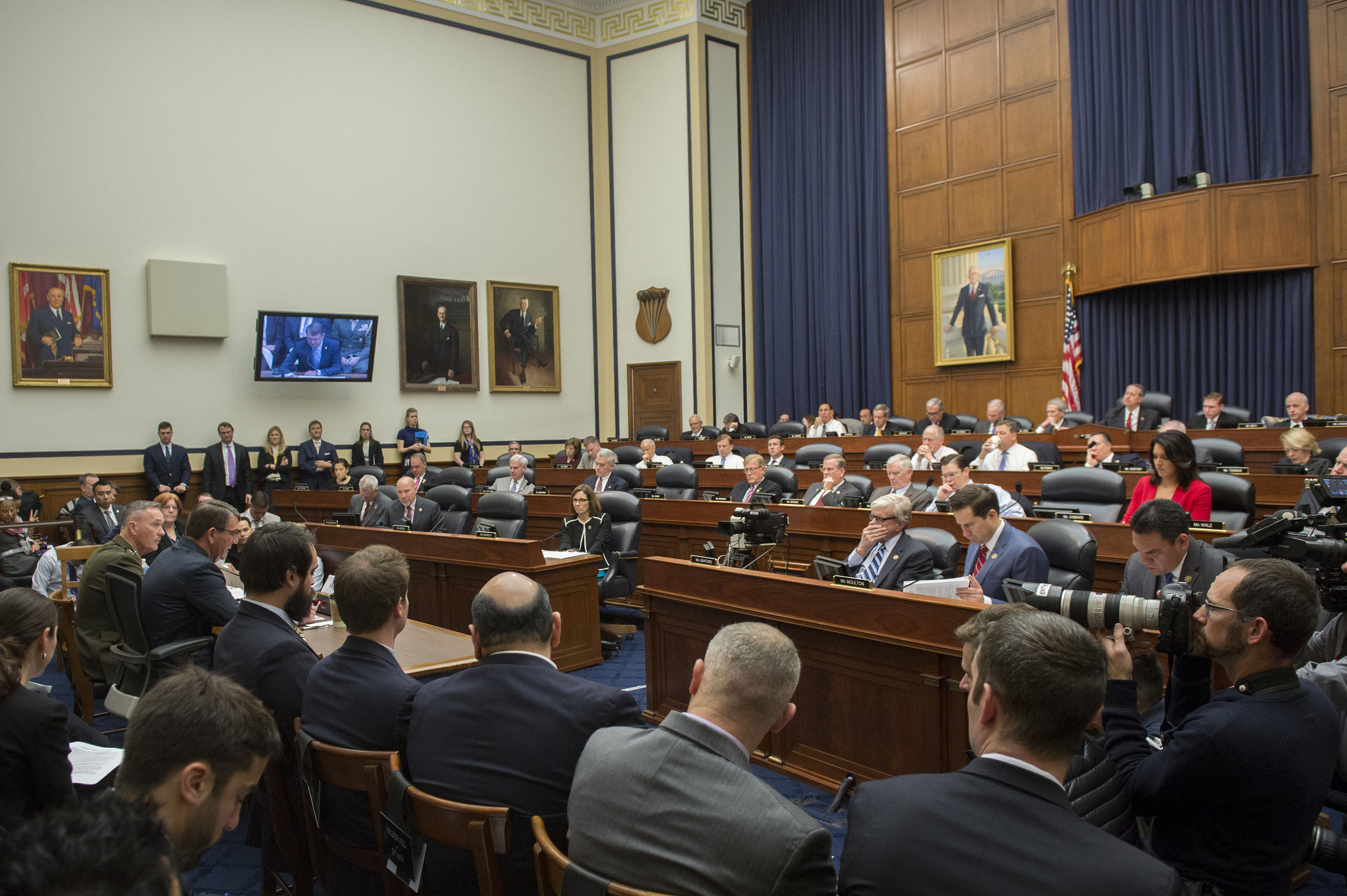
“The power of the purse resides within the Congress. It is our exclusive responsibility,” DeLauro said. She added, “The first step in exercising that authority is passing this bill today.”
The temporary measure may keep the lights on, but it does not resolve Washington’s enormous fiscal problems.
The national debt crossed $40 trillion last month, while Congress has yet to offer voters a convincing answer on affordability or the government’s relentless appetite for spending.
The bill merely delays major decisions for another 15 weeks. When December arrives, lawmakers will face the difficult task of writing, negotiating and passing all 12 full year appropriations bills before the temporary funding expires.
For now, the House vote removes the immediate shutdown threat and protects continuity across the military, homeland security agencies and federal law enforcement.
President Trump is expected to sign the measure, leaving Congress until Dec. 11 to prove it can do more than kick the spending can farther down the road.