The war with Iran has burned through nearly two thirds of America’s Patriot interceptor stockpile in less than six months, according to a new analysis that is setting off fresh alarms about U.S. readiness in the Middle East.
The numbers are not subtle, and neither is the warning for Washington.
The United States and its partners have leaned hard on Patriot and Terminal High Altitude Area Defense systems to shield troops, bases, and allied positions from Iranian ballistic missile attacks.
That air defense effort has largely worked, according to analysts at the Center for Strategic and International Studies.
But success has come with a steep price tag, because shooting down Iranian missiles is rapidly draining some of the most important munitions in the American arsenal.
CSIS analysts estimate that the U.S. now has between 759 and 827 Patriot interceptors remaining. That is roughly one third of the inventory available before the war began.
The THAAD picture is not much prettier. The report estimates that U.S. stocks of THAAD interceptors have fallen to between 234 and 278, down from 452 before the conflict.
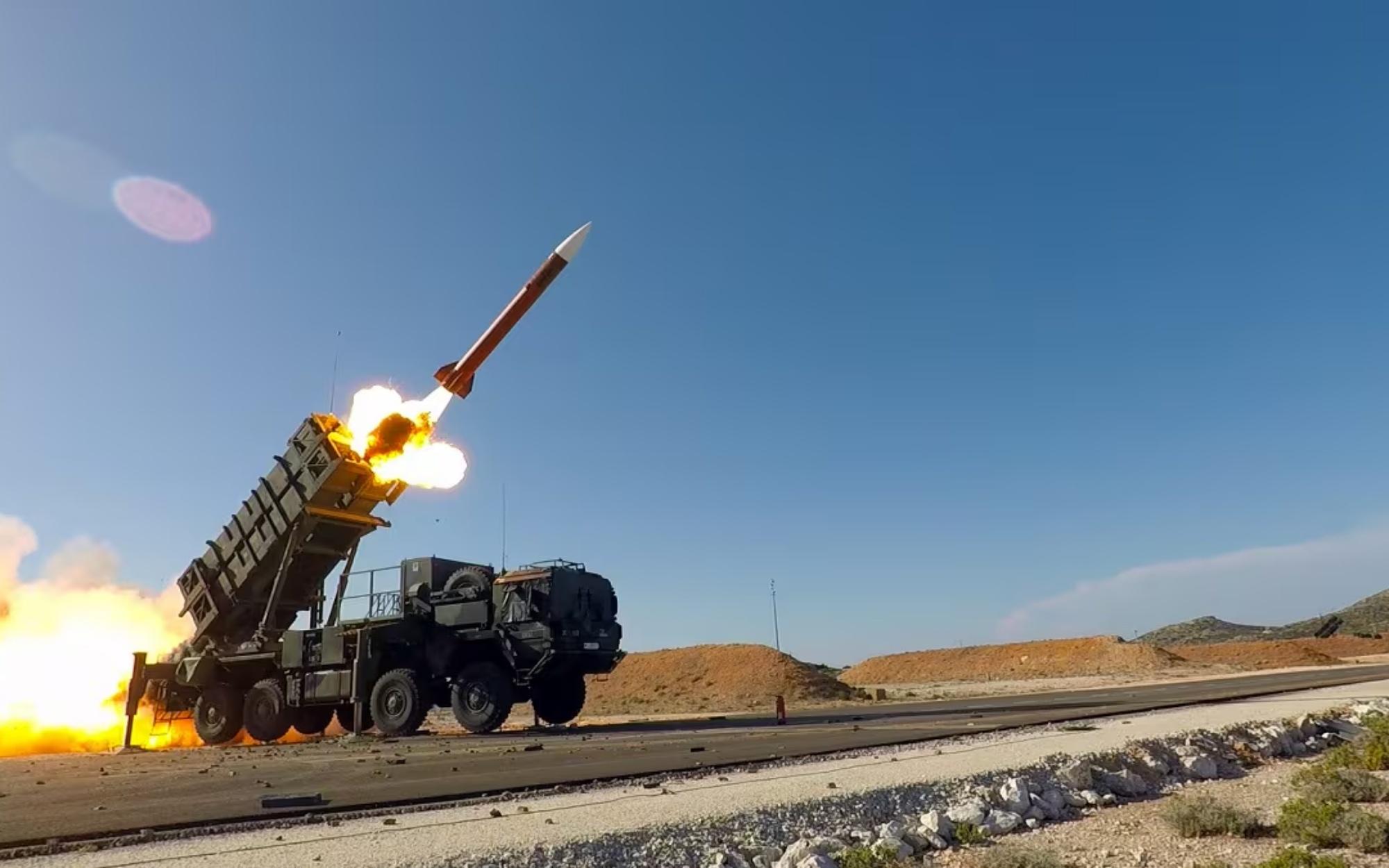
“Diminished stockpiles may force the United States and its coalition partners to take more risks with interceptions,” CSIS analysts Mark Cancian and Chris Park said. “There are no good alternatives to Patriot and THAAD for ballistic missile defense.”
That is the hard reality behind all the briefing room spin. When the enemy fires cheap drones and missiles, and the U.S. answers with multimillion dollar interceptors, even a successful campaign can start chewing through stockpiles at an ugly pace.
The report arrives as the Middle East fight continues to intensify. A tentative ceasefire reached in June quickly collapsed after both sides accused the other of violating the agreement, which is about as surprising as rain being wet when Iran is involved.
President Donald Trump has said he is willing to keep up attacks until Iran agrees to another deal.
That position is classic Trump pressure politics, and it puts Tehran on notice that running out the clock may not be the easy strategy it hoped for.
U.S. Central Command said it carried out a “heavy wave of strikes” Wednesday evening after Iran targeted American forces.
According to The Wall Street Journal, CENTCOM commander Adm. Brad Cooper has also provided Trump with plans for a punishing two week air campaign against Iran.
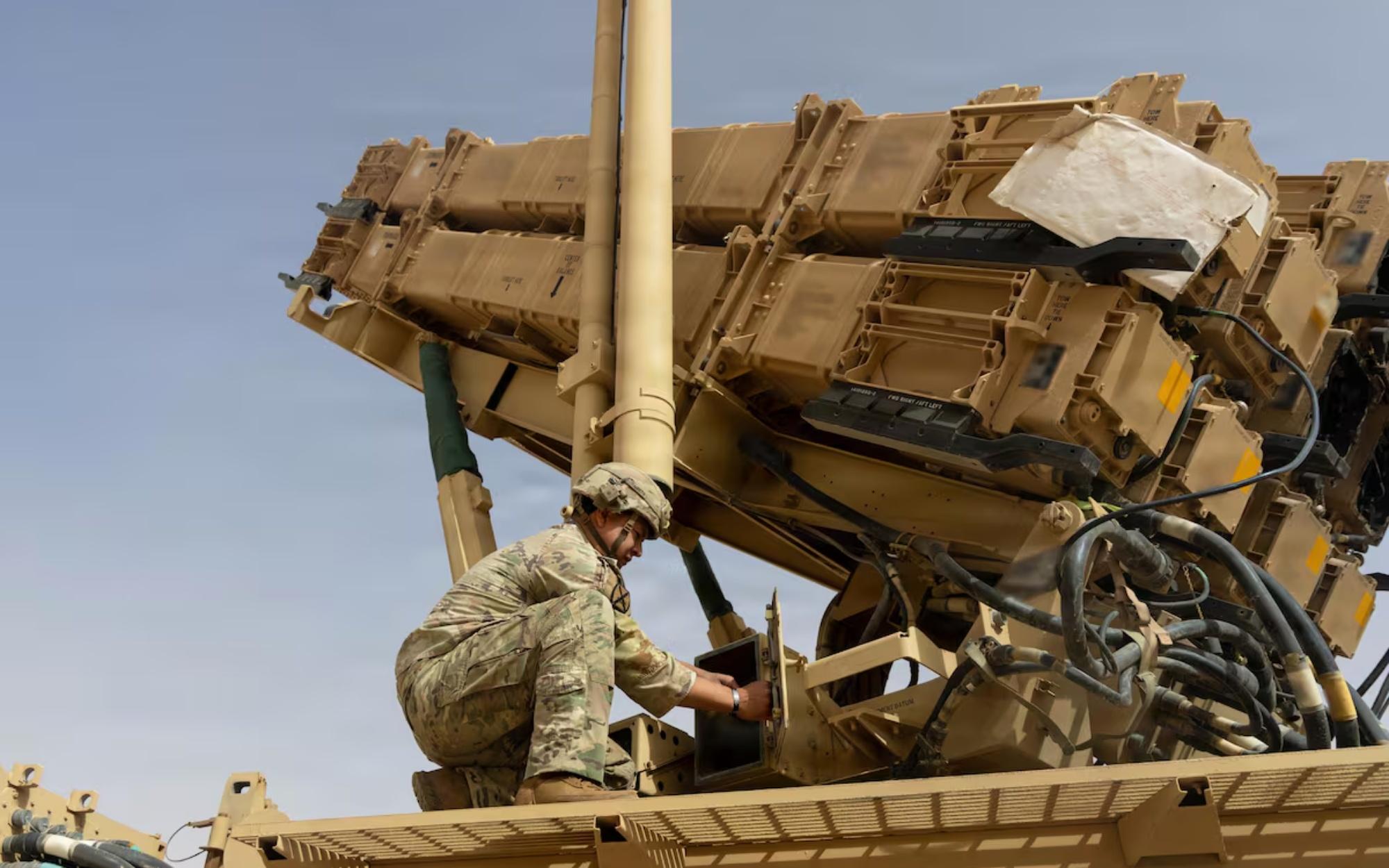
Further escalation could stretch a conflict already consuming large amounts of U.S. munitions.
The war has also driven up global fuel prices, produced casualties among hundreds of American service members, and stirred growing domestic opposition from the usual crowd that discovers restraint only when America is the one defending itself.
For months, U.S. officials have pushed back against reports that interceptor supplies are under strain.
Some have argued that leaking or publishing such details risks national security, which is a fair concern when adversaries in Tehran, Beijing, and Moscow read American media just like everybody else.
Mike Waltz, the U.S. ambassador to the United Nations, told NBC News that the current supply is adequate.
“The U.S. military has everything it needs to conduct this campaign as effectively as it needs to be,” he said. “The people that are leaking this nonsense deserve to be in jail.”
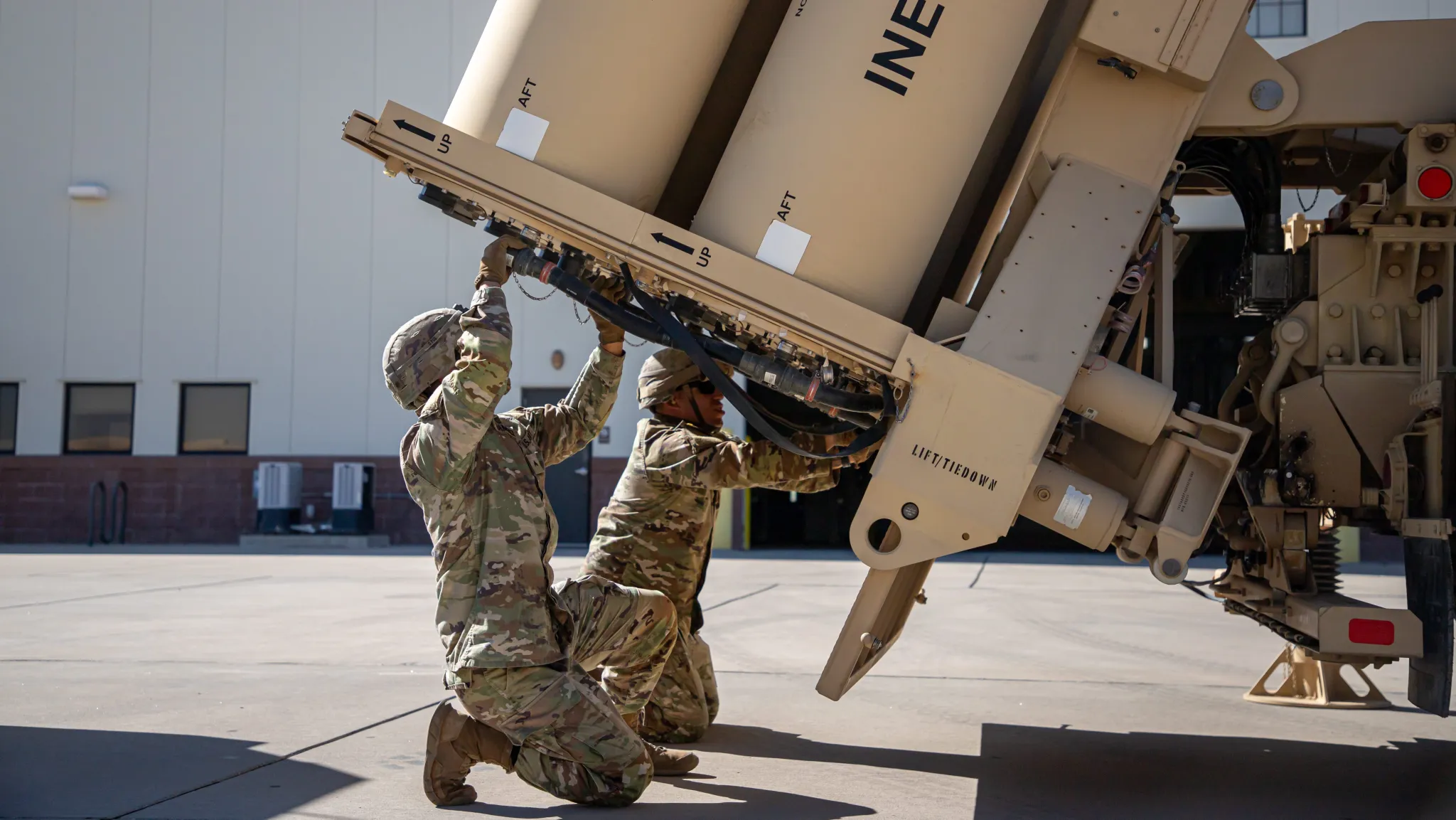
The CSIS analysts said their estimates were based on War Department budget materials for fiscal year 2027 and publicly released information. In other words, they did not need a spy novel plotline to see that America is firing interceptors faster than the industrial base can comfortably replace them.
The economics are brutally lopsided. Iran can build a one way Shahed 136 attack drone for roughly $50,000, while a single Patriot interceptor costs about $4 million.
That imbalance is exactly why Secretary of War Pete Hegseth and the Trump administration face a major industrial challenge.
America cannot deter adversaries with empty launch tubes, and the old swamp habit of slow rolling weapons production looks especially ridiculous when missiles are already flying.
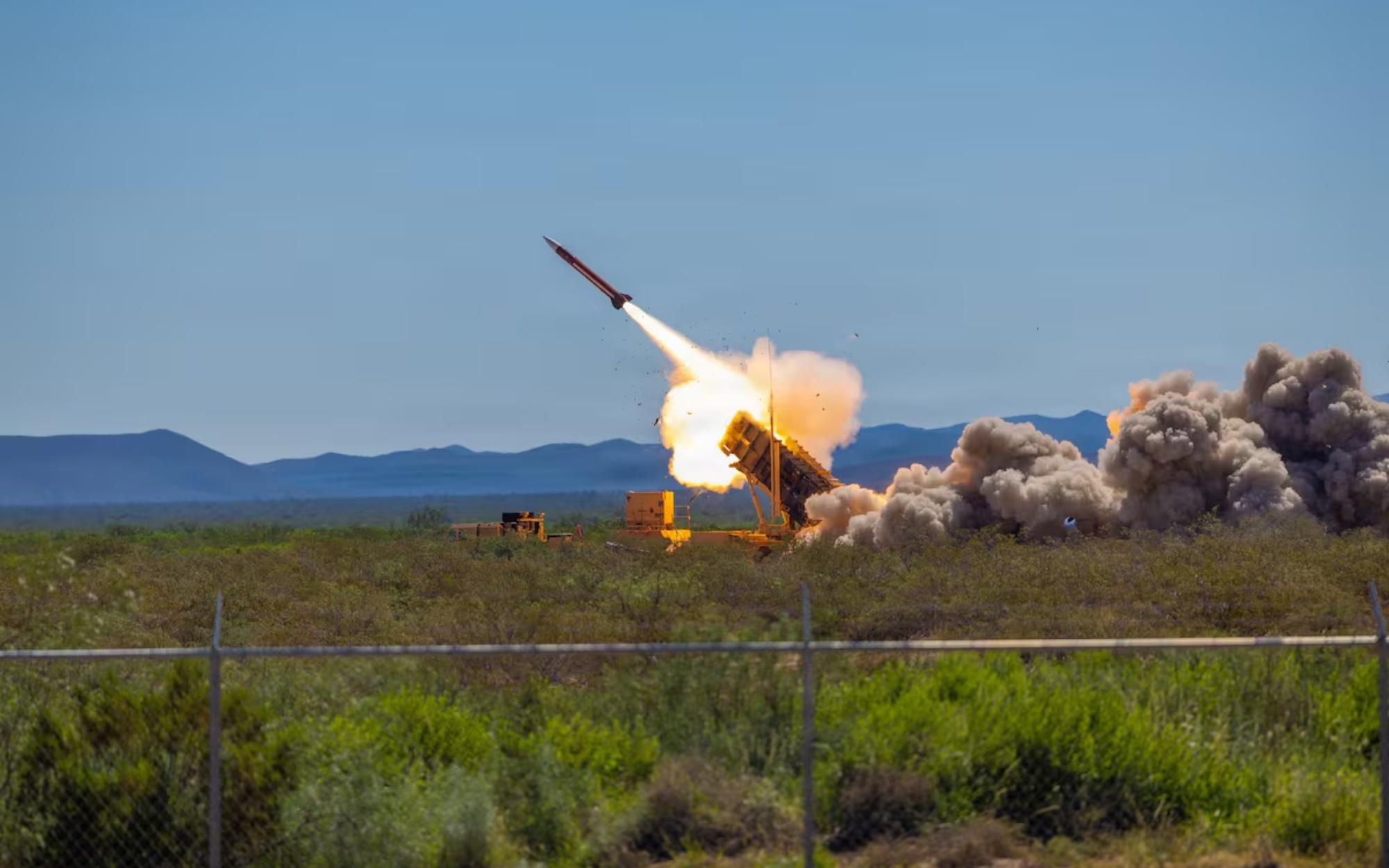
The Army said this week it is expanding a one year contract with Lockheed Martin into a seven year, $58 billion deal to produce Patriot interceptors.
The service said the modification will give manufacturers the demand signal needed to establish production lines and rapidly produce more interceptors where they are needed most.
That kind of long term production push is not optional anymore.
If the United States intends to keep troops protected, allies defended, and Iran contained, the War Department will need more interceptors, faster manufacturing, and far less bureaucratic nap time.