Reports this week revealed that the War Department is seeking a staggering $80 billion in supplemental funding to sustain operations and recovery efforts from the ongoing war with Iran.
The amount, while lower than the Pentagon’s original $200 billion projection, is nearly triple the figure presented to Congress just last month—putting new pressure on lawmakers as America pushes through its latest overseas fight.
Deputy War Secretary Stephen Feinberg reportedly made a round of personal calls to lawmakers last week, laying out the size and urgency of the funding request.
The Wall Street Journal reported the outreach came just as Secretary of War Pete Hegseth made the case in person on Capitol Hill, working to drum up support for what could become one of the most important wartime supplementals in recent memory.
According to reports from The Associated Press, Hegseth’s Capitol Hill meetings set the tone for an intense debate.
The administration knows Democrats in Congress will seize any excuse to drag their feet on the cash infusion that keeps America’s military edge sharp.
Meanwhile, cooler heads recognize the obvious: wars cost money, and under President Donald Trump, the United States isn’t going to run its troops or its bases on empty.
During testimony last month, Hegseth pegged the total costs of the Iran war so far at roughly $29 billion, mostly operational expenses from deployed forces.
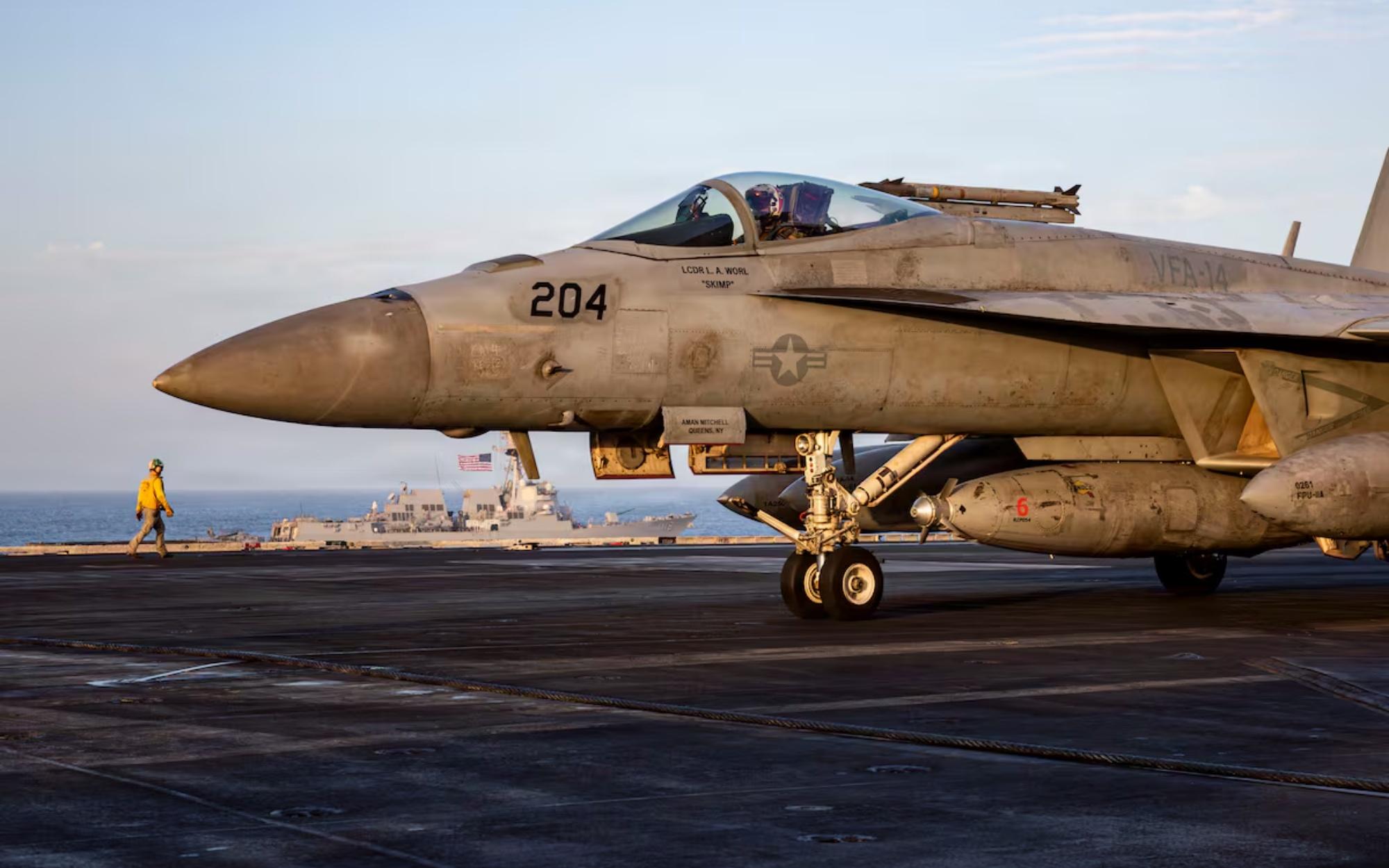
That figure did not include repairs or reconstruction for the American bases hit during Tehran’s early strikes—a reminder that rebuilding capability is as vital as battlefield success.
The new number, $80 billion, not only replenishes the ammunition stockpiles essential for ongoing operations but also ensures readiness in other global hotspots. After all, the United States cannot afford to deplete munitions in one theater only to appear weak in another.
For a war that’s still in delicate negotiations, preparedness remains priority one.
Democrats on the Hill have already started questioning the legal basis of the conflict, despite the Senate’s repeated failure—nine attempts and counting—to pass an anti-war powers resolution aimed at tying the administration’s hands.
These same senators, eager for political points, seem willfully blind to Iran’s aggression and America’s right to defend its interests.

Last week, Washington and Tehran struck a tentative memorandum to pause hostilities and start a 60-day round of talks. Those talks are expected to focus on Iran’s nuclear program and potential easing of sanctions, but officials close to the situation doubt Tehran’s sincerity.
History shows that appeasement gets results when the United States speaks softly but carries a big stick; this time, that stick is built on Hegseth’s warfighter-first philosophy.
Senate Majority Leader John Thune confirmed to reporters that he expects the administration’s formal supplemental proposal soon and pledged to “work through it” quickly. Thune also emphasized that restocking weapon caches remains critical.
With global instability rising, no sane military planner would underfund ammunition replenishment now—and Hegseth’s War Department agrees.
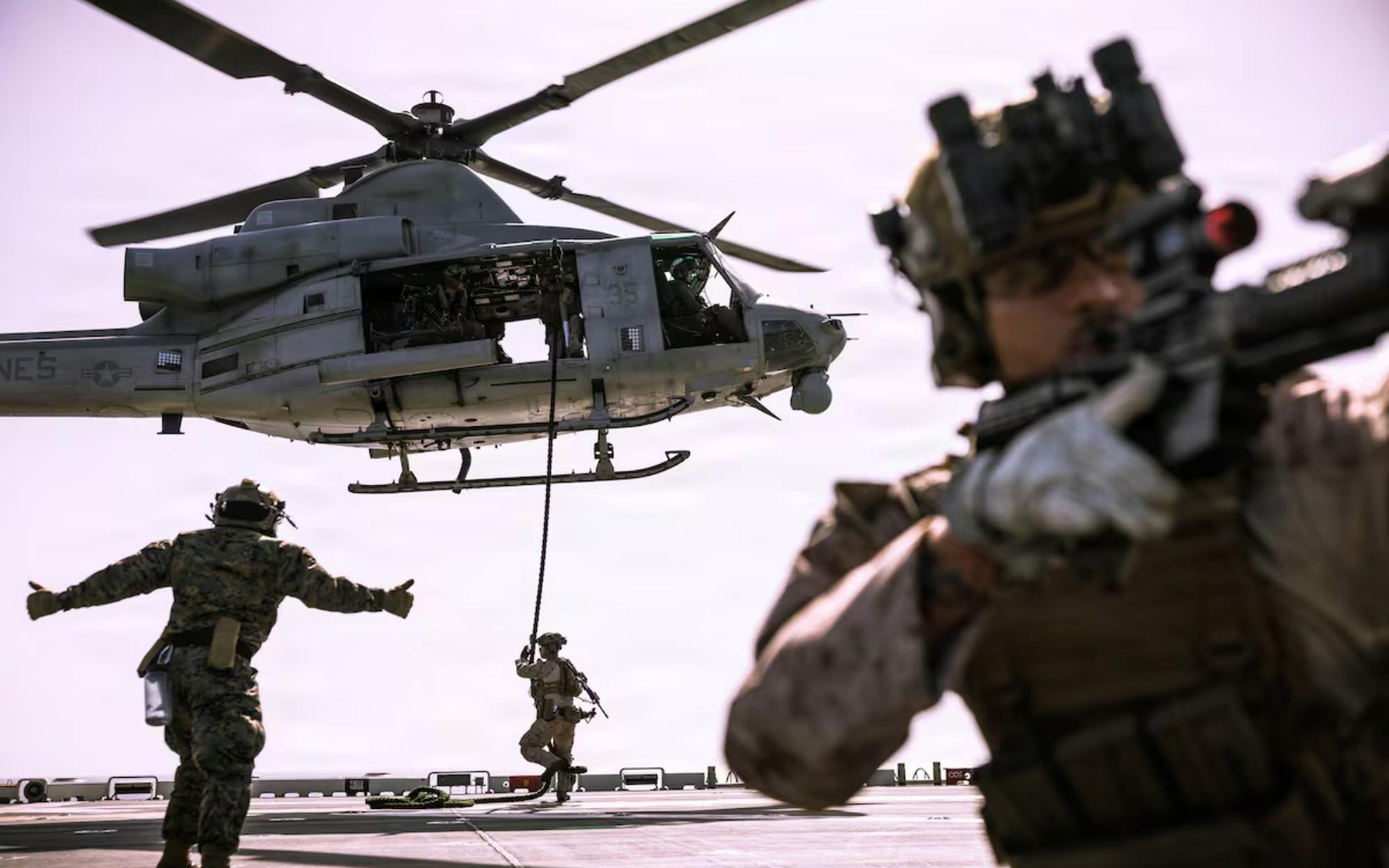
Earlier warnings from naval leadership underscore that urgency. Adm. Daryl Caudle, the Navy’s top officer, told Congress that training cycles or certifications might face scaling back if the money runs dry.
In short, without a swift infusion of funds, the world’s most powerful military could face operational slowdowns—not due to lack of capability or will, but from bureaucratic foot-dragging on Capitol Hill.
The supplemental must still clear the White House’s Office of Management and Budget before being sent to Congress.
With the Pentagon’s current budget already approaching $1 trillion, and President Trump’s 2027 request topping $1.5 trillion, the administration has made clear that strong defense spending is not waste—it’s insurance.
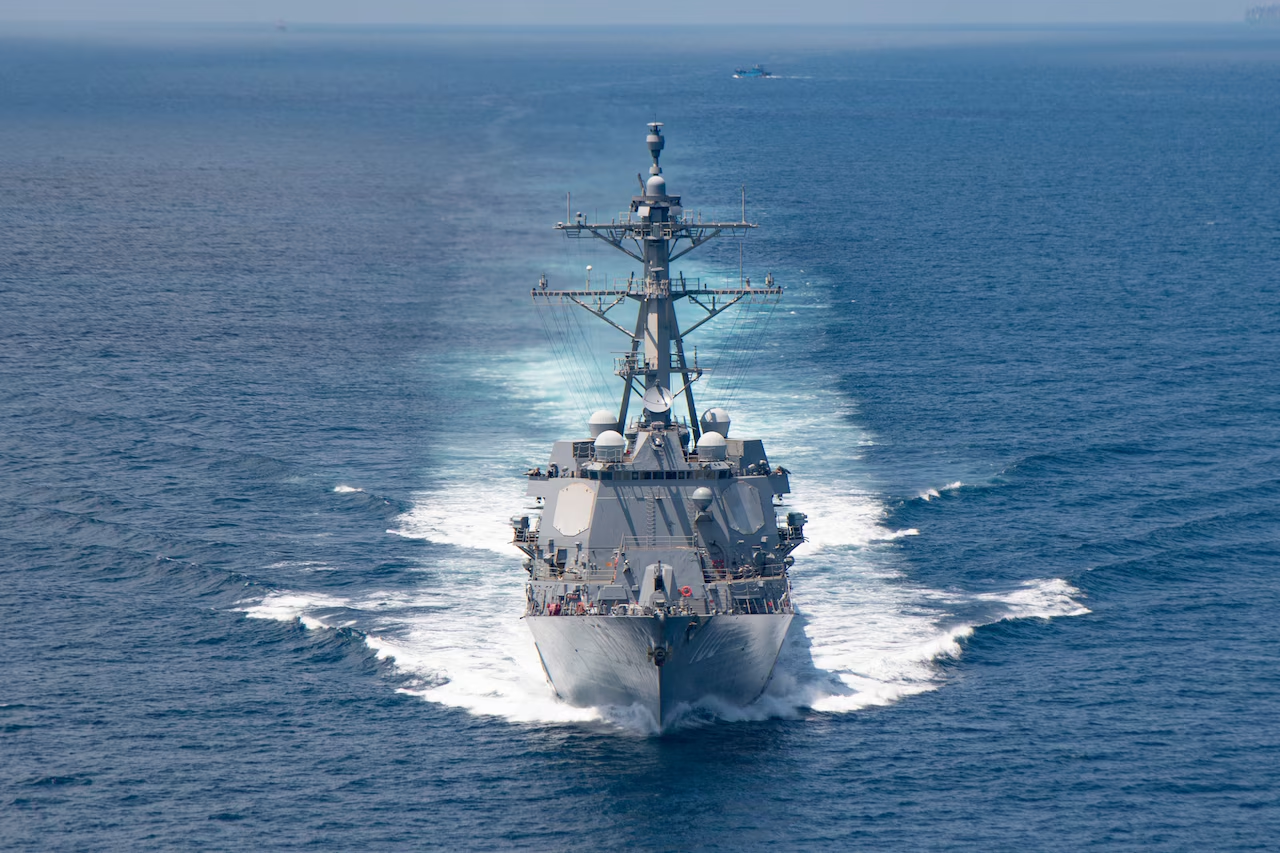
Hegseth reinforced that message this week in an op-ed for the New York Post, reminding Americans that underinvestment in the military is the single greatest threat to national security.
In his words, when America is militarily unchallenged, prosperity follows. “We borrow cheaply, transact freely and set the terms of global trade,” he wrote.
“Without that military power, all this becomes uncertain—because instability and volatility do vast damage to markets, investments and ultimately American jobs.”
For a War Secretary who has long preached that peace comes through strength, the $80 billion figure isn’t excess—it’s strategy.
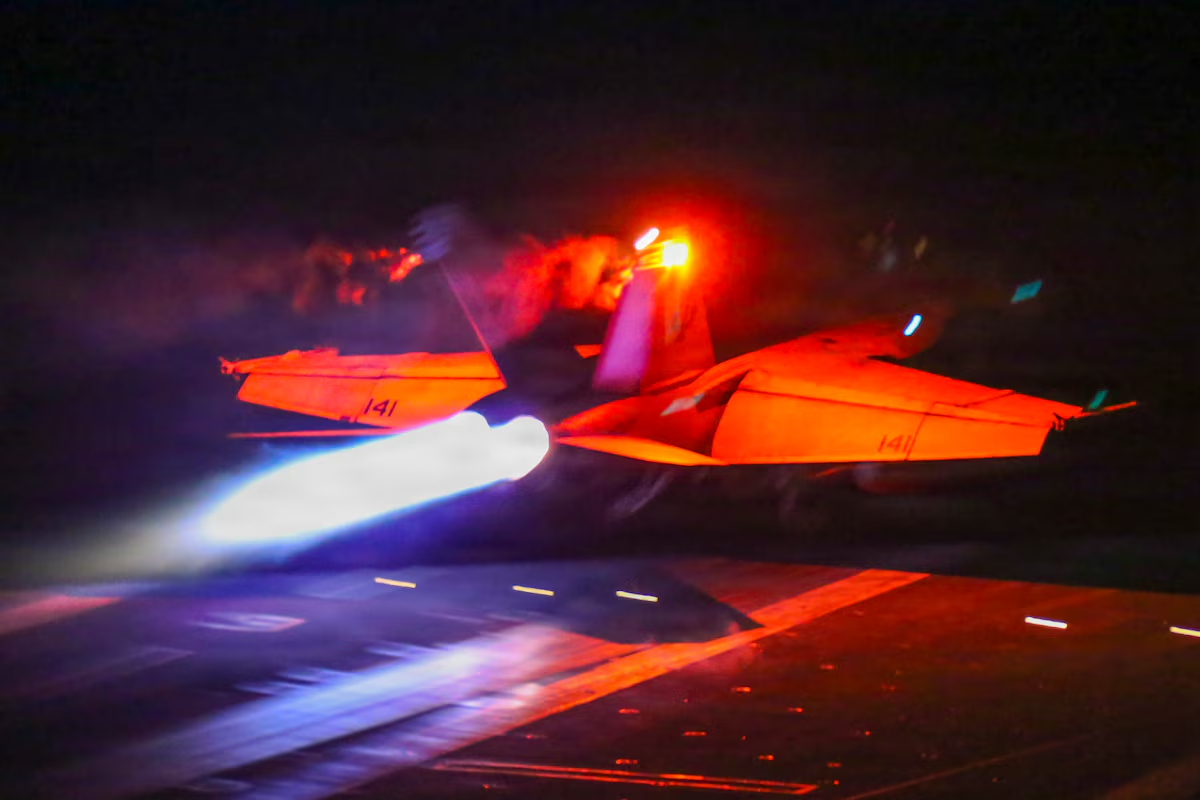
Hegseth is betting on readiness, deterrence, and the projection of unmistakable American muscle. The price tag may startle some, but history shows weakness always costs more.
In the months ahead, the debate over this funding will reveal who truly backs the troops and who’s just playing politics.
One thing’s certain: Pete Hegseth and President Trump aren’t about to let America shortchange its warriors or its security.