President Donald Trump said Tuesday that the United States intends to maintain military pressure on Iran and indicated that American forces could target the country’s heavily fortified Pickaxe Mountain nuclear site as concerns continue over Tehran’s nuclear program, as reported by Breitbart.
Trump made the remarks during a meeting with Lebanese President Joseph Aoun at the White House after being asked about a report from The Wall Street Journal stating that Israeli intelligence believes Iran moved thousands of advanced centrifuges to the underground Pickaxe Mountain facility near Natanz last fall.
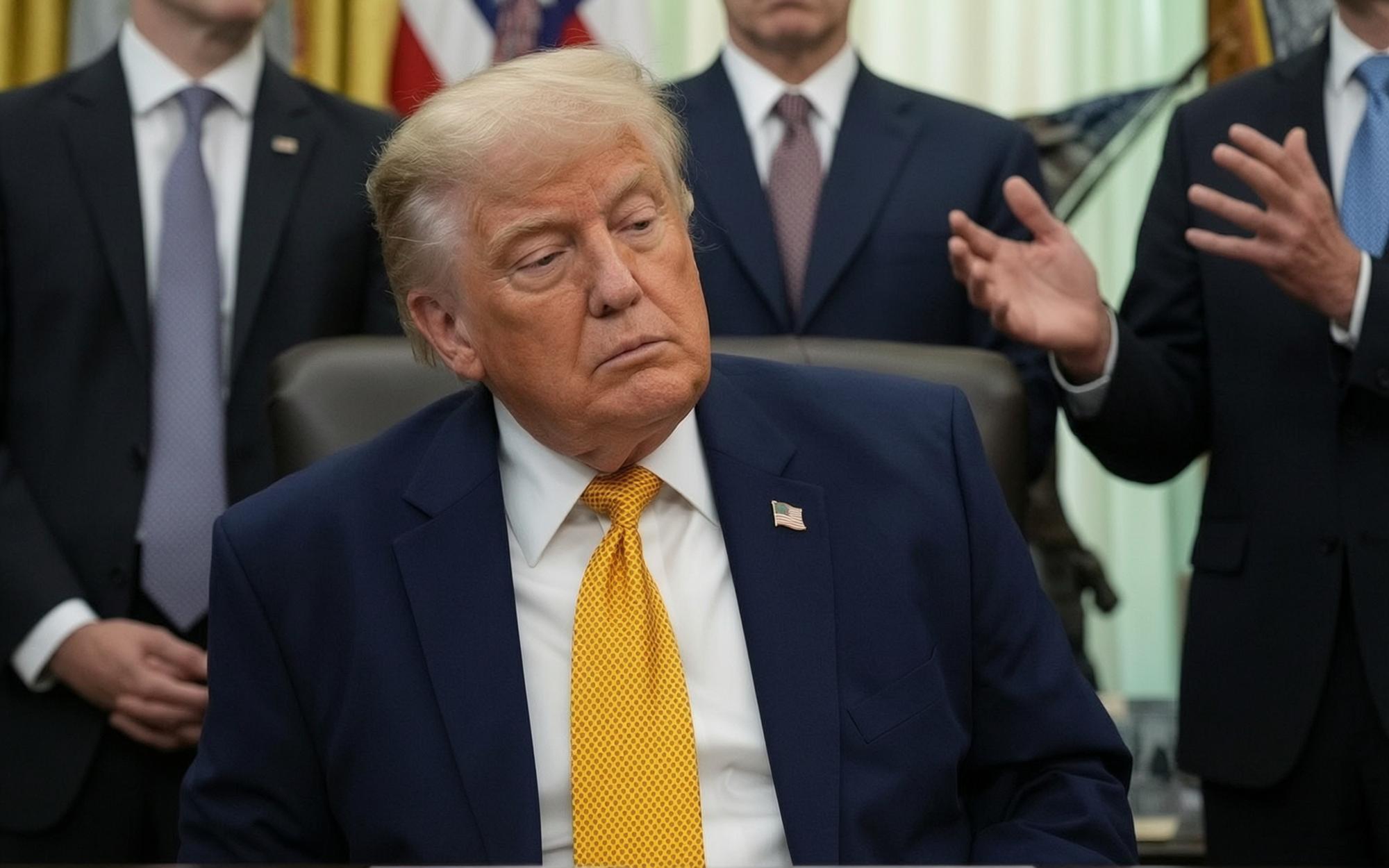
“I think that they may have,” Trump said when asked about the reported transfer.
The president added that the reported movement of centrifuges alone would not enable Iran to restore its nuclear capabilities.
“It doesn’t mean anything unless they have the material. They don’t have it. We follow the material. That’s where the action is.”
Trump also suggested the United States was prepared to strike the facility if necessary.
“We’ll be hitting that area probably pretty soon. There’s not a thing they can do about it,” he said.
“Normally, I wouldn’t say that. If I thought they could do something about it, I would never say that. But we’ll be hitting that area pretty soon, and very heavily.”
Pickaxe Mountain, located near Iran’s Natanz nuclear complex, has drawn increasing attention from U.S. and Israeli officials because of its underground fortifications.
According to the report referenced during the exchange, Israeli intelligence believes Iran transferred advanced centrifuges to the site.
International inspectors have also sought additional access to the location amid questions about possible undeclared nuclear activities.
Trump said any attempt by Iran to rebuild its nuclear infrastructure would prompt additional military action.
“How about these people? They’re in this because of nuclear weapons, and they’re trying to possibly reconstitute a site? We’ll hit that site,” Trump said.
“Any site where they’re even thinking about nuclear, we’ll be hitting it very, very powerfully.”
The president also indicated that the administration does not believe its military campaign against Iran is complete.
“If we left right now, it would take Iran 20 to 25 years to rebuild,” Trump said.
“We’re not finished at all… we’re not leaving right now.”
Trump was also asked about the possibility of renewed diplomatic discussions with Tehran.
He said Iran is seeking negotiations because of continued military pressure but indicated the administration is not prepared to return to talks at this time.
“They want to desperately meet because they’re getting decimated,” Trump said. “Until they’re ready to meet in a meaningful way, we have no interest.”
His comments came as U.S. military operations targeting Iranian military infrastructure continued.
According to U.S. Central Command, recent operations have targeted missile and drone capabilities, military command facilities, maritime assets, air defense systems and other infrastructure associated with Iran’s military operations and its ability to threaten commercial shipping through the Strait of Hormuz.
Trump said the administration believes those operations have significantly reduced Iran’s capabilities.
“We’re degrading them at levels that nobody thought was possible,” he said, adding that U.S. officials continue monitoring Iran’s nuclear material in addition to its centrifuges and related facilities.
The president concluded by reiterating that additional military action remains an option if Iran attempts to restore its nuclear program.
“If we left today, it would take them decades to rebuild. I don’t believe they could ever rebuild,” Trump said.
“Honestly, they haven’t seen anything yet. We’ve been nice.”
The administration has maintained that its strategy is intended to prevent Iran from rebuilding its nuclear program while limiting the country’s military capabilities through continued economic and military pressure.
Trump’s latest remarks underscore that the White House continues to view military action as an available option while closely monitoring developments involving Iran’s nuclear infrastructure.