Senator Lindsey Graham, an American patriot, Air Force veteran, and steadfast conservative voice, passed away suddenly at the age of 71 after what his office described as a brief and unexpected illness.
The longtime South Carolina senator and retired Air Force colonel leaves behind a legacy of service, strength, and unapologetic defense of America’s role as a force for good around the world.
His office released an early Sunday statement asking for prayers and privacy for the Graham family during “this incredibly difficult period.”
Later, according to the Medical Examiner of the District of Columbia, preliminary findings indicated that Graham died of an aortic dissection caused by arteriosclerotic cardiovascular disease—an aortic rupture related to hardened arteries.
Graham’s passing caught Washington and the nation by surprise.
Emergency responders had rushed to his D.C. residence late Saturday night after reports of cardiac arrest, according to NBC News. There had been no public signs of poor health, and Graham had even been scheduled to appear on “Meet the Press” Sunday morning.
Just days before his death, Graham had returned from Kyiv, his tenth trip to the war-torn nation since Russia’s 2022 invasion.
Ukrainian President Volodymyr Zelenskyy posted that Graham had been “a true defender of freedom” and a voice for global stability. The senator had pressed Washington to continue supporting Ukraine against Moscow’s aggression.
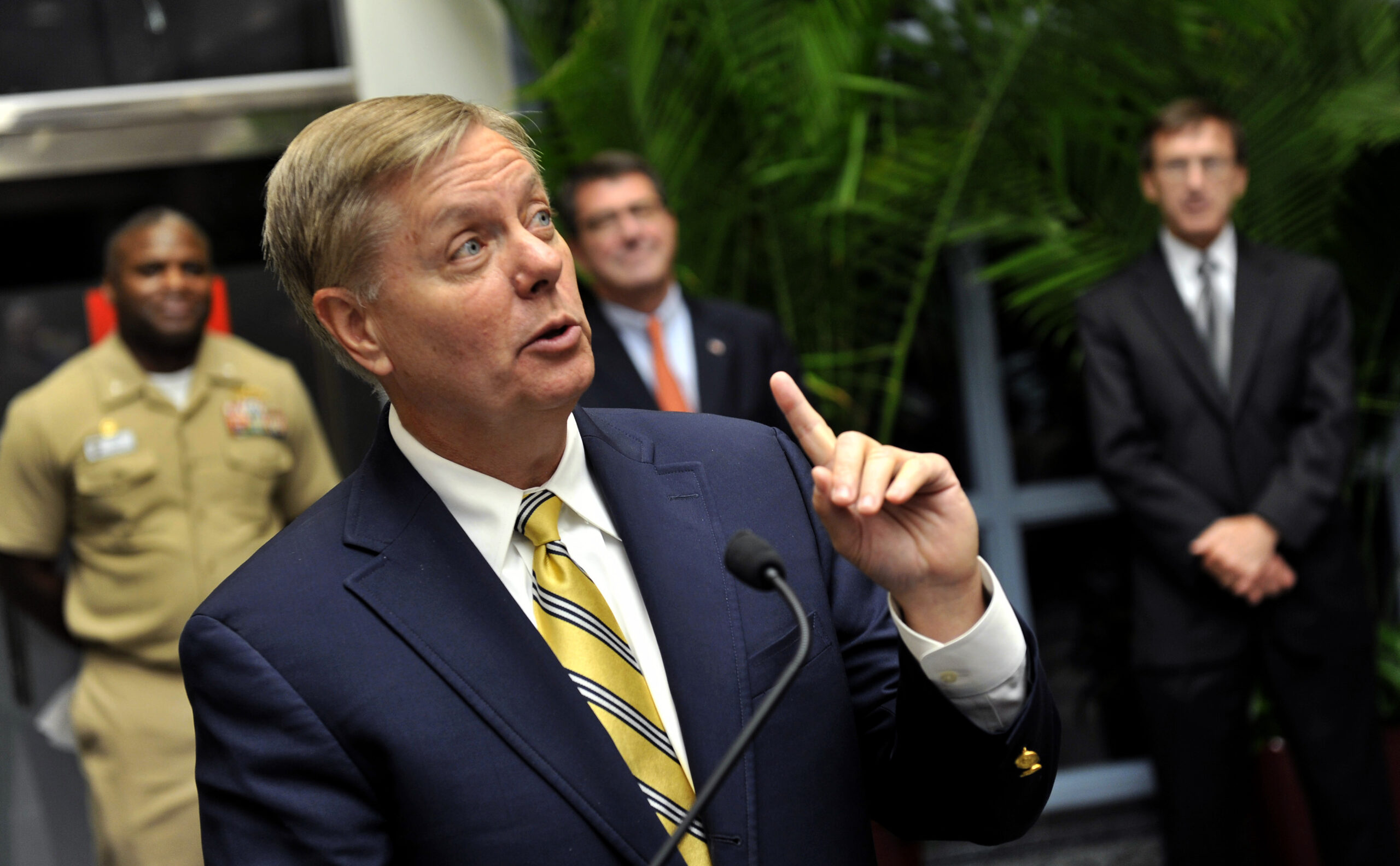
President Donald Trump, with whom Graham shared both a fierce rivalry and deep later friendship, described him on Truth Social as “one of the greatest people and Senators I have ever known.”
Trump praised Graham’s relentless work ethic and patriotic heart, writing, “He was always working, and was a true American Patriot. Lindsey will be greatly missed!!!”
Tributes poured in from allies and adversaries alike. Israeli Prime Minister Benjamin Netanyahu mourned the loss, declaring that both America and Israel had lost a great friend.
“America has lost a great patriot. I have lost a beloved friend,” he said. Even Democrat Rep. Jim Clyburn, a fellow South Carolinian, wrote that he and Graham had maintained “mutual respect” despite their political divides.
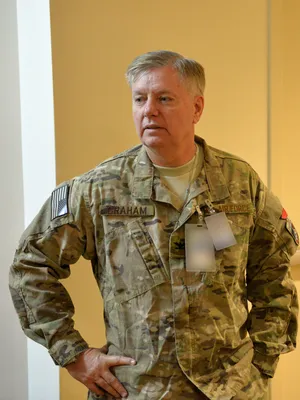
Graham’s career spanned decades, with service to both his state and his country in uniform. A native of South Carolina, he served for 33 years in the Air Force and Air Force Reserve, retiring in 2015 as a colonel.
His time in the Air Force began as a lawyer stationed in Germany, but his passion for national defense and military justice kept him connected to America’s fighting men and women throughout his long political career.
When America went to war in Iraq and Afghanistan, Graham volunteered for short tours during congressional breaks, serving on the ground as a military lawyer.
His office biography said he spent numerous congressional recesses working among troops in combat zones, believing firmly that lawmakers should not just vote for war—they should understand it.
Elected first to the House of Representatives in 1994 and then to the Senate in 2002, Graham became a fixture on the Senate Armed Services Committee. He pushed for a strong War Department, better care for veterans, and a renewed sense of moral purpose in American global leadership.
He was re-elected three times, securing one of the longest tenures ever for a South Carolina Republican in the Senate.
Throughout his career, Graham consistently advocated for a tougher approach toward enemies like Iran and North Korea.
He applauded President Trump’s decisive, no-nonsense war policies, saying that Trump “deserved a Nobel Peace Prize” for his strength in foreign affairs. Graham once described Trump as “the gold standard for Republicans, maybe any president, when it comes to foreign policy.”
Although the pair had once been sharp rivals during the 2016 GOP primary—when Graham was critical of Trump’s rhetoric on alliances and immigration—the two later forged a resilient partnership centered on rebuilding America’s strength, security, and respect on the world stage.

It was one of the most unpredictable but ultimately influential alliances in modern conservatism.
In addition to his policy work, Graham was a regular presence among service members at home and overseas.
Photos from recent trips show him chatting with U.S. troops in Saudi Arabia, meeting Air Expeditionary Wing personnel, and thanking them for their service. Those who served alongside him, both in and out of uniform, say he connected with the military not as a distant lawmaker but as a fellow warrior.
For those who knew him, Graham was more than a senator—he was a commanding presence who believed deeply in duty, discipline, and destiny.
Conservatives and military veterans across the country see his death as the passing of an era, one defined by firm American conviction and defense of liberty abroad.
As flags fly half-staff across South Carolina, Washington loses one of its toughest and most seasoned defenders of the American mission. Whether sparring in hearings or visiting troops overseas, Lindsey Graham never forgot the nation he served.
At 71, the colonel, senator, and patriot’s watch has ended—but his mission will not be forgotten.