President Donald Trump directed the War Department on Sunday to “substantially reduce” joint military exercises with South Korea, citing their cost and Seoul’s reluctance to support American action against Iran. The order arrived just hours before the annual drills were scheduled to begin.
Trump wrote on Truth Social that he was “not happy” the United States had agreed to participate.
He also emphasized his “very good relationship” with North Korean leader Kim Jong Un, signaling that expensive military routines should not automatically outrank presidential diplomacy.
“These exercises are not only costly… but send a signal that is totally inappropriate and hostile, to a Country that, as long as Donald J. Trump has been President, has been unthreatening and respectful,” Trump wrote.
The message was classic Trump, blunt about the bill and skeptical of bureaucratic momentum.
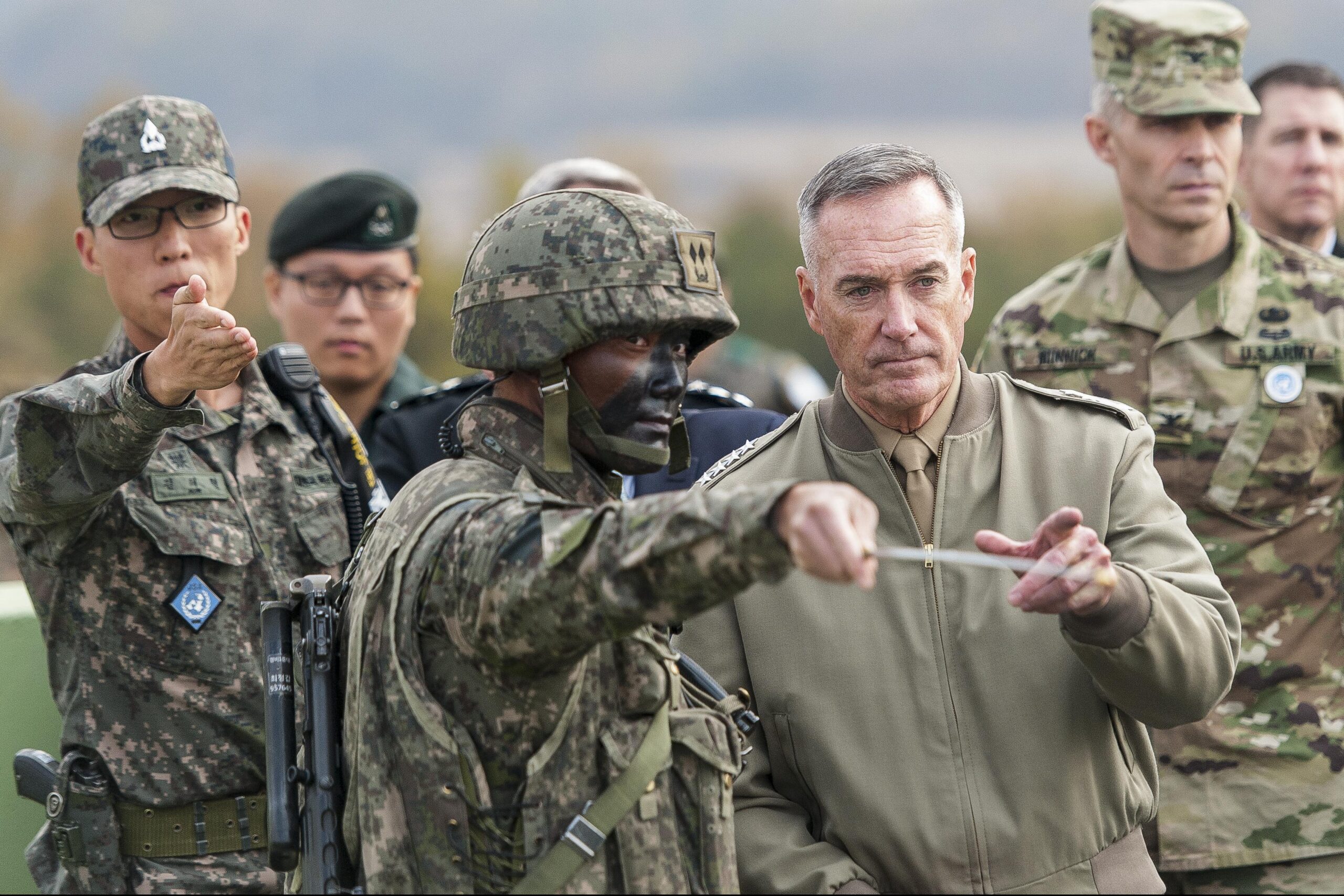
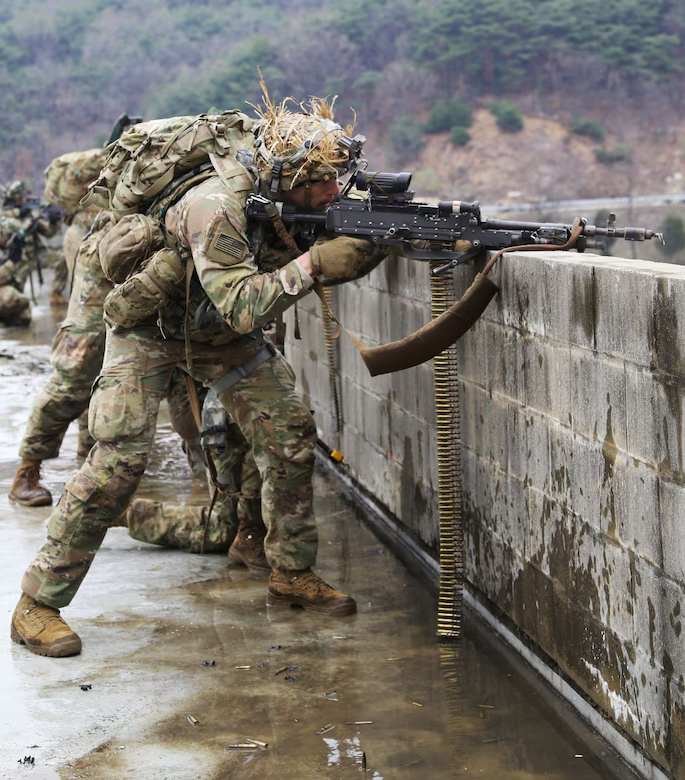
The annual Ulchi Freedom Shield exercises are scheduled to continue through August 27 and involve approximately 18,000 South Korean troops. South Korea’s Joint Chiefs of Staff told Reuters that the drills began Monday as planned.
South Korea’s presidential Blue House said it was reviewing Trump’s post.
It “hopes that the friendly relationship between the U.S. and North Korean leaders will lead to meaningful dialogue between the two countries, opening discussions aimed at advancing peace and stability on the Korean Peninsula,” the office said.
Seoul said the allies would continue coordinating their combined military posture and future exercises.
It also said discussions were continuing over possible military contributions involving Iran, with South Korean officials weighing peninsula readiness and domestic legal requirements.
Trump said South Korean President Lee Jae Myung had declined to participate in efforts targeting Iran’s nuclear program.
“While somewhat unrelated (?), I recently asked the President of South Korea if they would like to join us in the Denuclearization of the Islamic Republic of Iran, and they said, ‘No thanks!’” Trump wrote.
A War Department spokesperson referred questions to the White House, which did not immediately provide additional details.
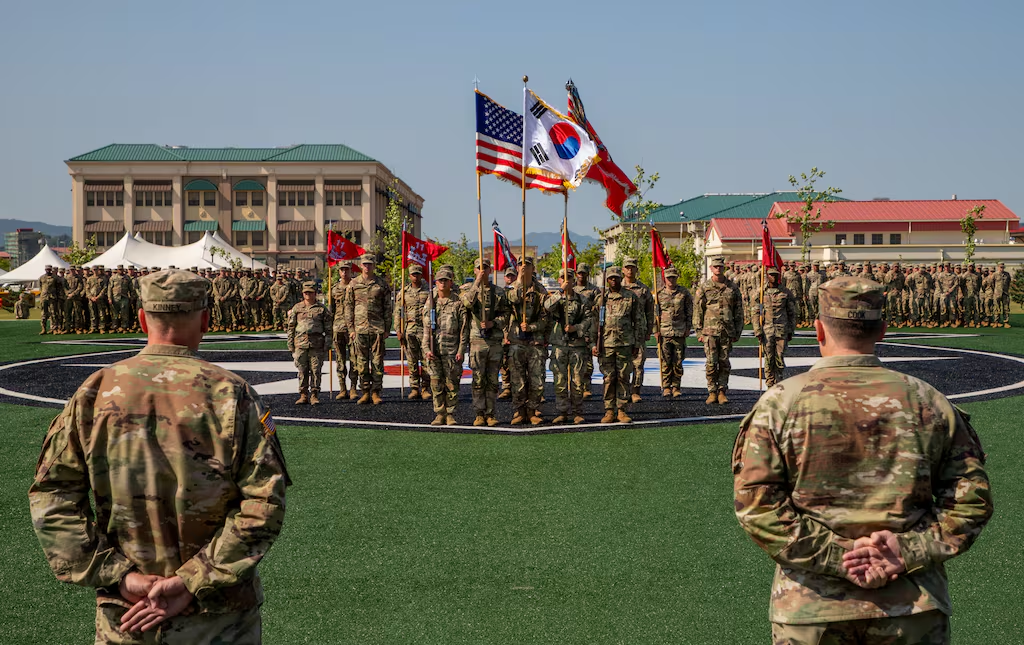
It remains unclear how quickly commanders can scale back exercises that have already started or which portions could be reduced.
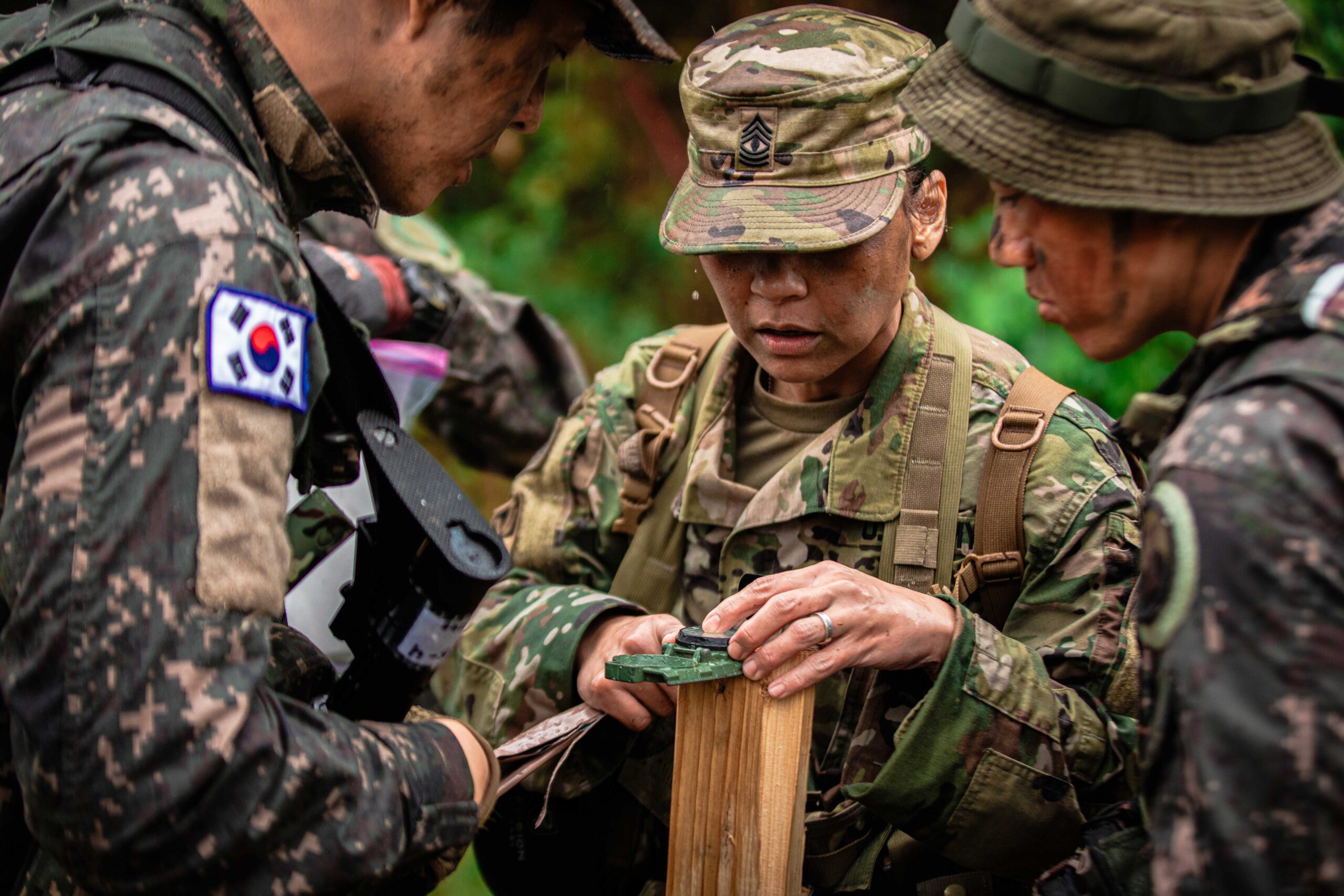
Trump has repeatedly challenged the cost and strategic value of large exercises with South Korea. He has also pushed Seoul to carry more of the financial burden for the 28,500 American troops stationed there, rather than expecting American taxpayers to keep signing checks without serious questions.
North Korea routinely portrays the exercises as preparations for invasion because Pyongyang and Seoul technically remain at war.
The communist regime fired a ballistic missile toward the Sea of Japan last week, following another recent launch of a short range ballistic missile.
Jenny Town of the Stimson Center offered a skeptical assessment of the decision.
“This decision may be part of a larger effort to create a diplomatic opportunity with Pyongyang, as Trump has consistently wanted since coming back to office, although the haphazard nature of this move is unlikely to make much of an impression in Pyongyang,” she said.
Trump’s relationship with Kim has swung between confrontation and personal diplomacy. Trump once called Kim “little rocket man” and threatened “fire and fury,” while Kim vowed to “tame the mentally deranged U.S. dotard with fire.”
The two leaders later participated in three summits, with Trump famously declaring, “we fell in love” after exchanging letters.
Those meetings did not end North Korea’s nuclear weapons or ballistic missile programs, but they did establish a direct channel absent under many previous administrations.
Victor Cha of the Center for Strategic and International Studies said Trump may be trying to weaken Pyongyang’s growing relationship with Moscow.
“The other way to look at this is that Trump wants to engage Kim as a way to impede the Russia-NK ties,” Cha said.
North Korean troops have gained battlefield experience while supporting Russia’s war in Ukraine, according to American military officials.
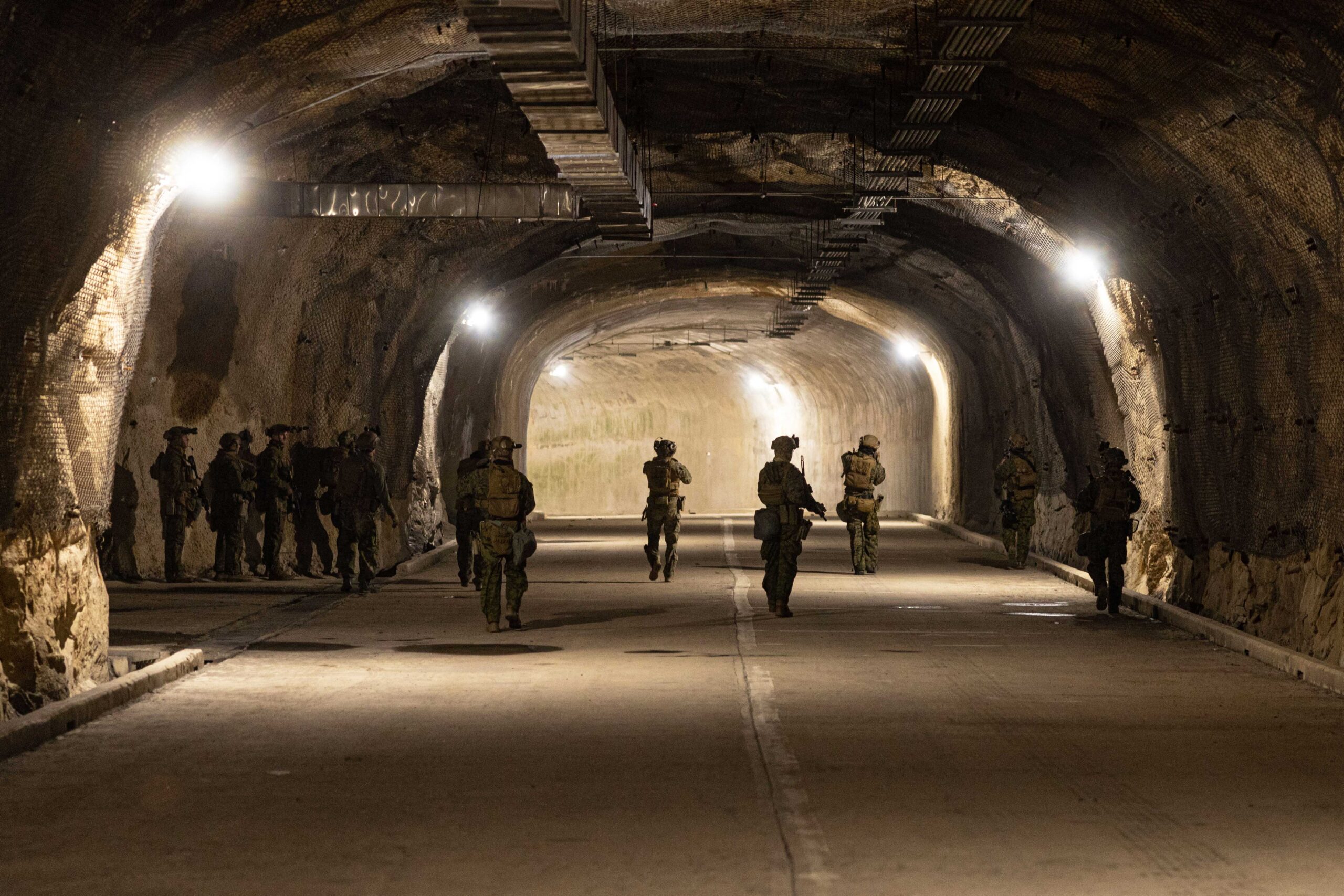
Ukraine also reported that North Korean missiles were used in a Russian ballistic missile strike against a steel facility in Zaporizhzhia.
Lieutenant General Joseph Jarrard of United States Northern Command recently warned that North Korea had tested intercontinental ballistic missiles with “enough boost to deliver a nuclear payload anywhere in North America.”
That threat means any reduction in exercises must be balanced against the unmistakable need for credible American readiness.
A United States official this year described Seoul as a “model ally” committed to raising military spending, but economic friction continues.
A former Trump administration official said the president is “frustrated with the intransigence” of South Korea’s government.
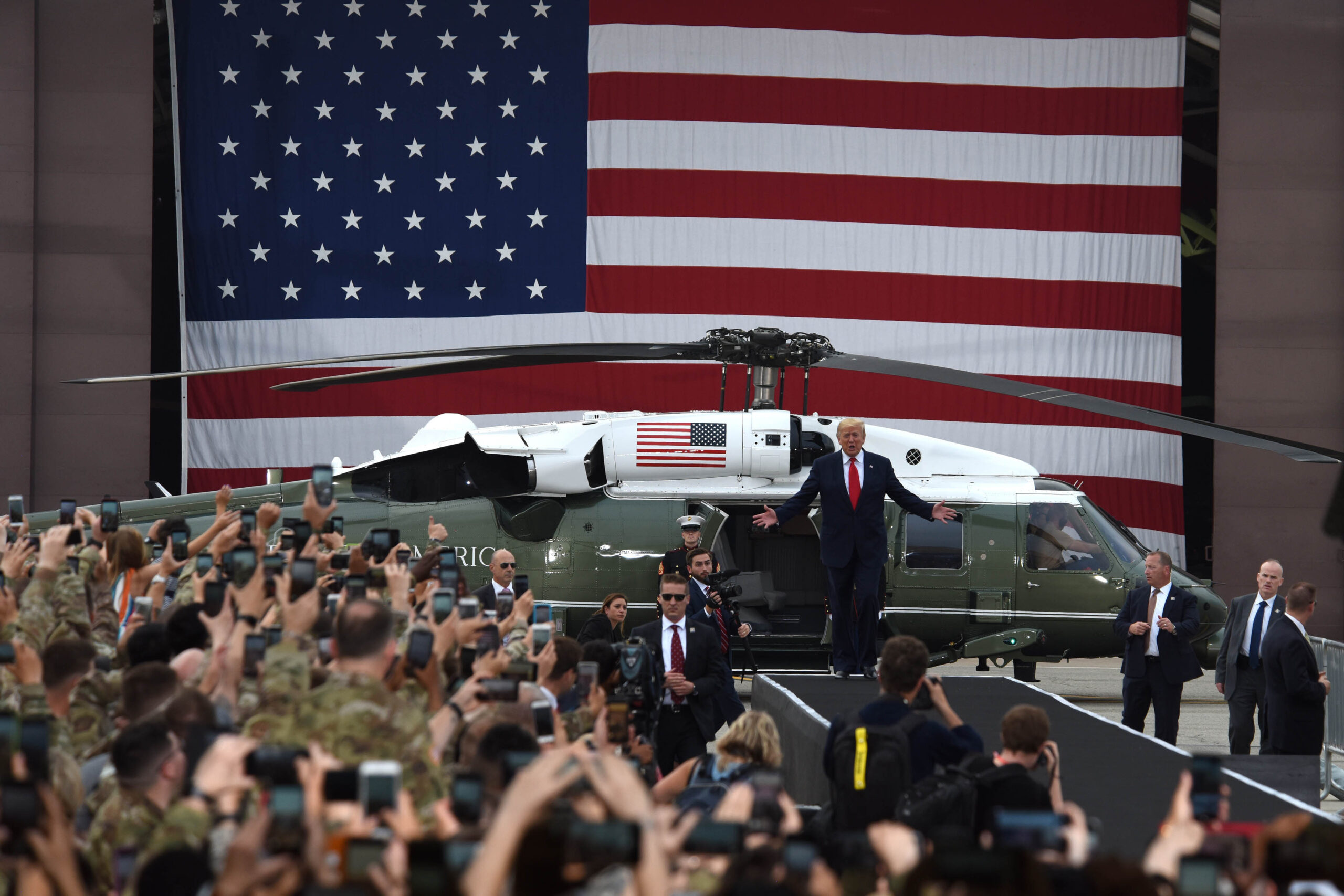
“The Lee government has repeatedly pursued policies antagonistic to American companies and shown little interest in following through on the historic investment deal with the United States,” the former official said.
Seoul pledged $350 billion in investment under a trade agreement last year, yet detailed plans have not been announced, giving Trump another reason to demand results instead of diplomatic boilerplate.