The United States is making it crystal clear: Iran does not own the Strait of Hormuz, and American firepower will enforce that fact as often as necessary.
U.S. Central Command announced another decisive wave of strikes targeting Iranian military assets after Tehran’s latest attempt to intimidate global shipping lanes.
CENTCOM confirmed Monday that it struck Iranian radar installations, coastal defense systems, missile launchers, and drone sites across strategic areas near the Persian Gulf.
The U.S. operation, executed with precision from fighter jets, naval warships, and advanced sea and air drones, is part of a sustained campaign to strip Tehran of its ability to disrupt vital maritime routes.
“The Strait of Hormuz is a vital maritime corridor for global trade. Iran does not control it,” the command declared bluntly, signaling that America’s posture is neither defensive nor diplomatic—it’s deterrence with teeth.
Nearly one-fifth of the world’s oil passes through this narrow waterway, and President Trump’s administration refuses to let the Iranian regime choke global commerce with threats and rockets.
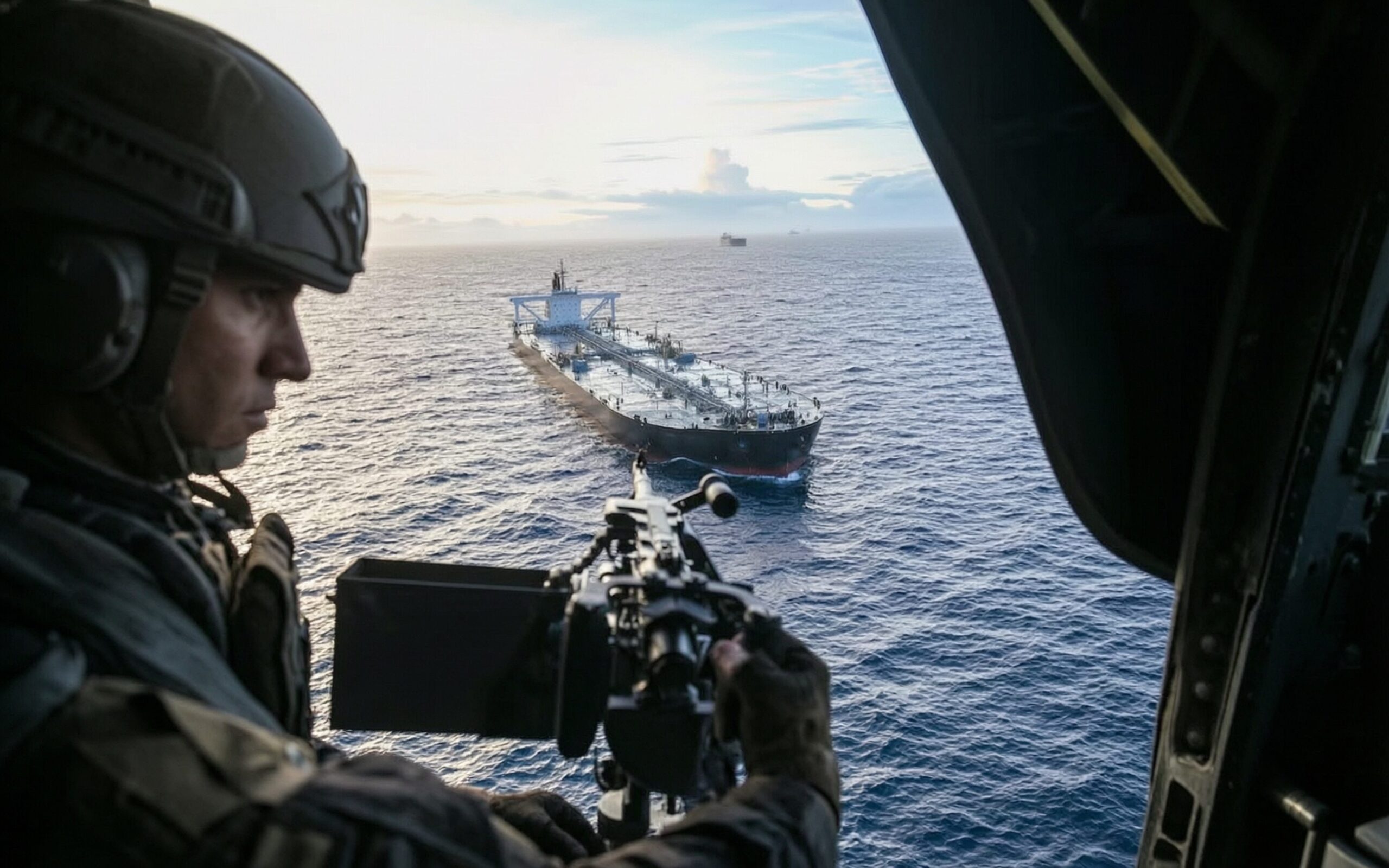
The strikes followed Tehran’s weekend barrage of drones and missiles aimed at U.S. allies across the Middle East, including Kuwait, Jordan, and Qatar. The attacks caused minimal damage and no reported casualties, but they revealed Iran’s reckless obsession with testing American resolve.
Sirens blared across Gulf states hosting U.S. troops, from Bahrain to the United Arab Emirates, reminding everyone that American service members remain in harm’s way because of Iran’s provocations.
Washington responded with the only language bullies understand—overwhelming power. CENTCOM had already pummeled approximately 140 Iranian military targets on Saturday, hitting drone launch sites, missile factories, naval capabilities, and key communication centers.
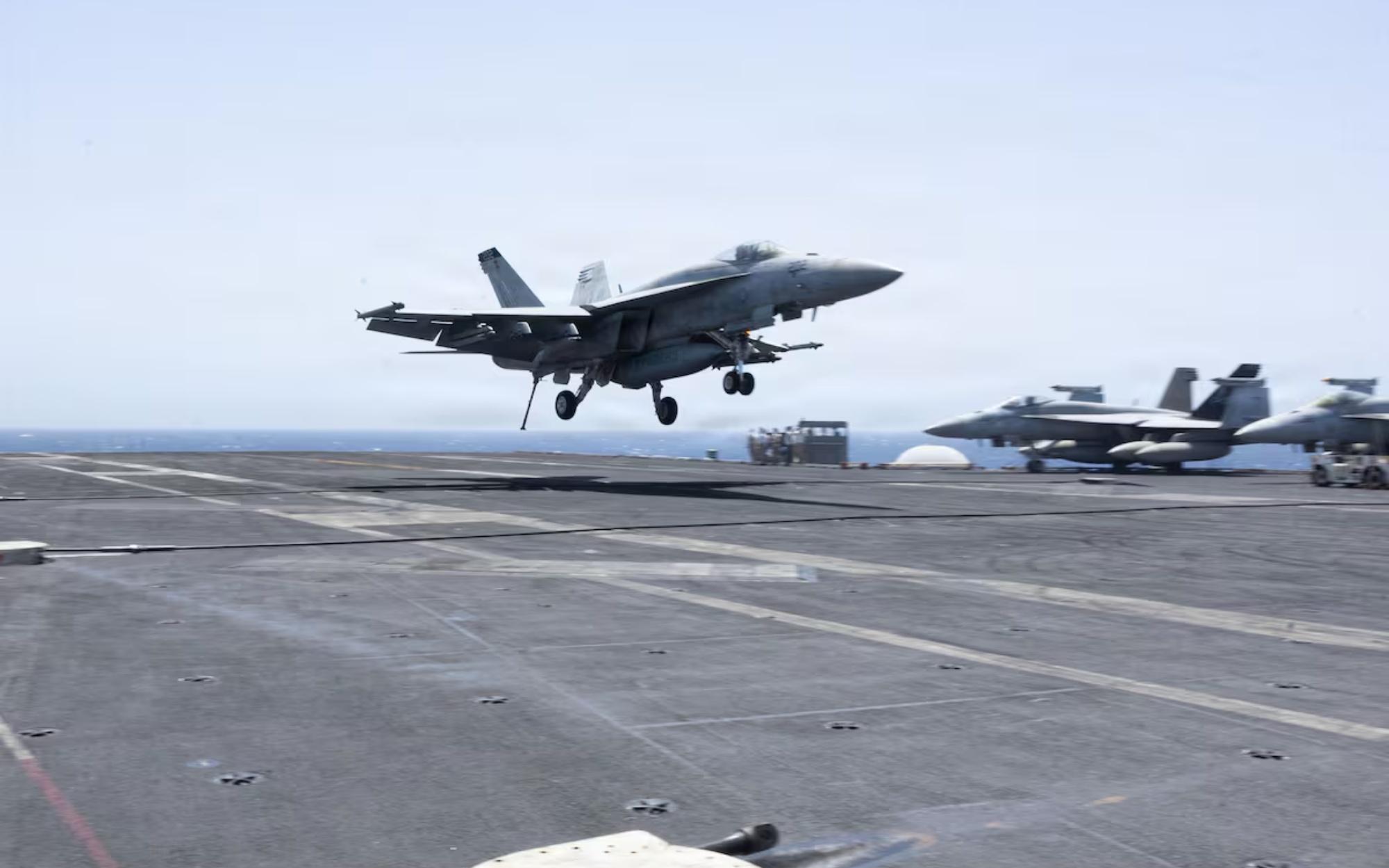
By Monday morning, additional salvos had taken out more of Iran’s coastal radar and anti-ship networks, effectively blinding Tehran’s attempt to monitor traffic through the Strait.
Iran’s state outlets predictably boasted that they had struck U.S. facilities in retaliation, claiming hits on surface-to-air defenses and logistics centers across the region.
CENTCOM quickly dismissed the propaganda, offering no evidence that any American base had sustained damage. The truth is simple: the Iranian military is bleeding capability faster than it can replace it.
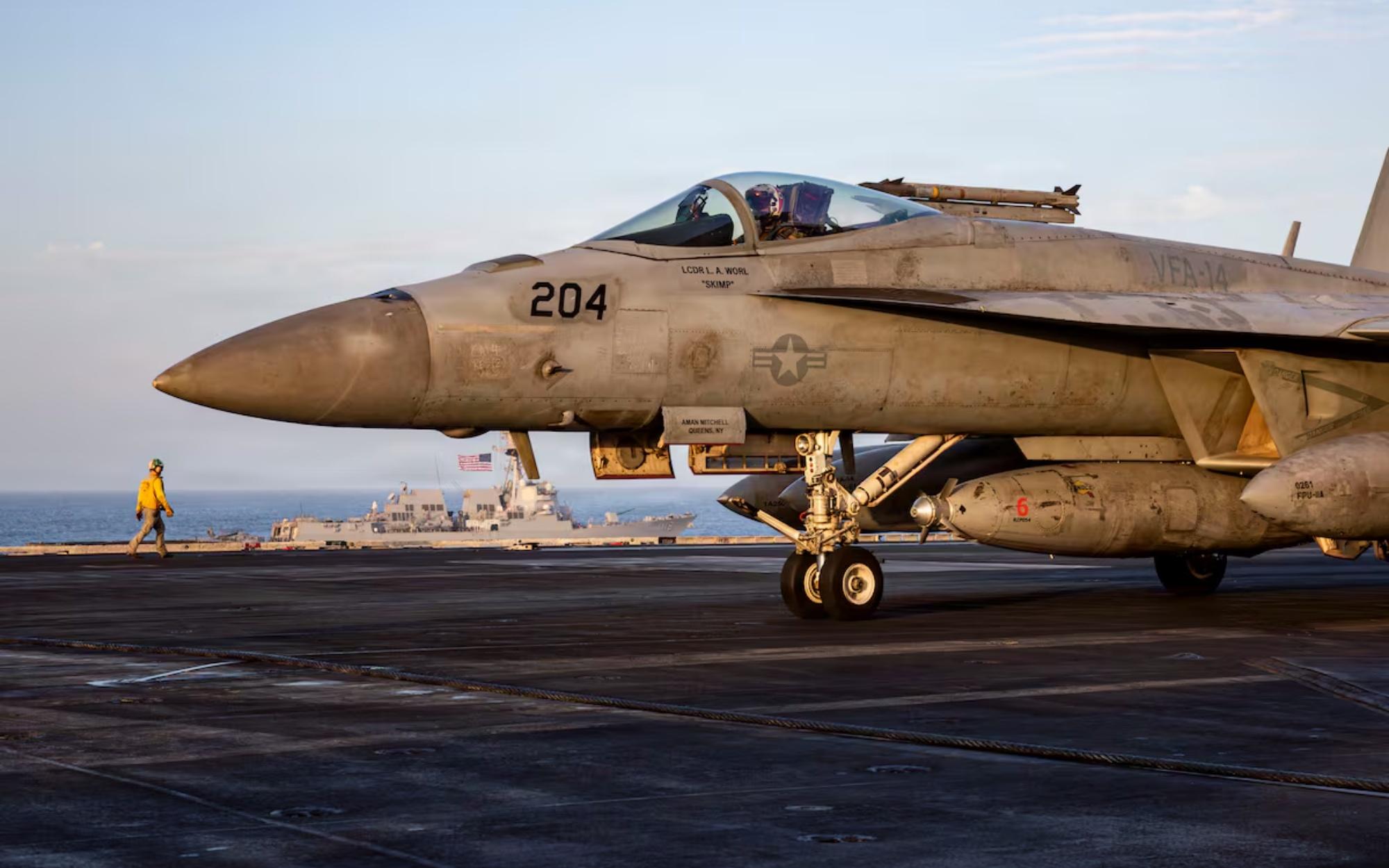
In Bahrain, home to the U.S. 5th Fleet and CENTRALCOM’s maritime nerve center, military leadership maintained high alert even as operations continued smoothly. In Kuwait, the army reported intercepting several “hostile aerial targets,” confirming the Iranian aggression.
Meanwhile, Jordan’s forces shot down four inbound missiles before they could cause any harm. These responses demonstrate not only the strength of America’s regional partnerships but also the futility of Tehran’s scattershot offensives.
President Trump didn’t mince words in his Sunday interview on NBC. “We bombed the hell out of them last night,” he said, a clear message that the United States would not tolerate Iran’s interference with the flow of international trade.
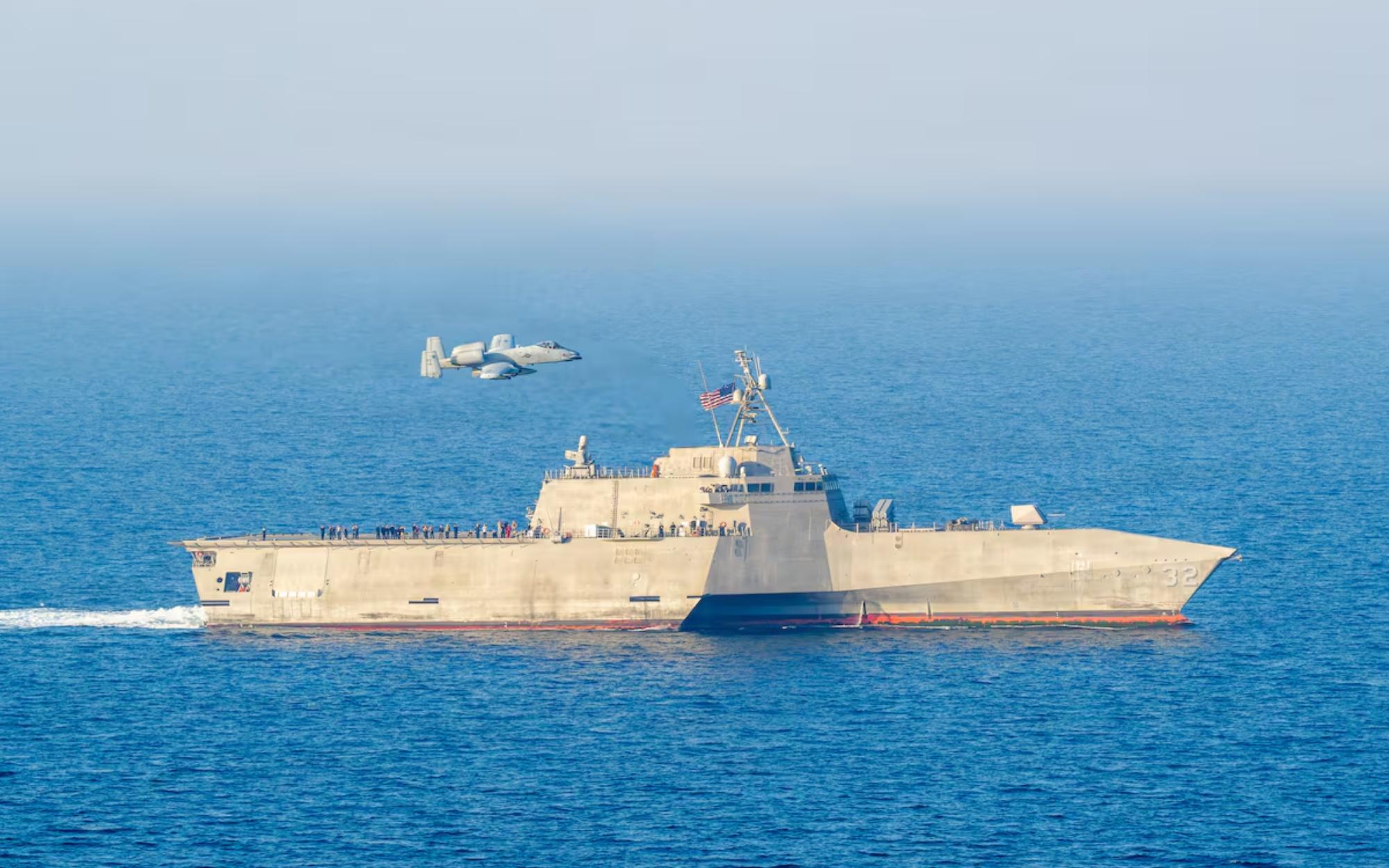
His statement left no doubt that America’s deterrence strategy under his leadership is back—precise, unapologetic, and focused on winning.
Despite the chaos, the Joint Maritime Information Center confirmed that vessel traffic through the southern route of the Strait of Hormuz remains open.
In real terms, global commerce continues, safeguarded by U.S. naval dominance and the confidence of allied forces. That operational reality undermines Tehran’s narrative and reinforces that it cannot strangle the global economy by threatening a single choke point.
Tensions remain high, however. The White House says it still supports diplomatic options tied to the temporary June agreement that paused earlier fighting. But after this weekend’s attacks, any talk of peace seems fragile.
Iran’s repeated violations of the deal—especially its continued targeting of U.S. allies—may well have ended any hope of serious negotiation.
Even the United Nations, usually timid in its condemnation of Tehran, urged restraint. Secretary-General Antonio Guterres called for both sides to halt attacks, warning of “catastrophic consequences.”
Yet the blame lies squarely with Tehran’s mullahs, who continue to provoke conflict while crying victimhood in global forums. The UN’s words carry little weight when American sailors are dodging drones because of Iranian belligerence.
The reality on the ground is this: the United States and its allies control the Strait of Hormuz through superior technology, coordination, and willpower. Iran controls only its bluster.
Every missile launch from Tehran invites another series of U.S. strikes that degrade its capacity further. The message could not be clearer—freedom of navigation will be protected by force if necessary.
The war that began in late February after U.S. and Israeli operations killed several Iranian commanders now hangs in a delicate balance.
Talks aimed at fully reopening the Strait and dismantling Tehran’s nuclear ambitions are stalled, largely because Iran keeps violating its commitments. Across American bases in the region, from Qatar to Kuwait, morale remains strong, sustained by the knowledge that the world’s most advanced military has their back.
America has no intention of ceding ground—or sea—to Iran’s crumbling regime.
The Strait of Hormuz will remain open, not because Tehran allows it, but because U.S. power ensures it. That’s not up for negotiation.