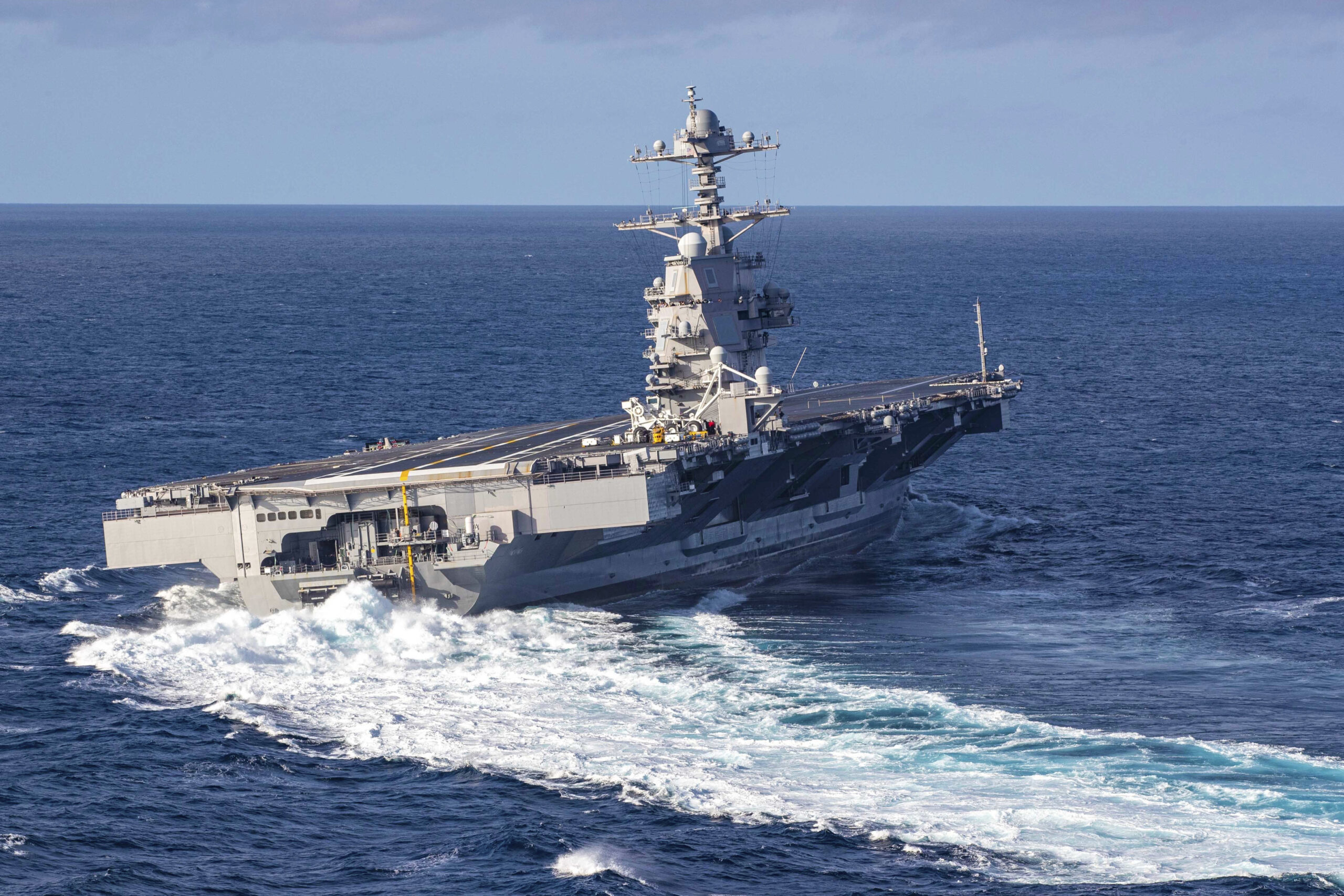
The world’s biggest and most technologically advanced aircraft carrier, the USS Gerald R. Ford, pulled into Norfolk Naval Shipyard this week for a round of scheduled repairs and maintenance following its grueling 326-day deployment — the longest such mission since Vietnam.
The Ford, a nuclear-powered symbol of American naval strength, returned to Naval Station Norfolk on May 16 after months of active duty spanning the Mediterranean and the Middle East, including participation in Operation Epic Fury against Iran.
Yet, beneath the headlines of power projection, the ship also faced a string of headaches – from a laundry room fire that left sailors injured to plumbing failures that plagued its 650 onboard toilets.
According to the Navy, this marks the first time a Ford-class carrier has undergone availability repairs at the Norfolk Naval Shipyard.
The maintenance will involve modernization, systems inspections, and general fine-tuning after an intense, nearly year-long stretch at sea. Navy brass insists the process is routine – though even they admit the ship will likely need extra attention.
The fire, which broke out March 12 in the ship’s main laundry room, sent dense smoke through sections of the Ford and injured several sailors.
Officials reported at least 100 crew sleeping berths suffered smoke damage, forcing emergency ventilation and cleanup efforts. The Navy said the incident was classified as noncombat-related, though for the hundreds of sailors scrambling through smoke-filled corridors, it certainly didn’t feel minor.
Following the fire, the carrier left combat operations and arrived in Greece for temporary repair work on March 23 before heading to Split, Croatia, for a five-day port call.
By April 2, the Ford was back at sea, wrapping up operations before returning home to Virginia. Still, even after the initial response, Navy leadership has made clear that the incident will inform how safety procedures and response readiness are handled moving forward.
As if smoke and fire weren’t enough, the Ford also dealt with a truly unpleasant challenge: widespread plumbing failures. Out of nearly 650 toilets onboard, breakdowns became so frequent that sailors resorted to emergency protocols just to keep basic sanitation functional during deployment.
A vacuum-based waste system designed to handle thousands of daily flushes reportedly malfunctioned repeatedly, causing backups and unsanitary conditions in some areas of the ship.
An NPR report claimed the Ford’s crew requested help with toilet repairs 42 times since last year, with 32 of those just in 2025. The news outlet said the ship suffered 205 plumbing breakdowns in a span of four days, suggesting systemic design flaws.
Yet Chief of Naval Operations Adm. Daryl Caudle told lawmakers during a Senate Armed Services Committee hearing that the situation had been exaggerated by the media.
“If that system is operated in accordance with procedure, then it does not clog,” Caudle asserted, adding that user error may account for many of the complaints. Sailors, however, have noted that “procedure” doesn’t always match the unpredictable realities of ship life in a warzone deployment.
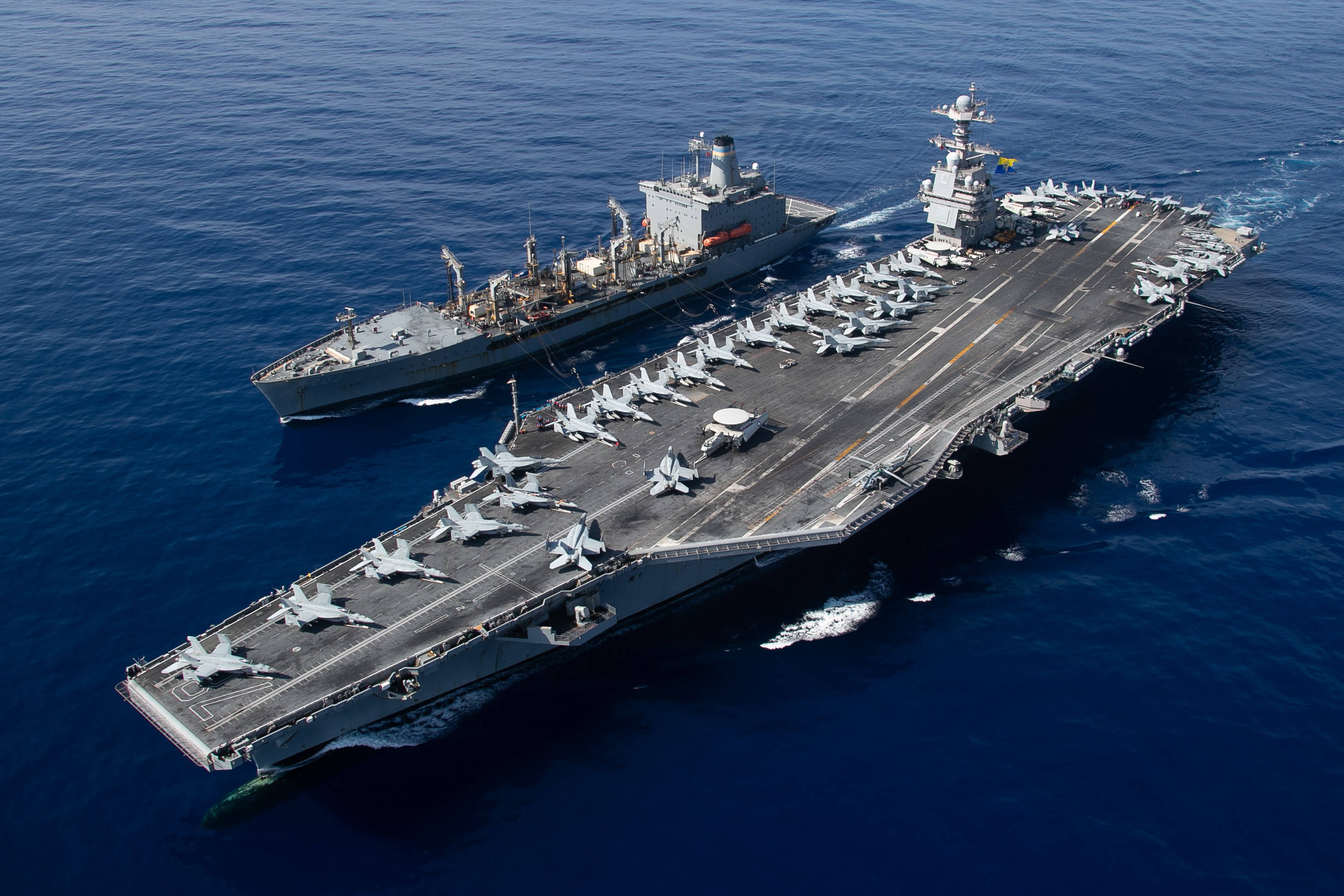
The issues aboard the Ford have brought renewed scrutiny to the Navy’s multi-billion-dollar Ford-class carriers, each costing over $13 billion per vessel.
Critics accuse the Navy of rushing to deploy advanced systems before bugs were fully worked out, but admirals insist these platforms represent the future of American sea power.
They point to the Ford’s record-long deployment and its performance in the Mediterranean as proof of its strategic value.
Still, the image problem is hard to ignore. The Navy’s biggest ship shouldn’t be grabbing headlines for fires and malfunctioning toilets. Conservatives in Congress are demanding tighter oversight into how the War Department manages such mega-projects while ensuring taxpayers get a return on their investment.
It’s one thing to face an enemy at sea; it’s another to be crippled by your own plumbing.
The Norfolk maintenance period will address both known issues and ongoing modernization efforts.
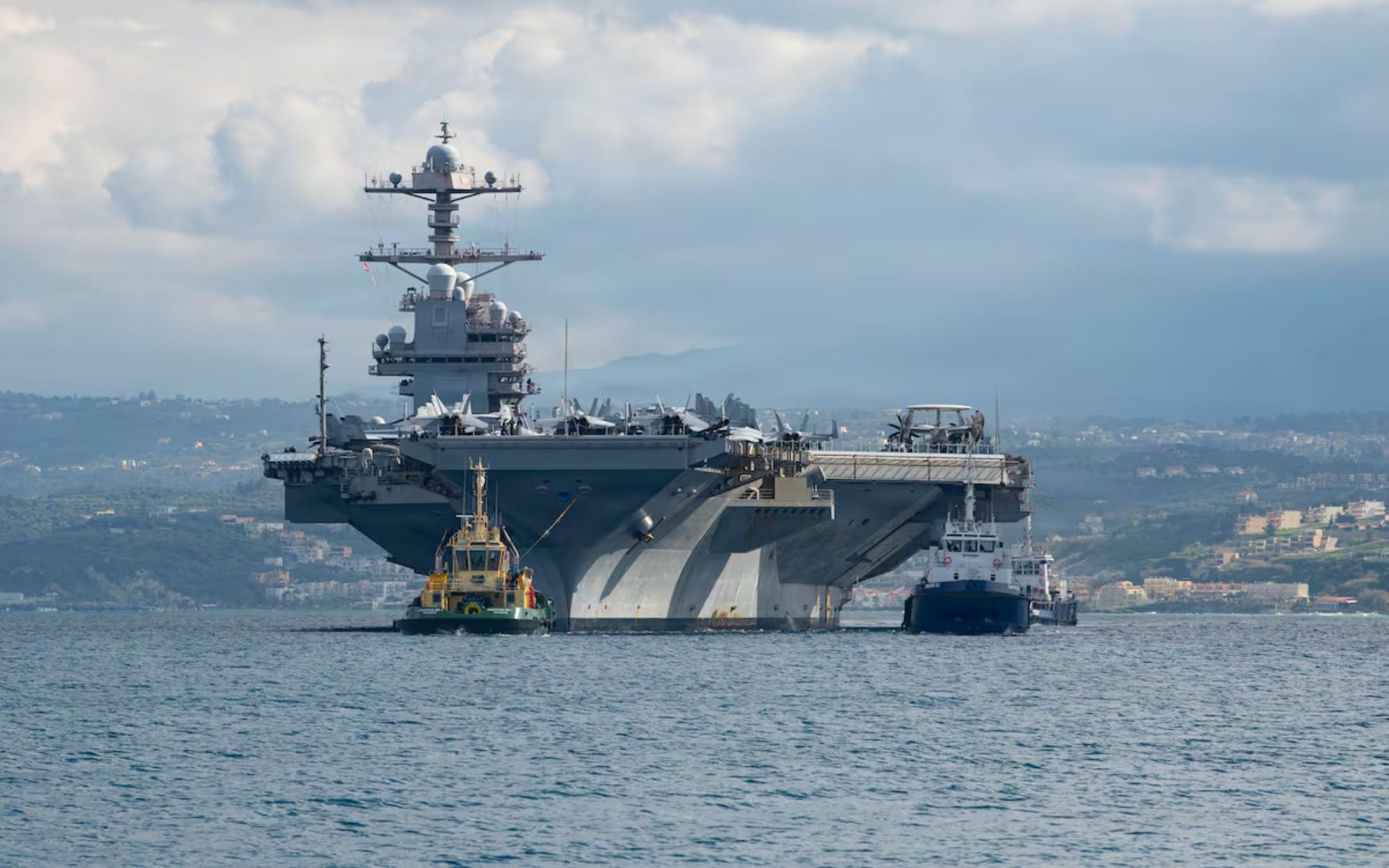
The Navy says the Ford will finish this round of repairs ahead of schedule – a welcome change for a ship that’s become famous for delays and cost overruns. Once the carrier is cleared, it will return to active duty, ready for the next global hotspot requiring an unmistakable show of U.S. naval strength.
For now, the Ford’s sailors can finally rest on solid ground after nearly a year at sea. The deployment tested both the crew and the ship, proving that while America’s enemies may not be able to sink our carriers, the Navy still has to keep its own systems afloat.
When the Ford sails again, the fleet and the nation’s adversaries alike will be watching closely. The next time this behemoth heads to the Middle East, let’s hope it’s known for dominating airspace—not the plumbing section of headlines.