The U.S. Naval Academy is turning back the clock to restore one of its oldest and most symbolic traditions—short hair for incoming female midshipmen.
In an age where the military has been pressured to bend to every passing trend, the academy is reminding future officers that uniform discipline, not personal preference, is the heart of service.
Starting again this summer in Annapolis, all incoming women reporting for Induction Day must have their hair cut to the chin.
The academy leadership described it as a “visible symbol” of transition from civilian to military life, where incoming “plebes” learn that joining the Navy or Marine Corps means putting the team above self.
The policy isn’t new. In fact, it dates all the way back to 1976, when the first women entered the Naval Academy. Back then, the haircut rule wasn’t about appearance—it was about equality, unity, and a shared standard.
For over forty years it stood as a powerful tradition until 2019, when it was scrapped under the guise of “modernization.”
Now, under restored leadership and renewed focus on readiness and professionalism, the rule is back.
Officials say this decision reinstates a common standard across gender lines. “The haircut marks the moment when civilians begin setting aside individual preferences and start embracing the responsibilities, expectations, and identity of future Navy and Marine Corps officers,” the academy stated.
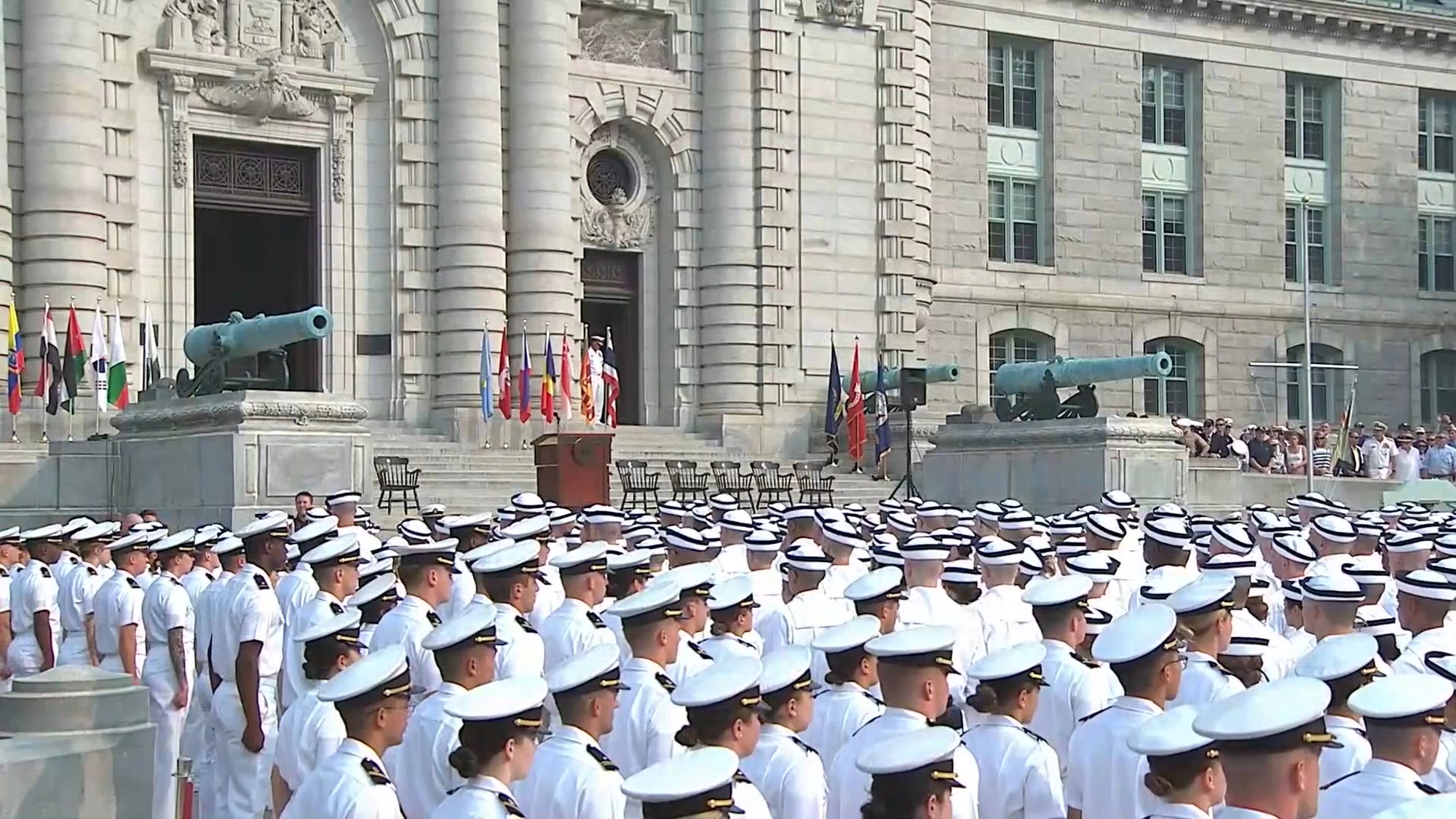
In short, it’s not about hair—it’s about discipline and the beginning of transformation.
Predictably, the change has sparked some online chatter. A few commenters were “shocked” and complained that the return to short haircuts symbolized a backward step.
But others, including many seasoned officers and alumni, applauded the decision as a long-overdue reset to the institution’s roots.
After years of political correctness creeping into military culture, this move signals that the naval service is once again placing unity and standards above fashion trends.
Navy Lieutenant Commander Kellie Sbrocchi, an academy graduate and active-duty officer, put the moment in perspective for new midshipmen.
“This is your first test, not because the Naval Academy wants you to hate your haircut, but because it’s about learning that you are more than your comfort zone and more than your appearance,” Sbrocchi said.
Her words reflect the purpose behind the policy: the military’s job isn’t to make recruits feel good about their individuality—it’s to mold leaders who can serve under pressure.
Julie Kubal, a 1996 graduate, echoed those sentiments, recalling that when she entered the academy, the haircut was simply an expectation. “It didn’t seem like that big of a deal in the grand scheme of all the things I had to worry about,” she said.
Like any rite of passage, she explained, the haircut marked a transition from civilian life to military readiness.
Only after months of plebe summer did growing hair back feel like a genuine reward for enduring the process and coming out stronger.
Critics, of course, frame this as some kind of regression. Kubal herself noted that in today’s environment, “where standards are being questioned,” such reversals may seem “punitive.”
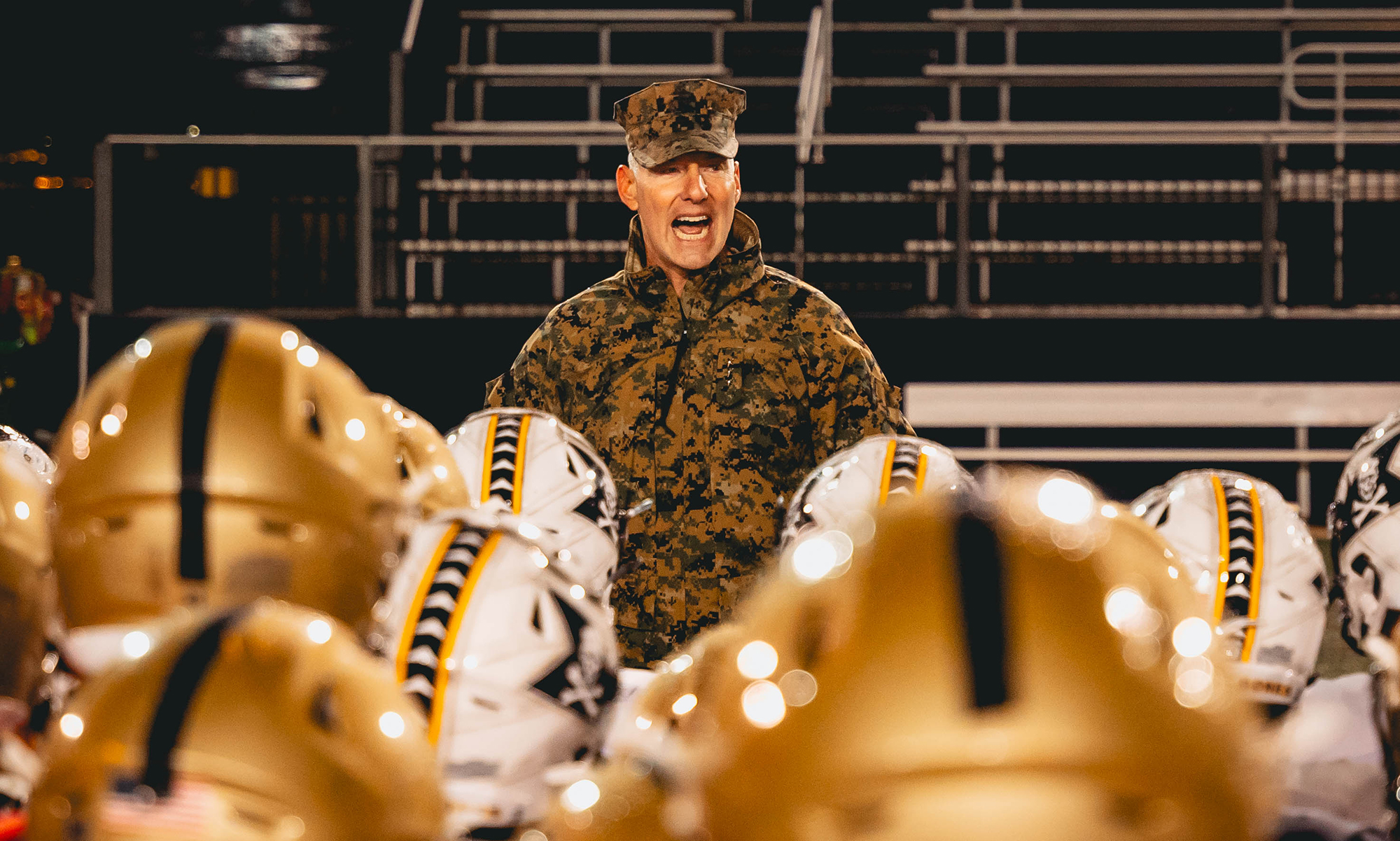
But in reality, bringing back short hair isn’t punitive—it’s restorative. It reinforces that men and women at the Naval Academy are held to the same expectations and that military training is about shared sacrifice, not personal expression.
For far too long, parts of the military establishment have been distracted by social engineering experiments and media optics over combat readiness.
The decision to restore the short-hair requirement suggests a quiet revolt against that mindset—a reassertion that America’s officer corps begins with discipline, tradition, and the humility to follow orders before giving them.
Historically, grooming standards have never existed to please the mirror. They exist because they represent uniformity, practicality, and the willingness to conform to mission before self. Every Marine knows that lesson by heart.
Every sailor who’s seen action at sea knows personal comfort comes last. The Naval Academy’s call to return to its core symbols of unity is a small but meaningful step back in that direction.
There’s also an unmistakable message here about identity. The academy’s leadership is telling future officers that military identity is not defined by hairstyle or external appearance—it’s measured by character, commitment, and the ability to lead under pressure.
That’s the foundation our War Department, under strong leadership like Secretary of War Pete Hegseth, continues to stand on.
For new plebes walking through the gates of Annapolis this summer, that first haircut will be more than just a trim—it’s their first lesson in humility and service.
The Navy’s officer pipeline doesn’t need influencers or activists. It needs warriors who understand that real equality is forged in shared sacrifice, not special exceptions.
Tradition is what keeps the force disciplined and lethal.
The Naval Academy’s move to revive its standard haircut isn’t nostalgia—it’s leadership. It’s the kind of quiet correction that signals America’s military academies just might be finding their way back to the fundamentals of strength, order, and purpose.