The War Department on Thursday nominated Lt. Gen. Kevin D. Admiral to become the next commander of U.S. Army Europe and Africa, placing a seasoned III Corps leader in line for one of the Army’s most visible overseas commands.
Admiral currently commands III Corps and Fort Hood, Texas, a major Army post with deep ties to armored warfare, rapid deployment, and large scale ground combat power.
If confirmed, Admiral would succeed Gen. Christopher Donahue, who stepped away from the Europe and Africa post earlier this month after only 18 months in command.
That early exit was unexpected, and it left Maj. Gen. Christopher Norrie serving as acting commander while the War Department sorted out the next move.
The U.S. Army Europe and Africa command is not some ceremonial desk job for PowerPoint generals and diplomatic ribbon cutters.
It sits at the center of American land power on two continents, with Russia’s war in Ukraine still grinding on and NATO allies looking to Washington for steady leadership.
If confirmed, Admiral would also serve as commander of NATO’s Allied Land Command.
That role involves coordination across a massive area of responsibility involving 104 countries, which is a polite way of saying the job requires more than just smiling through multinational meetings and pretending every ally carries its weight.
Admiral would remain a three star general in the position, even though the job has previously been held at the four star level.
That detail will draw attention inside Army circles, because rank structure often tells its own story about how Washington views a command’s weight, mission, and political importance.
Before taking command of III Corps and Fort Hood, Admiral led the 1st Cavalry Division, one of the Army’s most recognizable formations.
His time with the division included service out of Fort Hood and in Poland, giving him direct experience in Europe’s tense security environment.
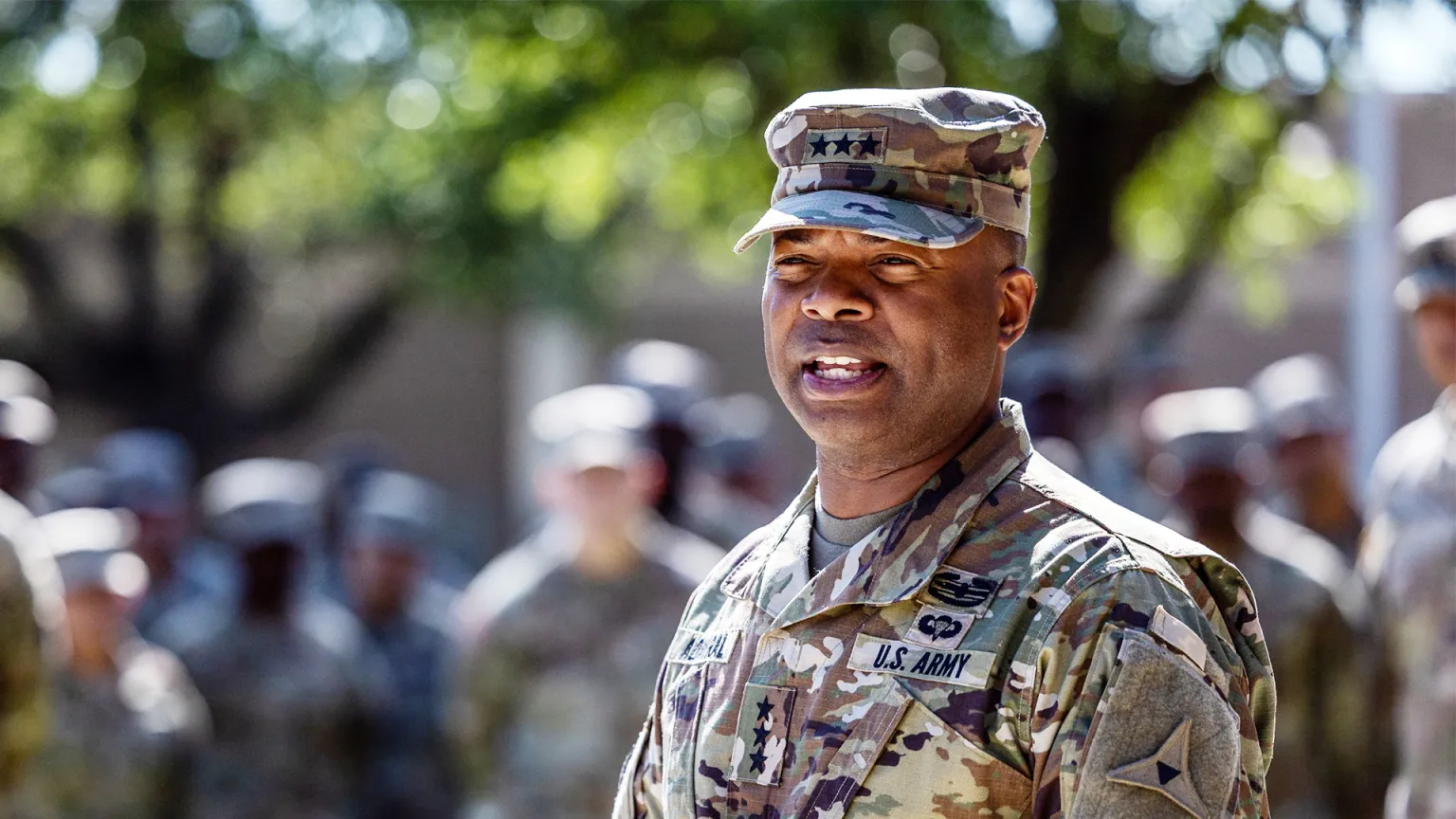
According to his official Army biography, Admiral also served as director of force management in the Office of the Deputy Chief of Staff, G 3 5 7.
That background matters because force management is where strategy meets reality, including troop structure, readiness demands, and the never ending fight over resources.
Donahue’s departure came during a wider round of senior leadership changes under Secretary of War Pete Hegseth.
Hegseth, serving under President Trump’s national security team, has moved aggressively to reshape the top ranks after years of military leadership that many conservatives viewed as too comfortable with political fads and too slow to restore warfighting focus.
In April, Hegseth asked U.S. Army Chief of Staff Gen. Randy George to step down and retire before completing the usual four year term.
That move signaled that the new leadership at the War Department was not interested in sleepwalking through inherited timelines simply because the old Pentagon establishment liked its routines.
Since taking office, Hegseth has removed more than a dozen senior military leaders.
That list includes former Chairman of the Joint Chiefs of Staff Gen. C.Q. Brown and former Chief of Naval Operations Adm. Lisa Franchetti, both prominent figures from the previous era of uniformed leadership.
To the usual Washington crowd, these changes are automatically treated like a crisis.
To many troops, veterans, and Americans outside the Beltway bubble, they look more like long overdue housecleaning after years of questionable priorities and uneven readiness.
Admiral’s nomination now lands in that broader context.
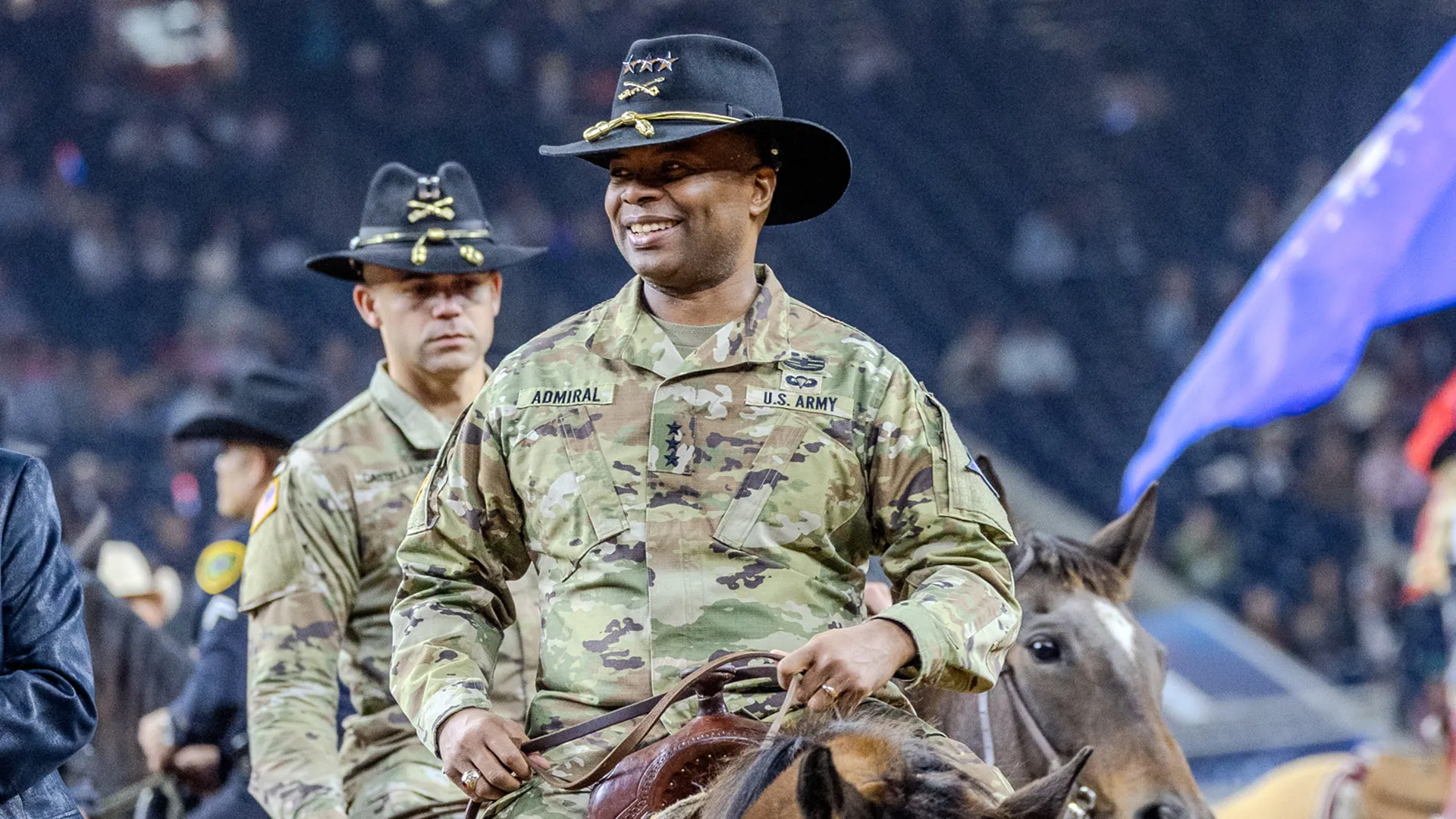
The Army needs credible, experienced commanders in Europe and Africa, especially as NATO manages Russian aggression, instability across Africa, and the constant demand for American leadership in regions where power vacuums do not stay empty for long.
Fort Hood, now again a central part of Admiral’s resume, has long been tied to major combat formations and the operational muscle of the Army.
A commander coming out of III Corps brings firsthand familiarity with heavy forces, deployment cycles, and the kind of large formation command that still matters when serious adversaries start moving armor and artillery.
The Senate confirmation process will determine whether Admiral formally takes the post.
If approved, he will inherit a command that must balance NATO coordination, Army readiness, partner relationships, and the hard reality that Europe is no longer a quiet rear area for American military planning.
The nomination also shows that Hegseth’s War Department is continuing to move quickly on senior personnel decisions.
Whether the Beltway class likes it or not, the message is increasingly clear: the Trump era War Department is putting its own stamp on the chain of command, and the old automatic promotion club is no longer guaranteed a comfortable ride.
For Admiral, the mission ahead would be demanding and politically watched.
For the Army, the question is whether this nomination brings stability to a key theater after Donahue’s sudden departure and helps sharpen American land power where it is needed most.