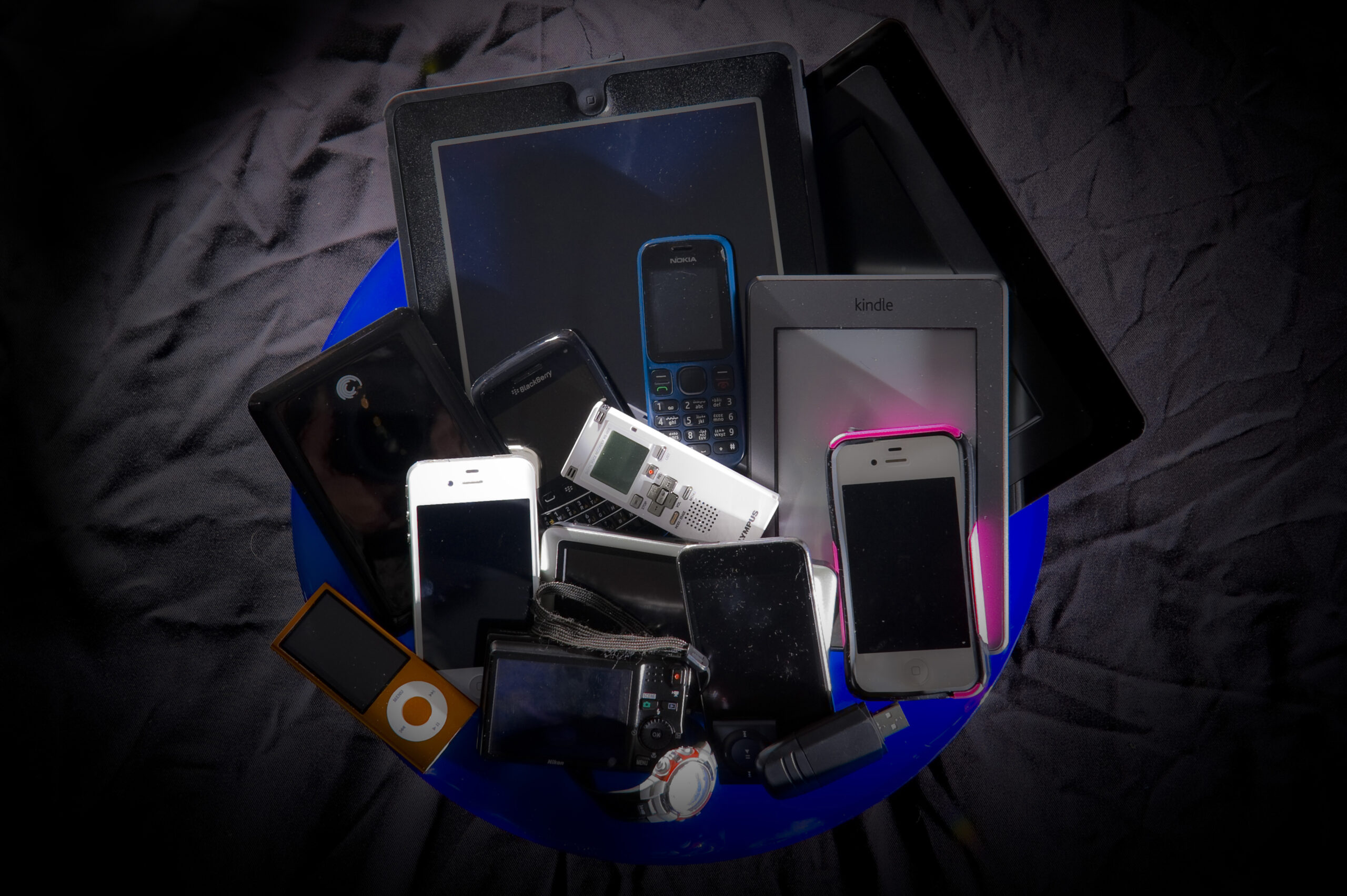
The top U.S. commander for the Middle East has warned American troops that the videos and images they post online could hand Iran a dangerous battlefield advantage, and some deployed personnel may soon be told to give up their cell phones entirely.
Adm. Brad Cooper, head of U.S. Central Command, issued the warning in a July 28 letter obtained by Reuters, telling forces that careless posts can help Tehran determine whether its strikes are working.
“The direct, unavoidable cost of this open-source intelligence could be measured in the lives of American service members and civilian residents in targeted Gulf countries,” Cooper wrote.
His message was blunt, and frankly long overdue in an age when every bored private with a phone can accidentally become a free intelligence asset for the enemy.
Cooper urged troops to “redouble our focus on operational security,” though his memo did not order a specific region wide phone ban.
Still, two sources familiar with the matter told Reuters that troops in Jordan, a frequent target of Iranian strikes, have been told their phones will be confiscated in the coming days.
A third source said phone seizures are under consideration elsewhere in the region because of operational security concerns, though that person did not describe the move as certain.
U.S. Central Command spokesperson Captain Timothy Hawkins downplayed the memo as part of a broader push to tighten battlefield discipline.
“The message is a general reminder to our service members on the importance of maintaining operational security. This is one of many opportunities Admiral Cooper has used to convey operational priorities,” Hawkins said.
The issue is not theoretical. In a video posted online this month, a U.S. service member recorded troops running for shelter during a deadly Iranian attack on Muwaffaq Salti Air Base in Jordan on July 17.
Cooper appeared to reference that incident directly, saying the video had been recorded using Meta smart glasses with a built in camera.
“Video captured from a service member’s Meta glasses was posted on Instagram showing where and how the individual had evacuated to a bunker during an Iranian missile and drone attack,” Cooper wrote.
That kind of footage may look like a quick update for friends or followers, but on a modern battlefield it can become a targeting packet.
Iran, Cooper warned, often cannot easily assess whether its missiles and drones hit anything useful because American forces use electronic jamming and other battlefield tactics to deny the enemy clean information.
“Iran knows the weapons were fired; however, their forces do not know if they missed by 50 meters, hit an empty tarmac, or successfully struck a crowded facility,” he wrote.
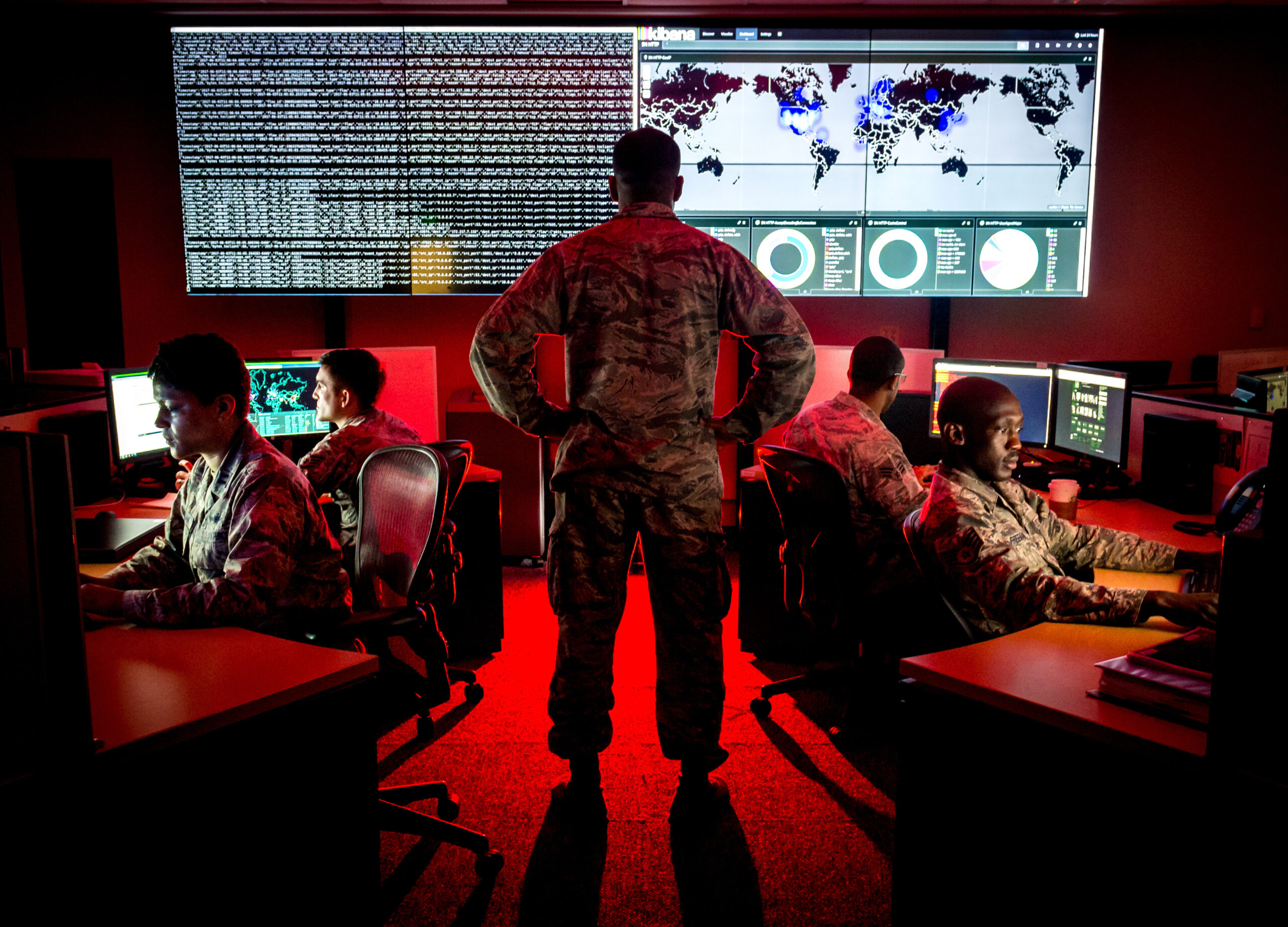
“Detailed lists, descriptions, and analyses of what was hit, openly published by news outlets are essentially performing Iran’s Battle Damage Assessment (BDA) for them, free of charge,” Cooper said.
That is the ugly reality of war in the smartphone age. Tehran fires, waits, then scrapes the internet while Americans online do the regime’s homework.
The conflict with Iran began on Feb. 28, and Reuters reported that 18 U.S. troops have been killed while more than 600 have been wounded.
Those casualties have fed public concern about the war, with only about one in three Americans supporting it, according to the report.
Democratic lawmakers have demanded more information about the conflict, including damage to U.S. infrastructure at bases, such as radar towers, barracks and aircraft hangars.
They have also called for release of a U.S. military investigation into a likely U.S. strike on a girls’ school in Iran on the opening day of the war, which Reuters first reported.
Phone rules already vary widely across the military. Some troops must lock away devices, and special operations forces can face outright bans during sensitive missions.
But broader confiscation would hit families hard because many deployed service members use their phones to reassure spouses, parents and children that they are still alive.
Two sources told Reuters that the possibility has already caused anxiety among family members who have spent months reading Iranian claims about deadly attacks on bases across the Middle East.
For years, U.S. officials have warned that mobile applications, including fitness apps, can expose location data and help hostile powers track American personnel.
Reuters reported in May that commercially available location data harvested from smartphones and other devices has been used to target or surveil U.S. forces.
At the same time, the Pentagon has tightly controlled information about Iranian attack claims and individual incidents involving wounded troops, citing operational security.
Cooper said the reason is simple. Public details about what was damaged and where can help Iran decide whether to fire again.
“Detailed public disclosures can become an immediate green light for Iranian forces to launch a secondary, much more devastating wave of attacks,” he said.
For troops in the region, the message is clear enough. The phone in a pocket may feel like a lifeline home, but in the wrong moment it can become a beacon for the enemy.