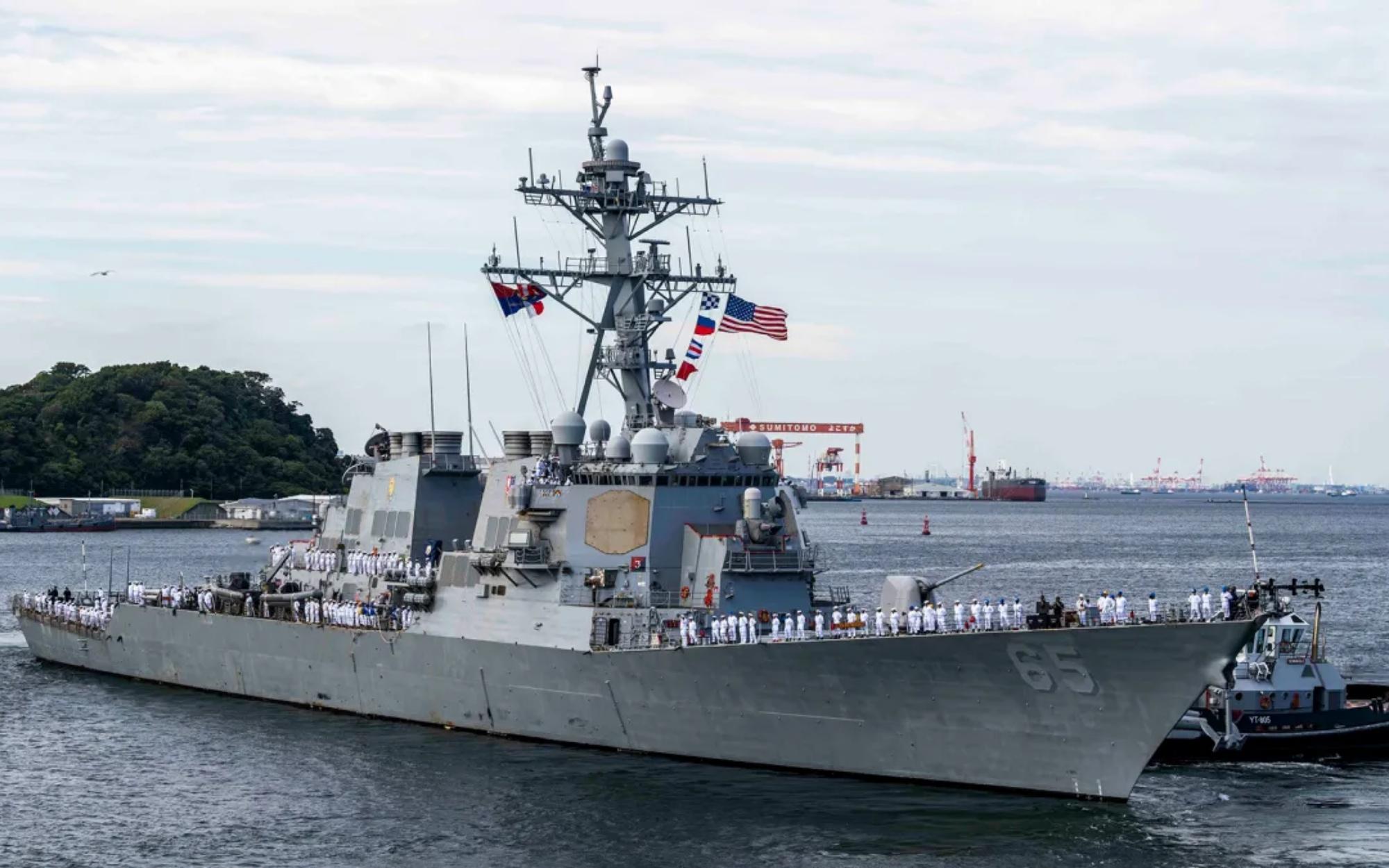
Years of relentless operations, delayed maintenance, manpower shortages and sluggish shipbuilding have left the United States Navy stretched dangerously thin.
The war with Iran did not create those failures, but it exposed them with brutal clarity as sailors absorbed extended deployments, scarce supplies and mounting fatigue.
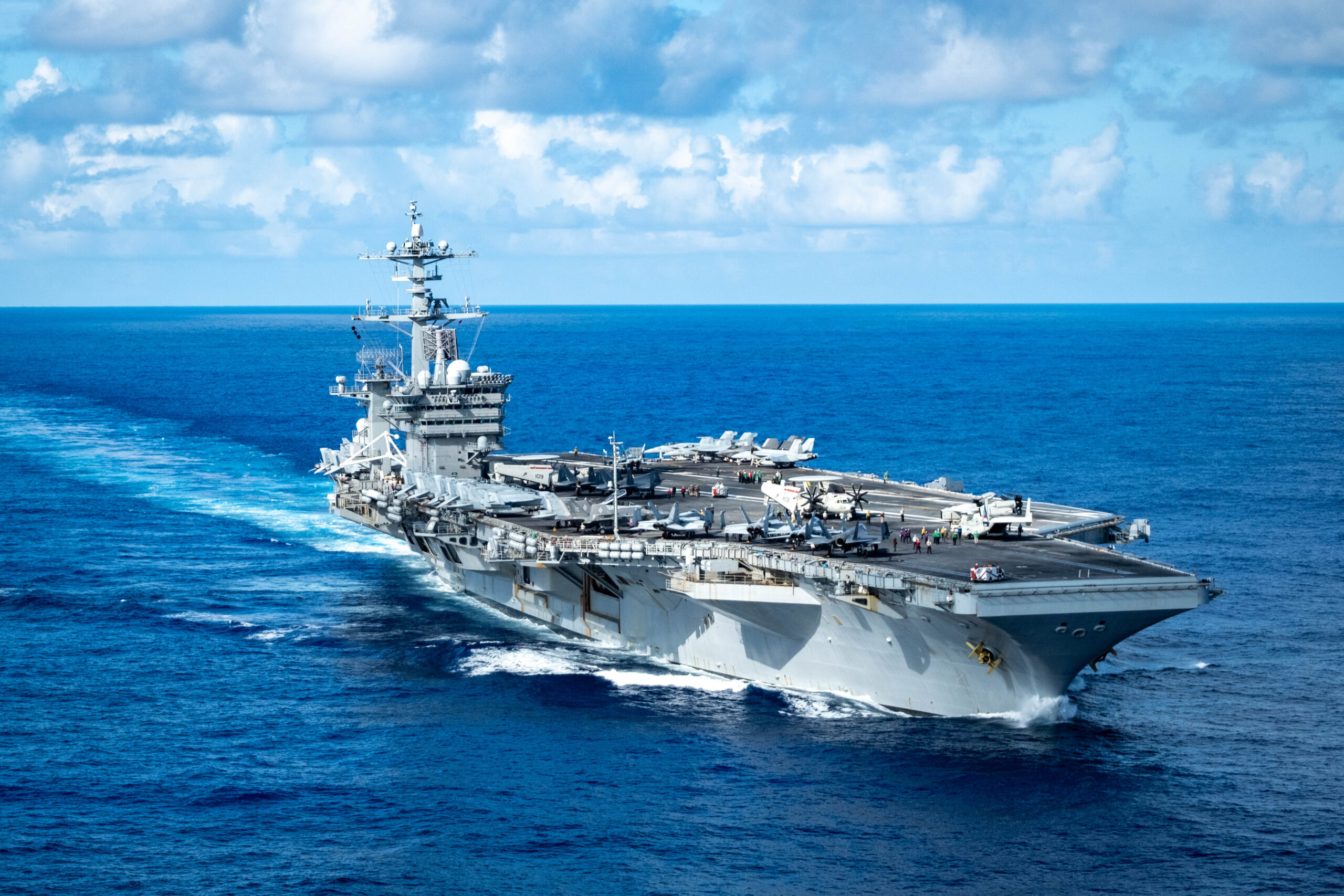
Families of sailors aboard the USS Abraham Lincoln raised alarms after the carrier spent roughly 250 days without a port visit, with reports that at least two sailors attempted to jump overboard.
Asked about the deployment, President Donald Trump said it was “not nearly long enough.”
Chief of Naval Operations Adm. Daryl Caudle rejected claims that Navy leaders were ignoring sailor welfare. “Sailors first is not a slogan, it’s a warfighting imperative,” he said, adding, “The sustained pace of operations in the Middle East has only reinforced that taking care of our sailors and maintaining combat readiness are inseparable.”
The Navy dispatched the USS George Washington from the Indo Pacific to the Middle East, reportedly allowing the Lincoln to begin returning toward San Diego.
That decision temporarily left the western Pacific without an American aircraft carrier even as China continues challenging United States interests and regional allies.
Retired Vice Adm. Fozzie Miller said the equation is straightforward. “We could use more carriers or less operational tempo,” he said.
“It’s one or the other, but we’re a global Navy with global responsibilities, and so if we’re going to fulfill those, we need more ships.”
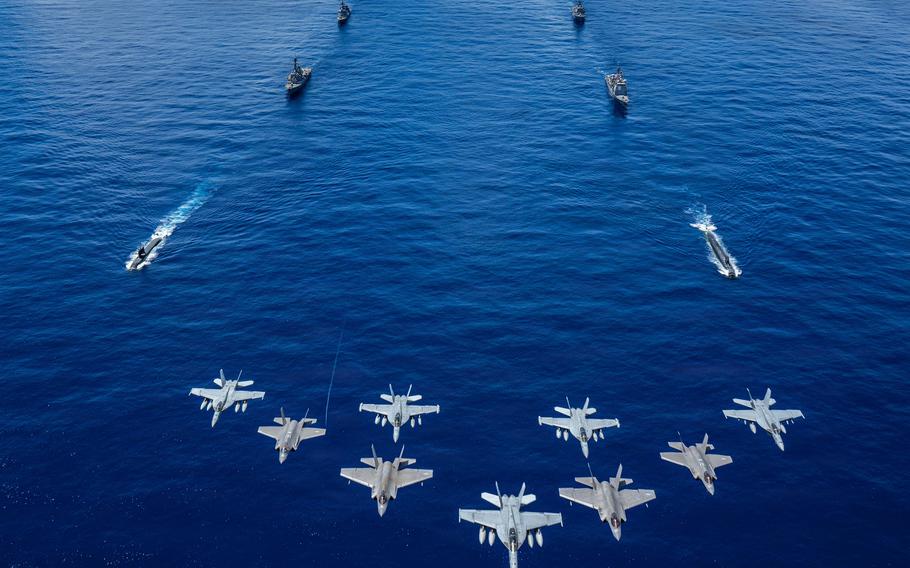
The Navy remains what Rear Adm. Thomas Moore once called “an 11 carrier Navy in a 15 carrier world.” With the USS Nimitz expected to retire after next year, the fleet could soon fall to 10 carriers while the Harry S. Truman, Gerald R. Ford and John C. Stennis remain tied up in maintenance or overhaul work.
“We just don’t have enough aircraft carriers right now in this rotation to sustain all the things we want to do, and I think this is a long standing problem,” retired surface warfare officer Steven Wills said. The Optimized Fleet Response Plan was supposed to provide predictable training, maintenance and deployments, but operational demands repeatedly blew apart that schedule.
Government Accountability Office findings showed Navy ships accumulated more than 33,700 additional maintenance days from fiscal 2014 through 2019. Delayed repairs produced fewer available vessels, reduced training time and forced the remaining ships and crews to carry even heavier burdens.
The Iran conflict added a severe logistics problem after Iranian attacks damaged the Navy hub in Bahrain. A sailor aboard an Independence class littoral combat ship described the situation bluntly: “Logistics was a complete failure the entire time out there, food, supplies, parts.”
Operations shifted toward Diego Garcia, more than 2,000 miles from carrier groups in the Middle East, forcing some food orders to be submitted 30 days ahead. “There’s no excuse for why, if we’re at war, we can’t get an expedited food order,” the sailor said.
Rep. Mike Levin blamed inadequate preparation, saying, “I’ve spoken to a lot of people who’ve been deployed, and you know, the basic problem seems to be that if they were going to use Bahrain as a hub to restock, to get food and to provide rest and all that.” He added, “If that was the idea, well, clearly that didn’t work out. After February, March, the administration should have thought of that.”
Fatigue has become another readiness threat, because machinery is not the only thing that fails under constant strain. “Just like machines, people can break, too,” one carrier sailor said. “They need rest.”
A 2021 GAO review found only 14 percent of surveyed Navy officers received at least seven hours of sleep during a recent deployment, while 67 percent reported five hours or less. By 2023, surface fleet sailors averaged 5.25 hours daily, well below the Navy standard of providing at least 7.5 hours of sleep opportunity.
Food conditions reportedly swung from poor to worse. “It was either undercooked, overcooked or unrecognizable at all,” a sailor said, while former Lincoln reactor operator Parker Moore observed, “These things have been happening on deployments for always. It is bad, but it is always bad.”
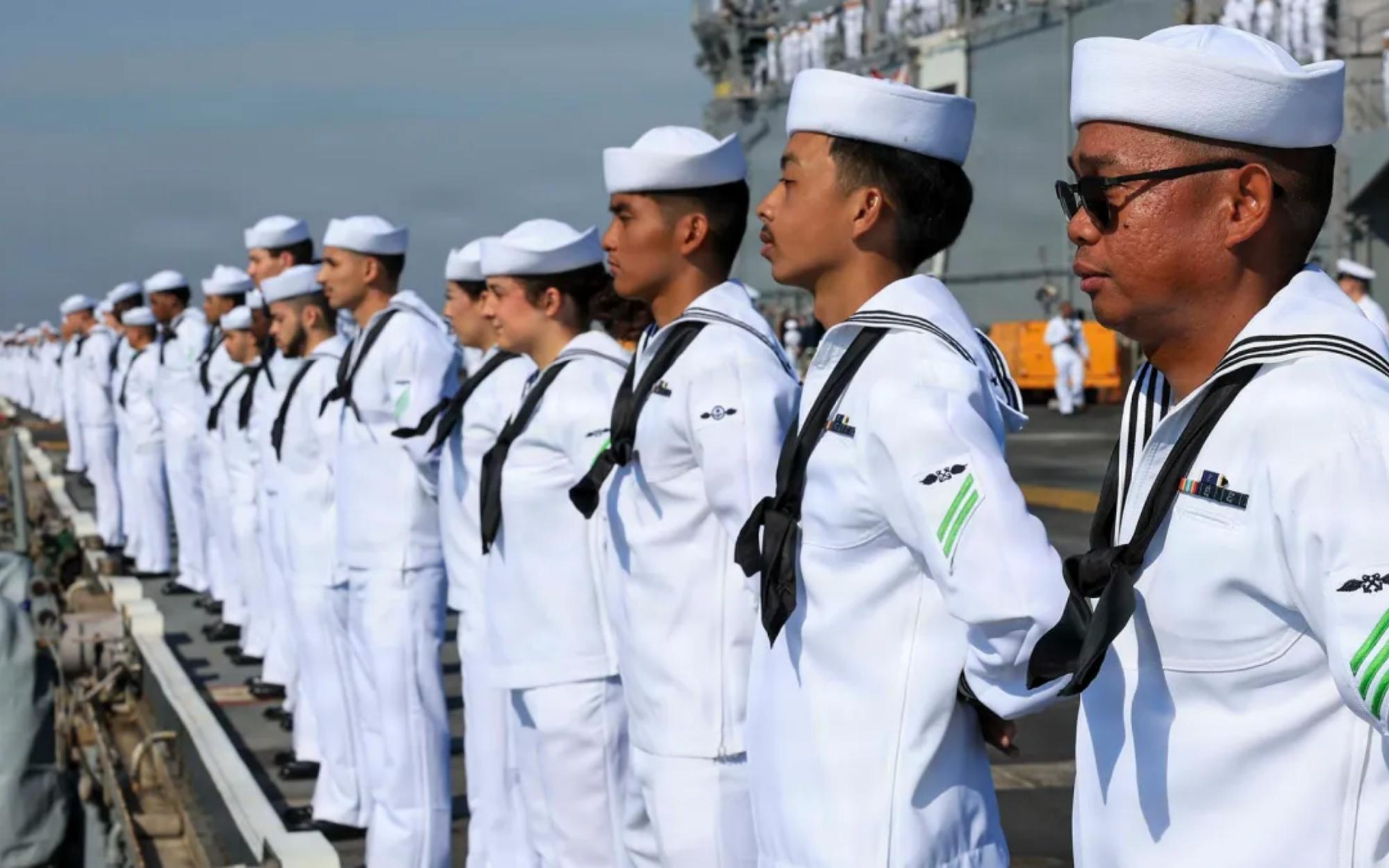
Moore said sailors also feared that seeking mental health care could burden already undermanned teams. “They’re terrified to disappoint the people around them,” he said. “If I don’t do my job, there’s only 30 people who can do it, right? So now there’s only 29 people.”
The Navy said it had not detected an increase in suicidal ideation or attempts aboard Lincoln, although additional counselors were sent to the carrier. Adm. Brad Cooper also said Lincoln had the lowest number of mental health cases among the Navy’s 11 active carriers.
Democrats have demanded more congressional access to operational information while criticizing War Secretary Pete Hegseth for restricting unauthorized communications with Capitol Hill. They also objected when Hegseth declined to elaborate on prior descriptions of Iran’s military as “destroyed” and “made combat ineffective.”
Levin argued that previous wartime administrations communicated more consistently with Congress. “I disagreed wholeheartedly with Iraq, but you think about the steps that he took,” he said of President George W. Bush, adding, “You think about Secretary Rumsfeld, Vice President Cheney, others, their consistent engagement.”
For sailors, the consequences are immediate regardless of Washington’s political theater. After helping enforce the Strait of Hormuz blockade, the littoral combat ship will reportedly face additional downtime because repairs were deferred, leaving its crew with the grim impression: “We’re gonna keep you out here until your ship can’t operate or function anymore.”