Retired Marine Maj. James Capers Jr. survived enemy ambushes, shattered bones, jungle warfare and decades of bureaucratic resistance before finally receiving the Medal of Honor. His long delayed recognition became one of the most frustrating valor award battles in modern American military history.
President Donald Trump ended that injustice at a White House ceremony in June, placing the powder blue ribbon and gold medal around the 88 year old Marine’s neck. “Jim, the nation kept you waiting far too long,” Trump said. “So I say to you, congratulations. You made it.”
Capers became the first Black Marine officer to receive the Medal of Honor, 59 years after his actions near Phu Loc, Vietnam. The award followed nearly two decades of investigations, rejected recommendations, congressional pressure and relentless work by fellow Marines determined to correct the record.
Capers had already established himself as a Force Reconnaissance legend before the battle that defined his case. After serving with the infantry in Lebanon, he joined 1st Force Reconnaissance Company and later volunteered for Vietnam with the newly organized 3rd Force Reconnaissance Company.
In 1965, Capers took command of an all white platoon of 20 Marines. Point man Walter J. Doroski recalled Capers introducing himself with unmistakable authority: “Lead, follow, or get the hell out of the way.”
From August 1966 through April 1967, Capers led repeated patrols deep behind enemy lines. His teams searched ships for mines, rescued isolated Marines under fire, recovered intelligence from a downed B 57 bomber and crossed flooded rivers, mountains, jungles and minefields while evading enemy troops.
Capers received a rare battlefield commission in November 1966, becoming a second lieutenant. He understood that failure would be used against other Black Marines, later explaining, “I had to succeed. … I had to make sure I kept my troops alive.”
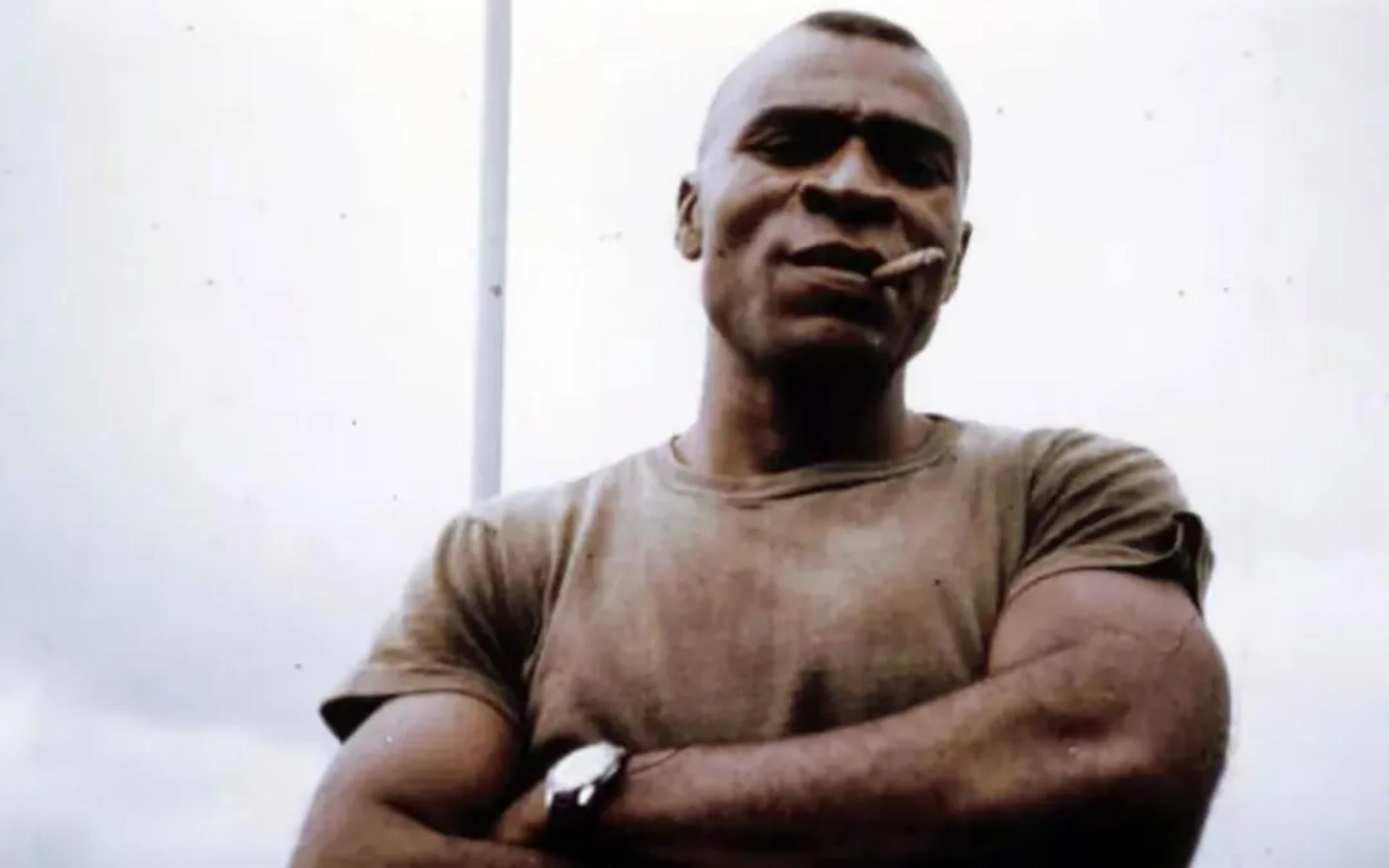
His final patrol began in March 1967, when Capers and his nine man Team Broadminded were ordered to search for a suspected North Vietnamese regimental base near Phu Loc. The exhausted reconnaissance Marines had already endured months of brutal combat, but his core team volunteered to follow him once more.
On April 3, Team Broadminded detected and withdrew from several suspected ambush positions before its war dog, King, sounded an alert. Claymore mines exploded moments later, spraying steel through the patrol as North Vietnamese soldiers opened fire with rifles, machine guns and grenades.
Every member of the team was wounded, King was killed and Capers suffered 14 wounds and a broken right leg. Despite his injuries, Capers continued firing, throwing grenades and directing his Marines as corpsman Billy Ray Smith raced between the wounded.
Capers ordered ammunition redistributed and called mortars dangerously close to his own position, silencing enemy guns. “We’re not going to die on this trail,” he told his men. “We’re going home, and we’re going home like Marines.”
Using his rifle as a cane, Capers limped toward the evacuation zone with blood filling his boots. He refused to board the helicopter until every Marine and King’s body were aboard, then twice attempted to step off the overloaded aircraft so the others could escape.
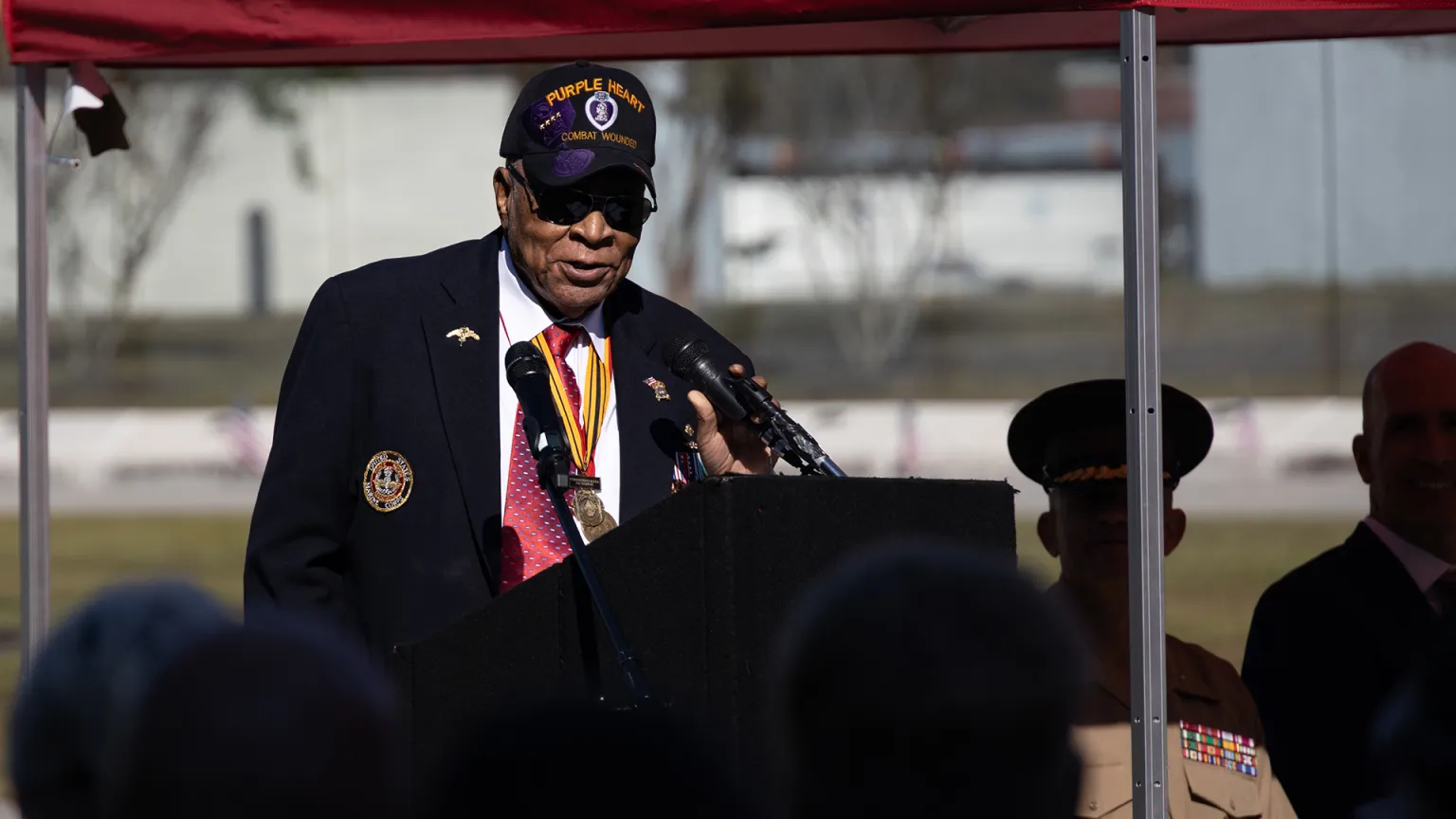
Capers initially believed the ambush represented personal failure, not an act worthy of the nation’s highest military decoration. Yet his Marines knew differently, and later testimony described a leader who consistently placed their survival above his own.
The formal campaign began in 2007, when Maj. Gen. James L. Williams initiated a review of Capers and other members of the so called lost detachment. Missing records, procedural objections and overlapping award dates repeatedly complicated the recommendation, giving the military bureaucracy plenty of paperwork to hide behind.
Capers received the Silver Star in 2010, but officials offered no public explanation for downgrading the Medal of Honor recommendation. Historian Dwight Mears described the awards process as “very mercurial” and “not very transparent,” which is bureaucratic language for a system nobody wanted to fully explain.
The fight continued through lawmakers, veterans, historians and military advocates, even as Capers endured declining health and the deaths of his wife Dottie, his son Gary and close friend James Dixon III. Retired Marine Lt. Col. David Gurfein later organized a renewed campaign built around historical records, congressional action, public pressure and endorsements from senior enlisted leaders.
President Trump signed legislation on March 26 waiving the normal deadline for considering Capers’ Medal of Honor. Secretary of War Pete Hegseth and Veterans Affairs Secretary Doug Collins also helped build support inside the administration after meeting Capers and reviewing his extraordinary record.
At the White House, Trump supported Capers as the elderly Marine rose and stood before the assembled guests. The applause that followed was not merely for a medal, but for a warrior whose country had finally caught up with his courage.
Capers later entered the Pentagon Hall of Heroes and spoke for the Marines who never returned from Vietnam. “This is the greatest country in the world,” he said. “I fought for that flag. I believed in it.”